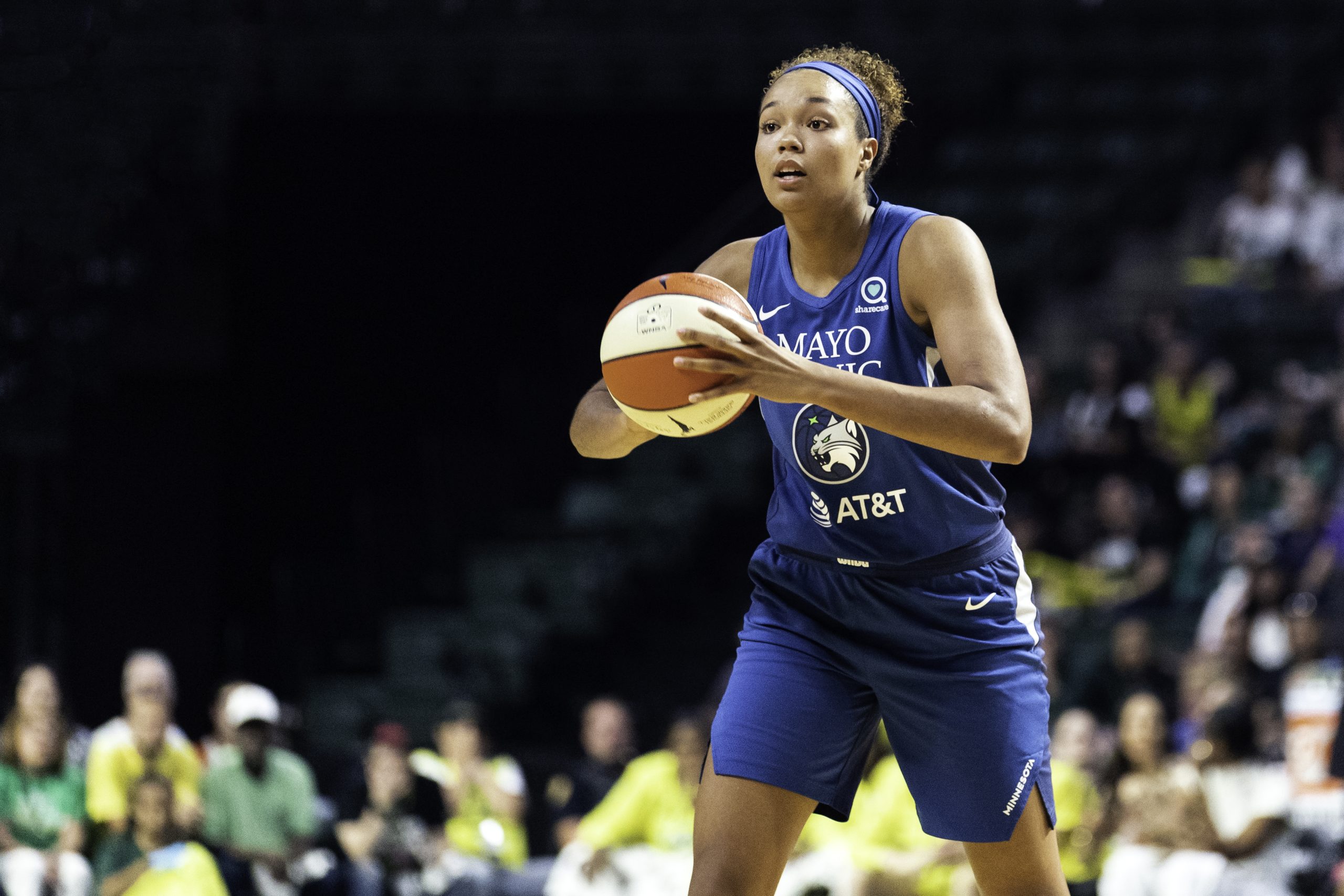
As the WNBA’s audience expands, player accounts of harassment have made the debate about race, fandom and competition more concrete. The central question is whether legitimate basketball criticism can be separated from sweeping racial narratives and abuse.
WNBA players have described racist harassment and threats as a claim that the WNBA has a “Black entitlement” problem circulates in debate about the league. The contrast matters because the players’ accounts involve specific abusive conduct, while the “Black entitlement” claim makes a sweeping judgment about Black athletes and racial dynamics in the WNBA.
The WNBA’s rapid rise in attention has brought bigger conversations around Caitlin Clark, Angel Reese, physical play and fan loyalty. It has also exposed a harder issue: whether a league benefiting from new visibility can protect players when basketball arguments become vehicles for racialized attacks.
Specific abuse, broad racial claims
“Entitlement” is not a neutral term when applied to a racial group. It suggests that people are seeking status, recognition or deference they have not earned. That is a substantial allegation, and it requires evidence tied to identifiable conduct, policies or decisions.
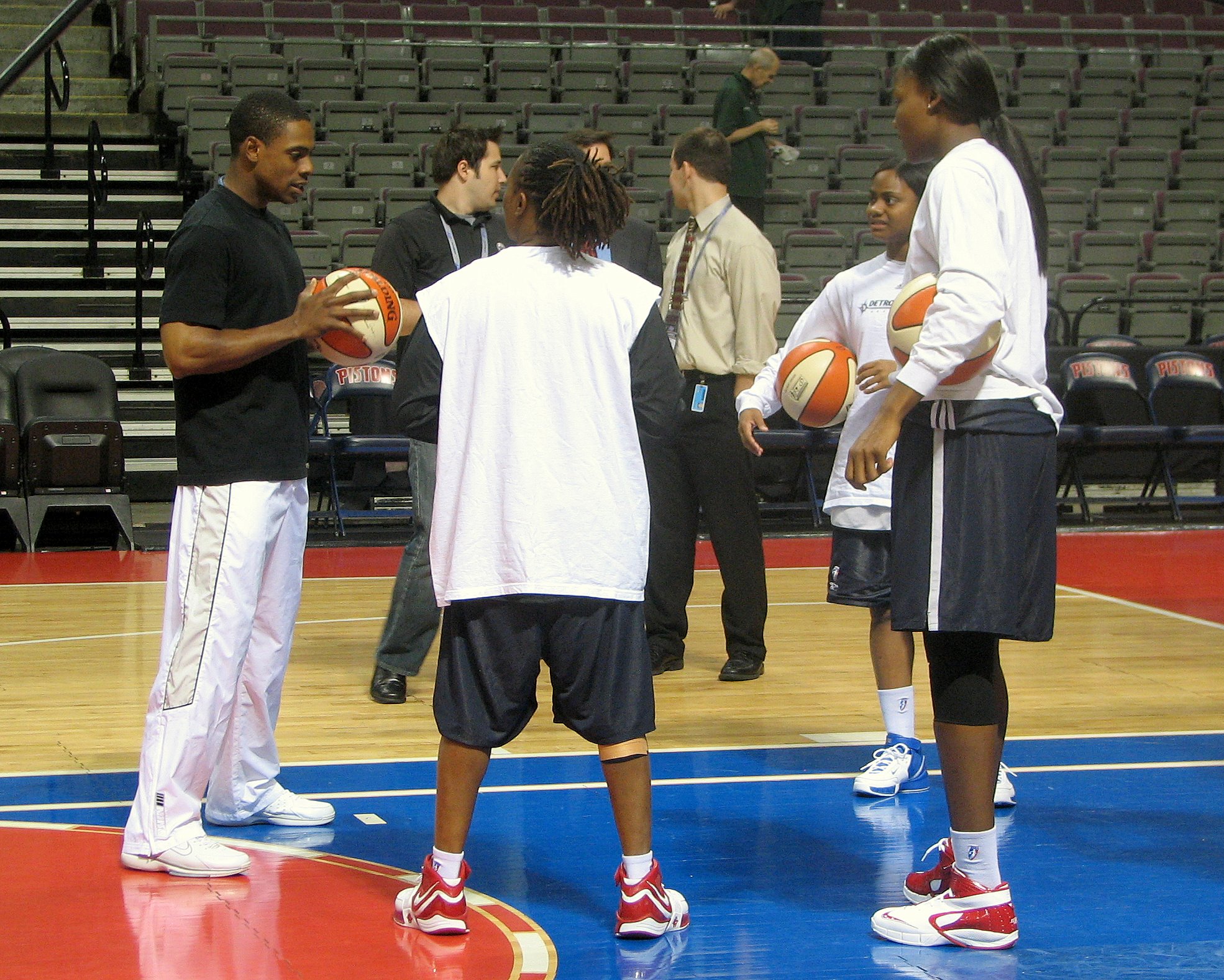
The material behind the “Black entitlement” framing does not establish a leaguewide problem of that kind. It presents a headline, without supporting article text documenting such a pattern. That leaves a large distance between criticizing a particular play, statement or league decision and treating Black WNBA players as a collective problem.
Black women have long made up a substantial share of the WNBA’s player base and have helped shape its competition, culture and public identity. Disagreement over officiating, media coverage, rivalries and league discipline is part of sports. Race is not, by itself, an explanation for every disagreement.
Growth brought a hostile audience
The Athletic, published by The New York Times, reported in 2024 that WNBA players said increased attendance and viewership were accompanied by racist, misogynistic, homophobic and threatening online messages. The reporting came during Clark’s rookie season, when the Indiana Fever star became a major force in the league’s wider growth.
Clark is White, while Reese, then with the Chicago Sky, is Black. Their competition on the court and the distinct fan communities around them repeatedly became fuel for arguments that went far beyond the game.
Players described consequences that were not abstract. Phoenix Mercury center Brittney Griner said fans had directed racist taunts at her and other players. Reese said AI-generated nude images of her had circulated online. Connecticut Sun guard DiJonai Carrington shared a threatening email containing a racist slur after a playoff incident involving Clark.
Those reports do not settle every dispute over the WNBA’s coverage or culture. They do show why reducing the discussion to a generalized charge against Black players misses the conduct that players say has affected their safety, mental health and use of social media.
Routine competition became a proxy
Some fans and commentators interpreted physical play involving Clark as evidence that veteran players were jealous of her popularity or seeking to target her. Players broadly rejected that account, even as ordinary fouls and competitive moments were often magnified into claims about racial hostility.
That dynamic can put every participant under an unusual kind of scrutiny. A hard foul may be evaluated not only as a basketball decision, but as supposed proof of a political or racial conflict. A player’s reaction can be turned into a test of whether the league welcomes new fans.
Clark herself criticized people who used her name to advance divisive agendas, calling it “disappointing” and “unacceptable,” according to The Athletic’s reporting. New York Liberty forward Jonquel Jones similarly said the issue was a fan base turning basketball into “a race war,” rather than Clark herself.
The distinction is important. New viewers and enthusiasm for a star player are not inherently harmful. The problem arises when a player’s popularity is used to demean opponents, teammates or an entire league.
Players sought quicker league action
The WNBA issued a statement condemning online harassment of players. Several players nevertheless said the league should have responded earlier and more forcefully as abusive messages spread.
New York Liberty guard Sabrina Ionescu said the WNBA should have taken a stance before the problem became so deeply embedded. Las Vegas Aces guard Chelsea Gray also said an earlier statement could have offered more protection.
Their concerns went beyond online etiquette. A growing professional league must contend with threats, coordinated harassment, doxxing concerns, manipulated images and pressure on athletes to remain active on social platforms that are also important for sponsorships and visibility.
The WNBA cannot control every post or commentator. It can communicate standards quickly, support players facing threats and avoid marketing choices that amplify inflammatory storylines at the expense of the sport itself.
Debate needs a fair target
There is room for scrutiny of how the WNBA manages rivalries, officiating disputes, media access, fan behavior and discipline. It is also fair to examine whether the league has responded consistently when players report abuse.
What remains unclear is whether formal league statements can change the behavior of trolls, or whether social platforms will reliably address threats and racist material. The available reporting also does not resolve every fan argument about favoritism, physicality or media attention.
But those unresolved questions are different from labeling a racial group as entitled. The available accounts point to identifiable behavior: racist attacks, threats, harassment and manipulated sexualized images. Keeping attention on those actions offers a more useful test of the WNBA’s growth than assigning a collective motive to Black players.
The test of a bigger WNBA
The league’s expanding audience has created opportunity, sharper competition and more public attention. It has also created a responsibility for the WNBA, media figures and fans to distinguish tough sports debate from conduct that makes players targets.
A healthier conversation does not require everyone to agree about stars, fouls or league decisions. It does require criticism to have a clear target and abuse to be recognized as more than the cost of a successful league being watched more closely.
Leave a Reply