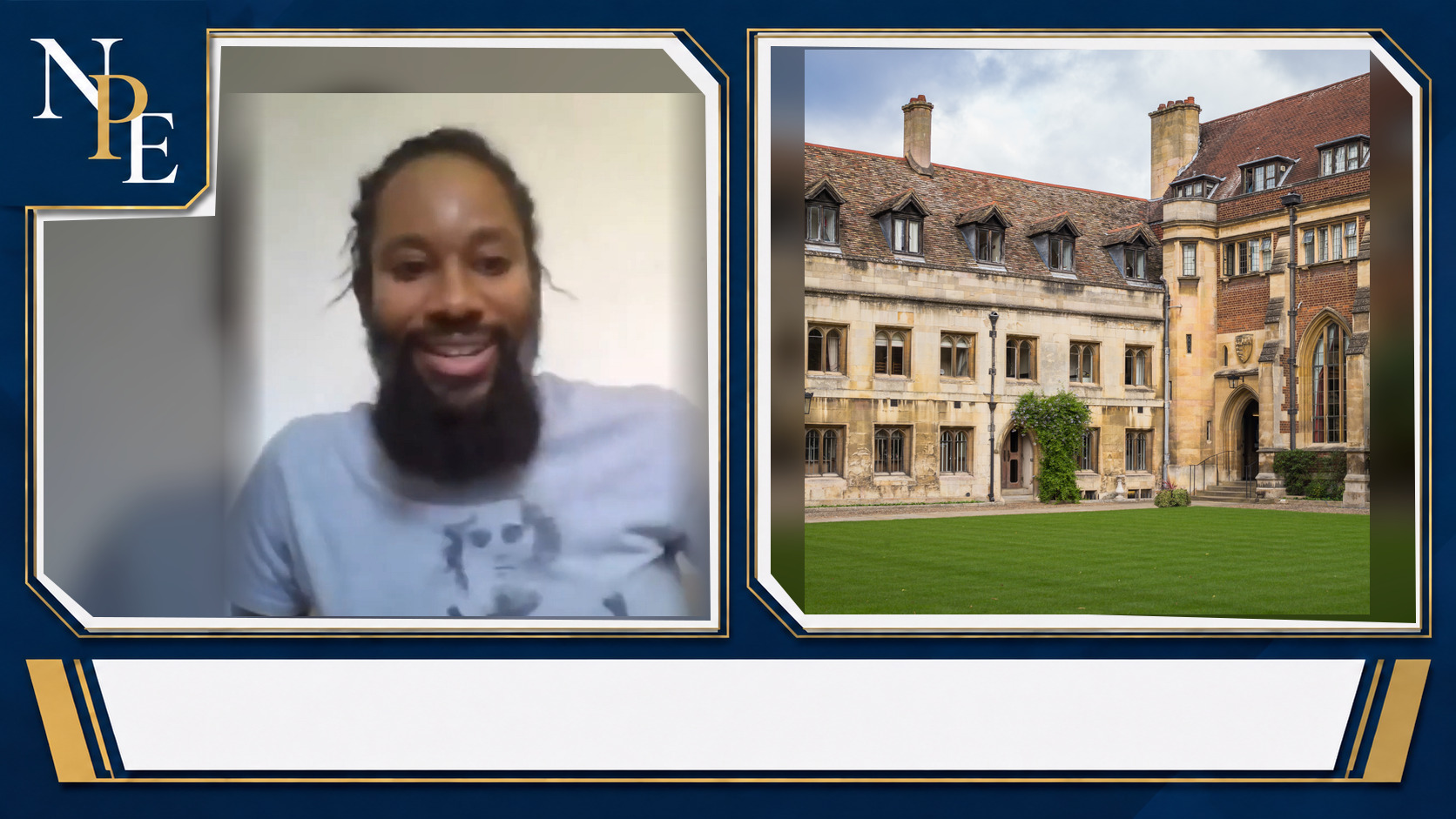
Arday denied being a liar and did not acknowledge wrongdoing in his resignation letter. As supporters and critics offer sharply different views, Cambridge faces questions about how it handles concerns around prominent scholars.
Jason Arday’s departure from the University of Cambridge has placed the institution’s appointments process and response to academic concerns in the spotlight. He stepped down amid accusations that he plagiarized other scholars and embellished elements of his personal story.
The allegations have produced competing reactions: some academics say there are serious questions of academic propriety to address, while others have warned that the public response has become a damaging campaign against a vulnerable autistic scholar. No formal investigation had found Arday guilty of plagiarism, according to reporting cited by the Guardian.
Supporters and critics frame the case differently
The BBC reported that more than 12,000 people, including Green Party leader Zack Polanski, at least five Labour MPs and some Cambridge academics, signed a Good Law Project petition supporting Arday.
Kehinde Andrews, a professor of black studies at Birmingham City University, described Arday as the target of a “smear campaign” that was “as predictable as it is baseless,” the BBC reported. Alan Lester, a University of Sussex geography professor, called the matter a “non-story.”
Other academics took a different view. John Preston, an emeritus professor of sociology at the University of Essex, told the BBC that “there is a case to answer here,” while arguing that mistakes should be identified, corrected and addressed.
Those contrasting responses show why the case cannot be reduced to a single question. The concerns about Arday’s scholarship remain distinct from arguments over the tone, scale and consequences of public commentary about him.
What Arday said when he resigned
Arday, a British scholar who held a professorship at Cambridge, resigned as his memoir, Great and Unfortunate Things, was due to go on sale shortly afterward, The New York Times reported.
In the resignation letter described by the Times, Arday did not admit wrongdoing. He said that relentless accusations, speculation and public commentary had taken a profound toll on him and those close to him.
He has admitted “mistakes,” according to the Guardian, but has said he was falsely portrayed as a liar and fantasist. Reporting does not establish the wider personal accusations made in hostile commentary, including the characterization of him as a “mythomaniac.”
That leaves an important distinction in place: an accusation is not the same as a finding, and a resignation does not by itself resolve every claim made during a public controversy.
Academic standards remain at the center
Cambridge told the BBC that it takes allegations of academic misconduct “incredibly seriously.” Plagiarism concerns require scrutiny because attribution and accurate credit are central to scholarly work.
But error, correction, plagiarism and misconduct are not interchangeable categories. A mistake can require correction without establishing an intention to deceive; conversely, compassion for someone under pressure does not remove the need to examine credible allegations.
Simon Baron-Cohen, a cognitive neuroscientist and fellow at Trinity College, Cambridge, made both points in comments reported by the BBC. He said plagiarism should be investigated to protect academic standards, while also warning of what he called relentless bullying of a vulnerable autistic man.
For readers trying to assess the dispute, the relevant question is not whether scrutiny is appropriate. It is whether the evidence, procedures and language used to assess claims are sufficiently precise to distinguish proven facts from broader judgments about a person.
A memoir and scholarly claims are separate issues
Arday’s memoir traces his childhood, disability, educational difficulties and later academic rise. In a preview cited by the Times, he wrote that he was nonverbal until shortly before his 12th birthday and could not read or write until age 18.
Questions have also been raised about claimed sporting achievements, charity work and some abuse he says he received, the Guardian reported. Personal narratives may attract public attention, but they should not automatically be treated as evidence about academic misconduct.
A memoir is personal testimony, while plagiarism allegations concern scholarly practice. The subjects can become entangled in public debate, yet neither should be assumed to prove the other.
The Guardian reported that Black academics said the affair had had a chilling effect on their peers and had prompted a rightwing backlash against Black progress in academia and public life. One academic told the newspaper that mistakes by a Black person could be treated collectively, rather than as an individual matter.
Cambridge’s wider institutional test
The Financial Times reported that Cambridge is to review its appointments process after the Arday affair. The university’s challenge extends beyond any individual case: high-profile appointments bring responsibility to assess credentials carefully and to explain, where possible, how concerns are handled.
Universities must balance employment obligations, privacy and research-integrity procedures against public demands for clarity. Limited disclosure can leave outsiders unable to see what an institution has examined, even when there may be legal or ethical limits on what it can say.
A credible response to academic concerns depends on clear standards, careful review and proportionate communication. It also requires avoiding language that prejudges an outcome or turns unresolved claims into a judgment on someone’s entire life.
Arday’s departure has therefore left Cambridge facing two related but separate pressures: maintaining confidence in its academic standards and demonstrating that scrutiny of those standards can be conducted without abandoning fairness.
Leave a Reply