
The Justice Department’s use of a special grand jury could shape how major and contentious cases are examined in the nation’s capital. What it investigates, and whether it produces a public report, remain unclear.
Jeanine Pirro convened a special grand jury in Washington, D.C., on August 12, 2026, an unusual Justice Department move that could be used to examine a single case or related cases. Unlike a typical grand jury, this special grand jury can issue a report after its investigation, making Pirro’s decision significant even though officials have not publicly identified the matter it will pursue.
The development is drawing attention because the structure of an investigation can matter nearly as much as its eventual findings. A special grand jury may offer prosecutors a focused forum for complex or controversial matters, but it does not itself reveal who is under scrutiny or establish wrongdoing.
What the Justice Department did
The Justice Department has convened the special grand jury in Washington, according to a Washington Post report published August 12. Pirro is the U.S. attorney for the District of Columbia, placing her office at the center of federal prosecutions in the nation’s capital.
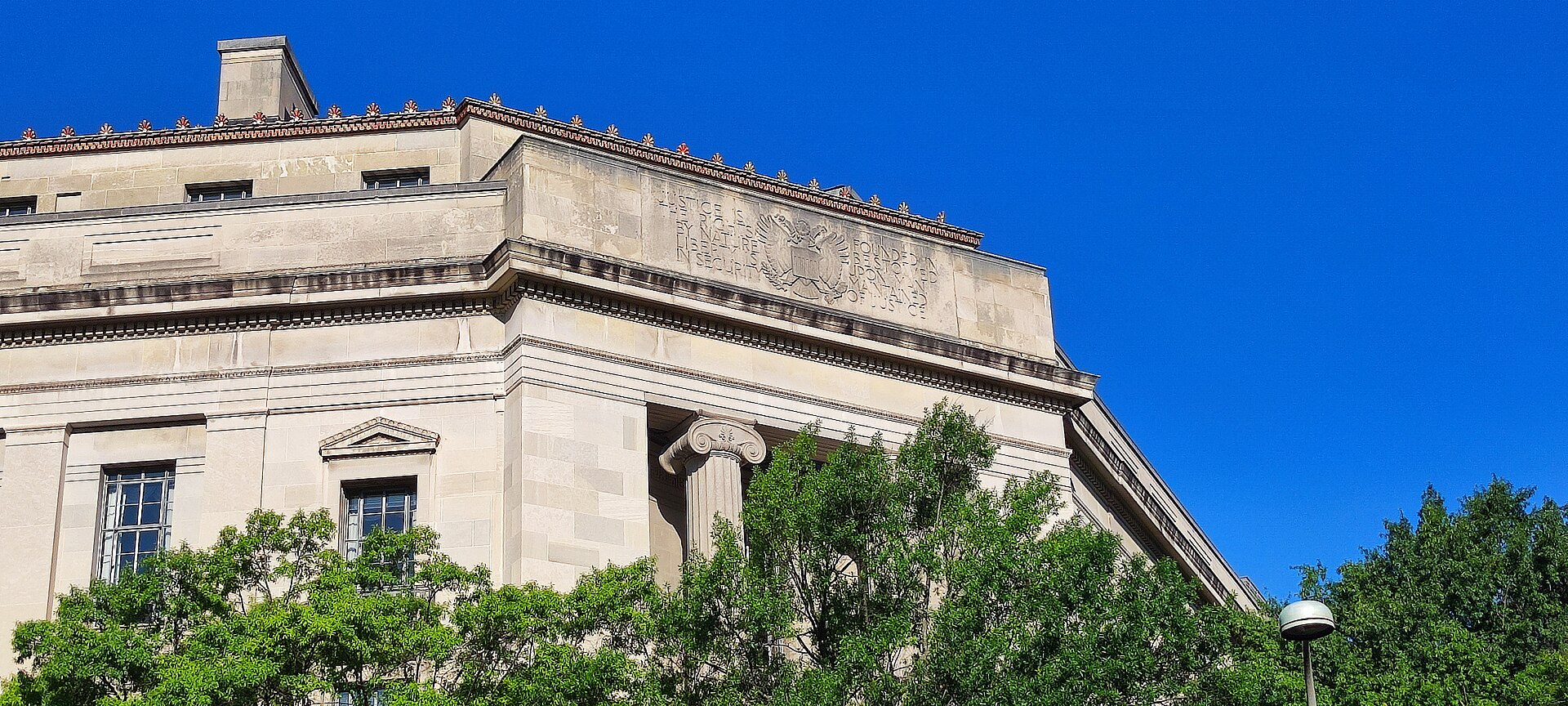
The report described the panel as a rare legal body and said officials believe it could create a path for federal prosecutors to investigate some of Washington’s biggest and most controversial cases. That is a notable description, but it leaves critical details unresolved: no specific case, target, suspected offense or timetable was identified in the available report.
That gap matters. The announcement concerns an investigative mechanism, not an accusation against a named person or organization. Readers should be cautious about treating the grand jury’s creation as proof that charges are imminent or that any particular investigation has been launched.
Why this grand jury is different
The distinction in the report is straightforward but consequential. Typical grand juries are widely associated with confidential charging decisions. The special grand jury described here is designed to focus on one case or a set of related cases and can issue a report when its work is done.
A report can give an investigation a different public dimension. It may organize facts, describe what investigators examined and frame conclusions reached by the panel, depending on the rules governing its work and any court decisions about disclosure. Whether a report from this panel would be released publicly is not clear from the information available.
Its focused mandate is also important. Rather than operating as a broad, routine grand-jury process, a special panel can be assembled around a defined investigative problem. That can concentrate attention and resources, while also raising the stakes around how clearly prosecutors explain the purpose and limits of the inquiry.
A procedural choice with political weight
Washington prosecutions often unfold in an intensely political environment, especially when potential matters touch public officials, federal agencies or disputes with national consequences. The Post’s description of potentially “biggest and most controversial” cases helps explain why the decision is attracting scrutiny before the panel’s subject has been disclosed.
Supporters of a focused special grand jury could see it as a way to give complicated matters sustained attention and a defined investigative process. Critics may view the unusual step more skeptically, particularly if details about the panel’s assignment remain limited.
Neither reaction answers the central factual question: what exactly is the grand jury investigating? Until that is made public through official statements, court records or other reliable reporting, claims about its intended target or political purpose would be speculation.
What a report could change
The possibility of a final report is the feature that most separates this development from the public’s usual image of a grand jury. A report, if issued and made available, could provide a more complete account of the panel’s work than a bare announcement that an investigation occurred.
It could also become a flashpoint. Any document involving politically sensitive or high-profile matters would likely be contested for what it includes, what it omits and whether its conclusions support further legal action. A report is not the same thing as a criminal conviction, and its existence would not by itself determine anyone’s legal liability.
There is also no indication yet that the special grand jury will produce a report on a particular schedule. Investigations can develop unevenly, and disclosure can be shaped by legal rules, secrecy requirements and decisions by courts or prosecutors.
What remains unknown
The confirmed fact is narrow: a special grand jury has been convened in Washington under a Justice Department process associated with Pirro’s office. The Post reported that the body can concentrate on a single case or related cases and issue a report after investigating.
Unanswered questions include the panel’s precise mandate, the matters it may review, the witnesses or records it may seek, how long it may operate and whether any eventual report would be public. The available reporting also does not establish that criminal charges will result.
For now, the most meaningful takeaway is procedural. Pirro’s use of a special grand jury signals a potentially more focused and consequential investigative route in Washington, but the significance of that route will depend on facts the Justice Department has not yet publicly supplied.
Why the next disclosure matters
The next meaningful development is likely to be an official statement, a court filing or credible reporting that identifies the scope of the grand jury’s work. That information would help distinguish a broad institutional move from an investigation tied to a particular event or set of actors.
Until then, the rare nature of the panel is the story—not a presumed outcome. The special grand jury gives prosecutors a tool that can examine related matters in depth and potentially leave behind a report, but its creation should be understood as the beginning of a process, not the end of one.
Leave a Reply