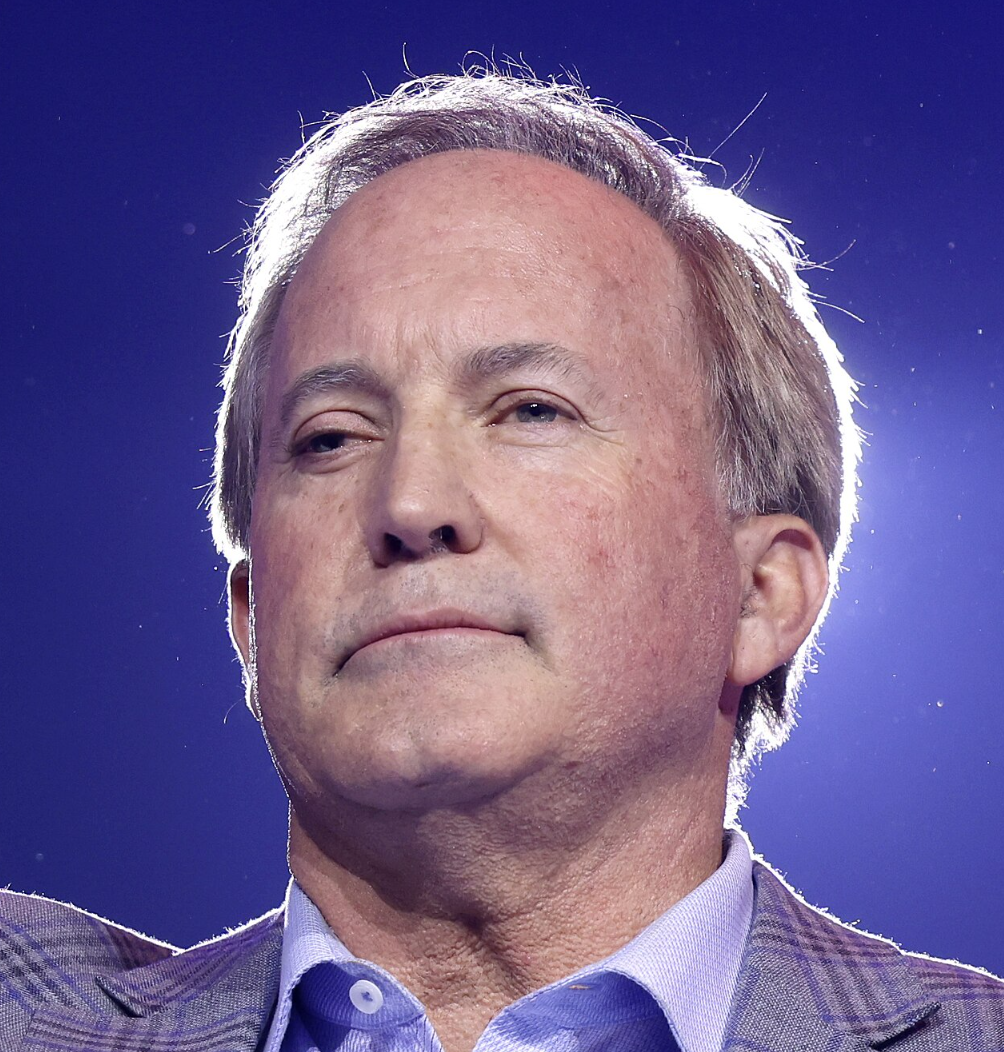
Ken Paxton’s joke about James Talarico’s faith was meant to sharpen a Texas Senate rivalry over energy and values. Instead, a heckler turned the moment into a test of Paxton’s own public credibility.
Ken Paxton challenged James Talarico’s Christian faith at a San Antonio rally, mocking Talarico’s faith-based position on fossil fuels and climate policy. A heckler immediately rebuked Paxton by invoking his personal record, shifting a clash over oil, gas and Christianity into a politically awkward exchange for the Texas attorney general and Senate rival.
The episode did not settle the larger argument over faith or energy in Texas. It did show how quickly a candidate’s attempt to question an opponent’s religious consistency can bring attention back to his own character and public controversies.
Faith became the rally’s main issue
According to reporting by LGBTQ Nation cited in the available account, Paxton told the San Antonio audience that Talarico had said a person could not be Christian and support the oil and gas industry. Paxton then joked about finding that idea in Leviticus, drawing laughter from people at the rally.
The remark placed a theological frame around an argument that is also about climate policy, a major Texas industry and the role of government. It presented Talarico’s position as an effort to use Christianity to condemn oil-and-gas supporters.
Talarico, a Democratic state representative and Paxton’s Senate rival, has publicly argued something narrower: that caring for the Earth and limiting harm from greenhouse-gas emissions are Christian responsibilities. That is an environmental-stewardship argument, rather than a stated claim that all supporters of oil and gas fall outside Christianity.
One shout redirected the exchange
As Paxton moved on, a person in the crowd shouted, “You cheated on your wife!” Video and accounts cited by LGBTQ Nation indicate that the audience groaned, began chanting “USA,” and that the heckler was escorted from the venue.
The shout did not establish a new fact about Paxton’s private life. It drew on allegations and a personal controversy that had already been public, and broader claims about his private life have not all been adjudicated in court.
Still, the timing changed the political meaning of the moment. Paxton had just used biblical authority and Christian conduct as part of his criticism of Talarico. The interruption turned those same standards toward Paxton, making his personal record—not his joke—the center of attention.
The divorce filing remains relevant
In July 2025, Paxton’s wife, Angela Paxton, said she had filed for divorce after 38 years of marriage. In her public statement, she said she was filing on “biblical grounds,” referred to recent discoveries and described marriage as a sacred covenant.
Ken Paxton responded at the time by asking for prayers and privacy. The divorce remains unresolved publicly, and Paxton is still married.
Those documented facts should be kept separate from unadjudicated claims about Paxton’s private life. Yet the filing and Angela Paxton’s statement help explain why a crowd member could so quickly redirect a dispute about Christian values into a discussion of the attorney general’s own conduct.
For a politician who has built support among socially conservative voters, personal conduct, family and religious identity are not side issues. They are part of the standard by which supporters and critics may judge political arguments made in the language of faith.
Two competing views of Christianity
The exchange reflects an unusual feature of this Texas Senate contest: both sides are willing to speak directly about Christianity, but they draw sharply different conclusions from it.
Paxton’s message fits a political landscape in which Republicans have long held an advantage among many religious voters and where oil and gas carry deep economic, cultural and political significance. Supporters may see his Leviticus line as a fair challenge to what they regard as selective religious rhetoric from Talarico.
Talarico is taking a different approach. Rather than avoiding faith language while advancing positions associated with the Democratic Party’s progressive wing, he argues that Christianity can support environmental protection, economic fairness and a more inclusive politics.
Supporters of Talarico may therefore see Paxton’s description as a distortion that turns an argument about stewardship into a test of whether someone belongs within Christianity. The San Antonio exchange did not resolve that disagreement, but it exposed how easily it can become personal.
Energy policy risks getting flattened
Texas’ dependence on oil and gas gives the dispute real stakes beyond a rally line. The industry is central to the state’s economy, employment base and political identity, while debates over climate risks, pollution and the speed of an energy transition remain active.
Those are complicated policy questions. A joke about Leviticus is simpler, more emotionally immediate and easier to circulate than a detailed debate over emissions, jobs or the theological case for environmental stewardship.
The heckler’s accusation was even more direct. That is the risk of a political debate built around moral credibility: a candidate may gain attention by challenging an opponent’s consistency, only to invite immediate examination of his own.
What the rally moment does not answer
It remains unclear whether Paxton will address the heckler’s accusation directly or whether his campaign will treat the disruption as a passing rally incident. The available report focused on the event itself and did not include a subsequent response from Paxton or Talarico.
It is also unclear how far the clip will travel beyond politically engaged audiences or whether it will change any votes. Viral moments can reinforce views already held by supporters and opponents without substantially changing an election.
But faith, energy and personal character are all likely to remain recurring themes in the contest. In San Antonio, a short attempt to challenge Talarico’s Christianity showed the political cost of making religious credibility the measure of an opponent: the same measure can rapidly be applied to the candidate making the attack.
Leave a Reply