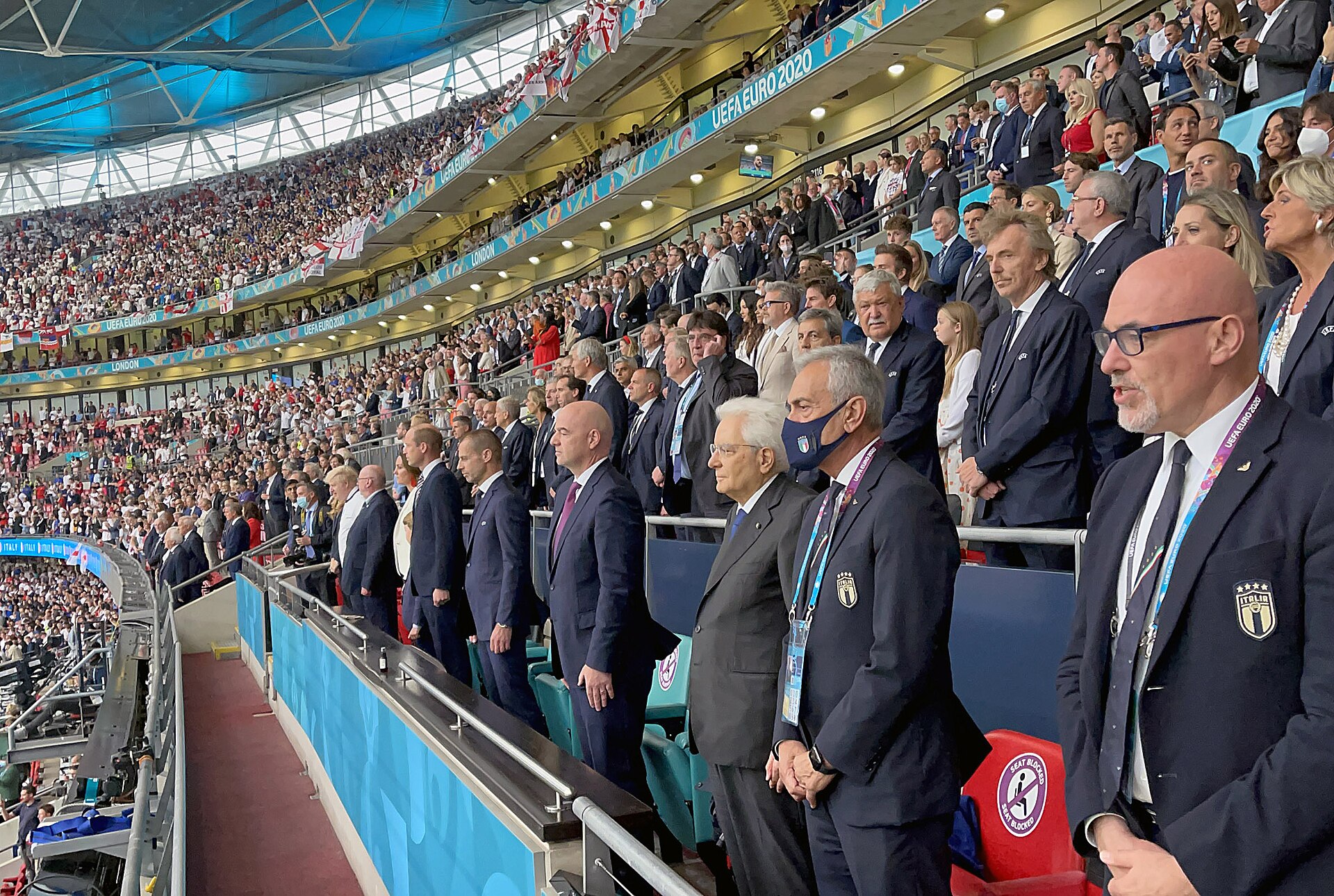
The collapsed proposal exposed a rare public rupture between FIFA’s president and powerful football confederations. Now the question is whether scrapping the plan is enough to repair the damage.
UEFA has lost confidence in Gianni Infantino’s FIFA leadership, and FIFA has scrapped a plan to sell stakes in the World Cup to private investors after a backlash from football’s most powerful governing bodies. The World Cup sell-off scrapped this week matters because it turned a funding proposal into a direct challenge to Infantino’s authority.
The abandoned plan, known as FIFA Forward Enterprise, would have sold a significant stake in commercial rights tied to the men’s and women’s World Cups and the Club World Cup. Instead, the revolt exposed how far relations have deteriorated between FIFA, UEFA and other football governing bodies.
The plan that triggered revolt
At the center of the dispute was a proposal to bring private capital into FIFA’s most valuable properties. According to The Guardian, the plan was designed to raise hundreds of millions of dollars by selling a stake in commercial rights linked to FIFA’s biggest tournaments.
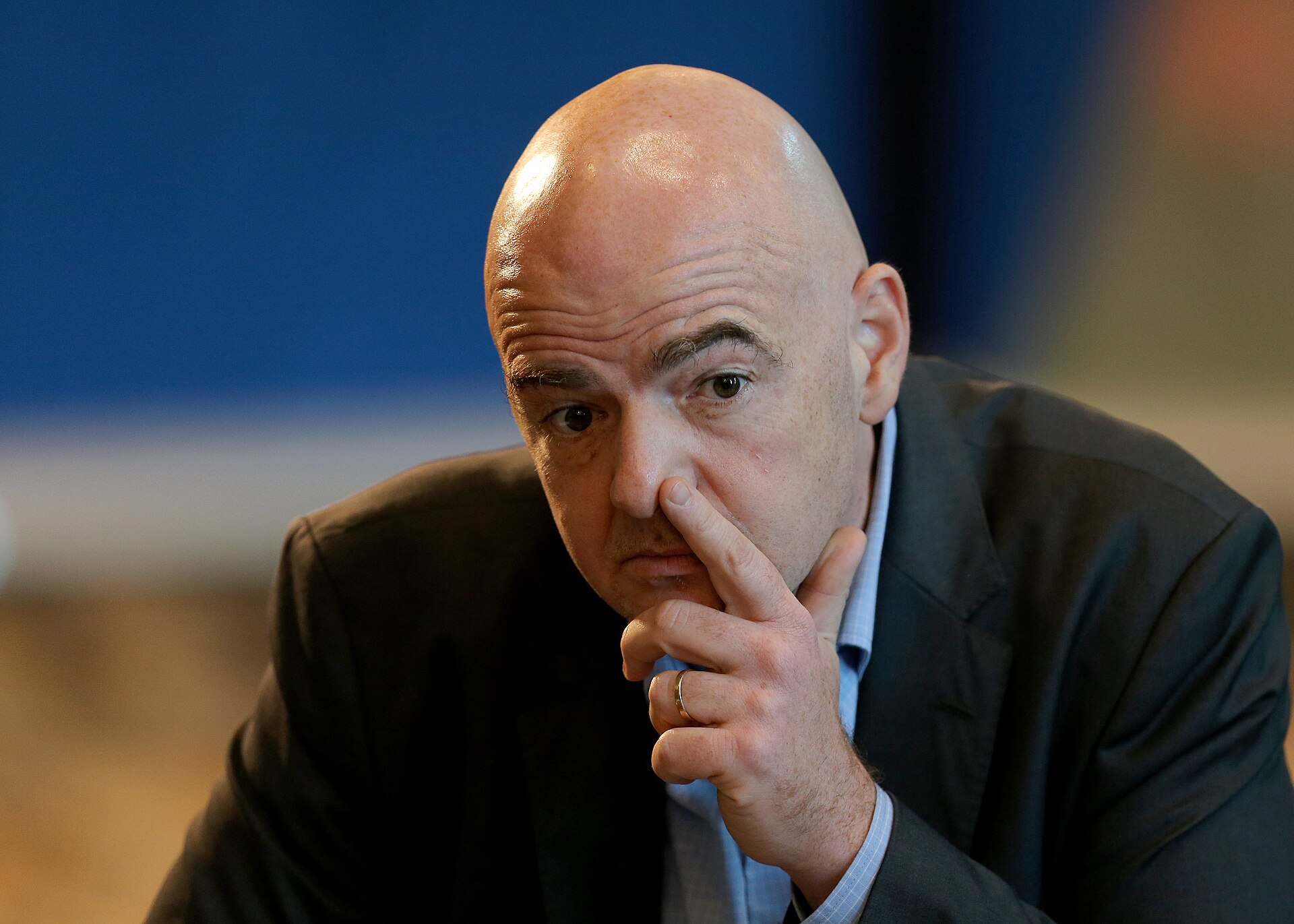
The pitch was framed around growth and redistribution. FIFA Forward Enterprise was said to promise that more than $10 billion would be spread back among FIFA’s 211 member associations, with participating associations offered an optional $20 million.
That is the kind of money that can carry real weight in global football politics. For smaller federations, the promise of extra funding can mean better facilities, youth programs, coaching, travel and administration.
But the proposed trade-off was explosive: investors would gain access to commercial upside from the World Cup, a tournament many national associations see not merely as a revenue machine, but as the core asset of the global game.
Why UEFA pushed back
UEFA’s opposition was not a narrow complaint about paperwork. The European governing body reportedly threatened a boycott of future FIFA tournaments if the plan was not shelved, a move that raised the stakes from internal dispute to institutional crisis.
European football associations were reported to have agreed on a boycott position at an emergency meeting. That gave UEFA’s objection sharper force: this was not just frustration from a few officials, but a coordinated challenge from a bloc that supplies many of the world’s richest clubs, biggest national teams and most watched players.
The phrase that UEFA had “lost confidence” in Infantino is significant because it goes beyond disagreement with a single proposal. It suggests a breakdown of trust in how the FIFA president is using power, managing consultation and balancing commercial ambition against football governance.
For FIFA, that is dangerous territory. Presidents can survive unpopular ideas. They have a harder time surviving when major confederations start questioning their mandate to lead.
Infantino’s climbdown was blunt
Infantino’s statement made clear the proposal would not proceed. He said that, after listening to views, the project had “created divisions” that were no longer in the interest of the original objective.
He also tried to reset the tone, saying FIFA’s purpose was to “unite and improve” and that he intended to bring interested parties back together in the coming days and weeks. That wording matters: it acknowledges the plan did not merely fail on numbers, but damaged the political fabric around FIFA.
The reversal also came amid signs that resistance had spread beyond Europe. The Guardian reported that Concacaf and the Asian Football Confederation had also made their opposition clear, while Infantino’s support in Africa was described as stronger.
That map of support matters because FIFA power is global, not European alone. Still, when UEFA, Concacaf and the AFC all resist the same proposal, it becomes much harder for any FIFA president to present the fight as routine institutional friction.
The backlash came from inside FIFA too
The pressure was not limited to confederations. Carlos Cordeiro, described as one of Infantino’s senior advisers, resigned in protest at the scheme, according to The Guardian. That kind of departure is a public signal that the dispute had reached the president’s own circle.
FIFA chief operating officer Kevin Lamour was also reported to have criticized Infantino’s handling of the proposal, citing a “serious lack of respect” over what he saw as an effort to force it through with minimal consultation.
Those internal objections cut at one of the central complaints around the plan: process. Supporters of outside investment could argue that football needs new money and more ambitious development funding. Critics countered that the World Cup’s commercial future should not be reshaped quickly, privately or without broad consent.
That tension is likely to outlive this particular proposal. Even with the sell-off shelved, FIFA still faces the same question: how does it fund global expansion without making member associations feel that the game’s crown jewels are being mortgaged?
Private money met public limits
The investor group was reportedly led by Thrive Capital, though The Guardian said there was speculation the firm had also developed doubts as the dispute intensified. FIFA has not only had to manage football politics, but also the optics of handing investors a stake in tournaments that fans and federations view as shared sporting assets.
Private investment in sports is no longer unusual. Clubs, leagues and media rights packages around the world have attracted funds looking for reliable audiences and global brands.
The World Cup is different. It is both FIFA’s financial engine and football’s most visible public event. Selling a meaningful stake in its commercial rights risks raising uncomfortable questions about who benefits when the tournament grows.
That does not mean FIFA’s development pitch was empty. More money for member associations is a real need, especially outside the wealthiest football markets. The problem was that the proposed mechanism appeared to alarm too many of the people whose consent FIFA needed.
Infantino’s next problem
Scrapping the plan removes the immediate flashpoint, but it does not automatically restore confidence. The Guardian reported that attention is now turning to Infantino’s future, with UEFA and other confederations stepping up a search for potential candidates to run against him in next year’s FIFA election.
Before this episode, Infantino had been expected to win a fourth term comfortably. That expectation may still hold if enough member associations decide that continuity, promised funding or political caution matter more than the latest rupture.
There is also the question of FIFA’s own reserves. The Guardian noted speculation over whether using reserves, reported at around $4 billion, to support promised funding could help Infantino repair ties with federations that were attracted by the money but alarmed by the investor structure.
What remains unclear is whether this was a one-week political firestorm or the start of a deeper realignment. UEFA’s reported loss of confidence gives opponents a rallying point. Infantino’s retreat gives him a chance to regroup. The next test is whether FIFA can bring its members back into the same room without reviving the same distrust that killed the World Cup sell-off.
Leave a Reply