The emerging question is whether Washington is trying only to deter Iran — or to make the regime harder to run. That distinction carries major risks for diplomacy, oil markets and U.S. allies.
Donald Trump is changing U.S. policy toward Iran, and the confrontation with Tehran is escalating. The new strategy goes beyond nuclear containment, echoing the “Forget the nuke” argument now circulating in conservative policy circles: that the Trump administration may be aiming pressure at the Iranian regime’s infrastructure, economy and ability to govern.
That matters because a campaign focused on Tehran’s governing capacity is different from one focused only on uranium enrichment, missiles or proxy forces. It signals a broader test of coercive power — one that could squeeze Iran harder, but also widen the risk of retaliation, market shocks and diplomatic dead ends.
The shift is bigger than nukes
For years, the center of U.S. policy toward Iran has been the nuclear file: enrichment levels, inspections, centrifuges, sanctions relief and whether Tehran could move toward a weapon. That framework shaped both confrontation and negotiation across Democratic and Republican administrations.
The new debate is whether Trump is moving the United States into a different phase. A Washington Examiner opinion piece argued that recent statements and reports suggest the administration’s focus may no longer be limited to disrupting Iran’s nuclear program or degrading military capabilities. Instead, the piece framed the emerging target as the infrastructure that helps the Islamic Republic govern, fund itself and project power.
That is a significant distinction. Nuclear containment tries to block a specific capability. Pressure on governing capacity tries to weaken the systems that allow a regime to function under stress.
The administration has not publicly described its policy in those exact terms. But the public pieces of the pressure campaign show a wider aperture than the nuclear question alone.
Tariffs turn buyers into targets
One concrete signal came from the White House in February 2026, when it announced that Trump had signed an executive order reaffirming the national emergency related to Iran and creating a process to impose tariffs on countries that acquire goods or services from Iran.
According to the White House fact sheet, the order allows the United States to impose additional tariffs on imports from countries that directly or indirectly purchase, import or otherwise acquire goods or services from Iran. The administration said the measure was intended to protect U.S. national security, foreign policy and economic interests.
That approach expands the battlefield from Iran itself to the countries and companies that help keep Iran connected to global commerce. It is not just a sanction on Tehran. It is a warning to third parties: doing business with Iran may carry costs in the U.S. market.
The White House tied the action to Iran’s nuclear capabilities, ballistic missile development, support for terrorism and regional destabilization. Those are familiar U.S. charges. The new tool is the tariff mechanism, which uses trade access as leverage against Iran’s remaining economic lifelines.
Energy pressure carries bigger risks
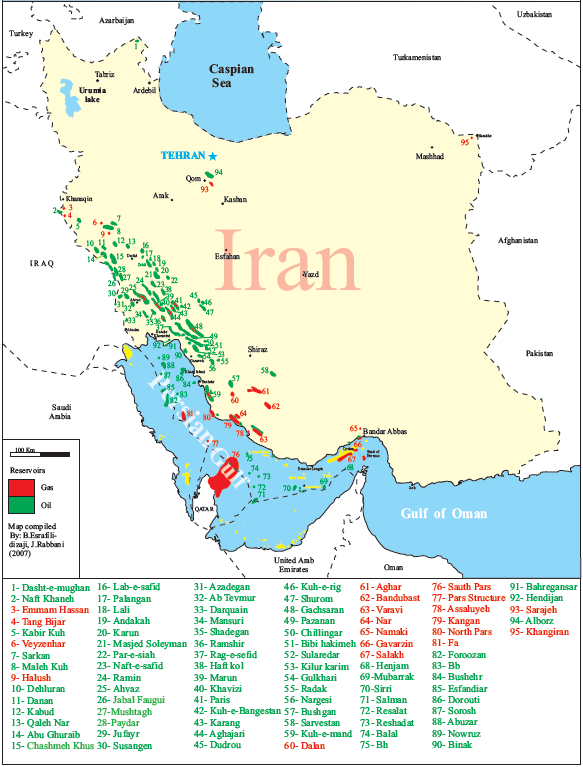
The more explosive question is whether Washington is moving toward pressure on Iran’s energy infrastructure. The Washington Examiner piece cited reports of a possible shift in that direction and argued that such a move would mark a major strategic threshold.
Energy is not just another sector for Iran. Oil and related exports are central to state revenue, elite patronage networks and the regime’s ability to withstand sanctions. A campaign that seriously disrupts energy infrastructure or energy sales would strike closer to the state’s operating budget than symbolic sanctions or diplomatic isolation.
That is also why the risks are larger. Energy pressure can spill into global oil prices, shipping security and relations with countries that still buy Iranian products directly or indirectly. It can also increase the chance of Iranian retaliation against regional targets, U.S. forces or Gulf shipping lanes.
Supporters of maximum pressure argue that Tehran responds only when costs threaten the regime’s core interests. Critics argue that broad economic pressure can harden the regime, hurt civilians and reduce incentives for diplomacy.
The regime-change question
Any policy aimed at a government’s capacity to govern raises an unavoidable question: is the goal behavior change, or regime change?
The White House language remains focused on threats to the United States, allies and interests. It describes Iran as a destabilizing actor and says the president can modify the order if circumstances change, if retaliation occurs, or if Iran and affected countries take significant steps to align with U.S. national security and foreign policy concerns.
That leaves room for a coercive bargaining strategy: apply pressure, force choices, and hold out the possibility of relief. But a strategy that pressures the institutional infrastructure of the Iranian state can look very different from Tehran’s perspective. Iranian leaders may read it as an attempt to destabilize the regime itself.
That perception matters. If Tehran believes Washington’s goal is survival-threatening, compromise becomes harder. If Washington believes only intense pressure can force concessions, restraint becomes harder. The danger is a spiral in which both sides see escalation as defensive.
Why allies will watch closely
U.S. allies have reasons to support tougher action against Iran. Israel and Gulf partners have long warned about Tehran’s missile programs, proxy networks and regional influence. European governments have also grown more alarmed about Iranian military cooperation with U.S. adversaries and crackdowns at home.
But allies also have reasons to worry about a wider campaign. A confrontation that hits energy flows or third-country trade can create costs beyond Iran. It can complicate relations with major importers, strain coordination with Europe and raise the price of fuel for consumers far from the Persian Gulf.
The tariff approach is especially sensitive because it uses U.S. economic power against countries that continue doing business with Iran. That can be effective leverage, but it can also create friction with governments that view extraterritorial pressure as overreach.
For Trump, the political appeal is clear: a tougher posture on Iran, less patience for drawn-out nuclear talks, and a message that Washington will not treat Tehran’s regional behavior as separate from its economy. The strategic challenge is keeping that pressure from becoming an open-ended escalation without a clear off-ramp.
What remains unclear
The biggest unknown is the administration’s end state. Is the objective a new nuclear deal, deeper isolation, reduced proxy activity, a weakened regime, or some combination of all four?
The answer will determine how far Washington is willing to go. If the goal is to force negotiations, the administration will need credible conditions for relief. If the goal is to cripple Iran’s governing capacity, the United States may be entering a much more volatile phase of confrontation.
There is also the question of evidence. The Washington Examiner argument is explicitly built around “if” recent reports accurately reflect the administration’s direction. That caveat matters. Publicly available White House actions show a broadened pressure strategy, especially through tariffs and third-party penalties. They do not, by themselves, prove a formal U.S. decision to target the Iranian regime’s ability to govern.
Still, the direction of travel is notable. Trump’s Iran policy is no longer easy to describe as a nuclear-only campaign. The pressure is spreading across trade, energy, regional security and the institutions that keep Tehran in power. Whether that produces leverage or a wider crisis may depend on how clearly Washington defines what it wants next.
Leave a Reply