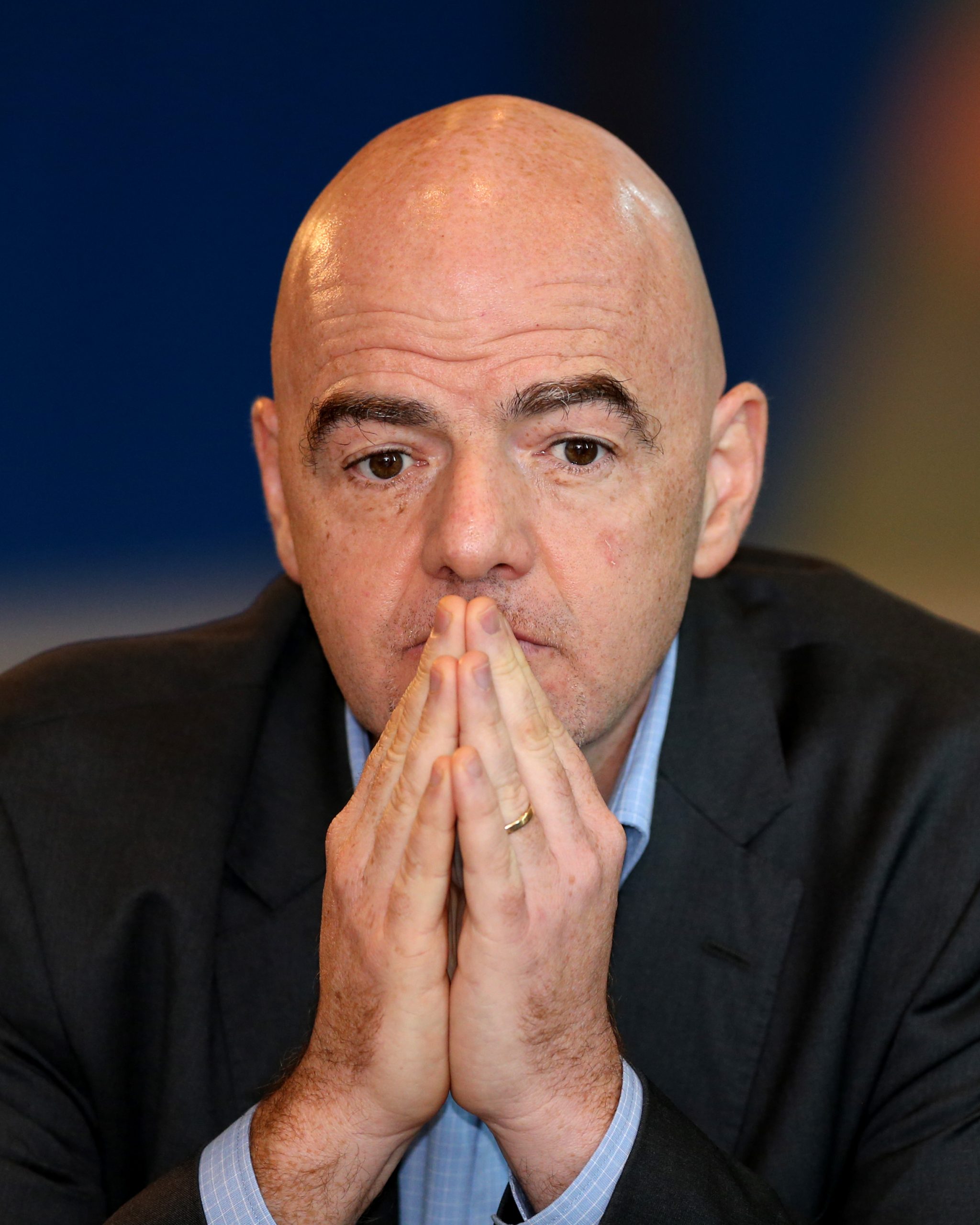
The collapse of the proposed World Cup investment deal is more than a commercial setback. It exposes a governance fight inside FIFA as Infantino looks toward another term.
Gianni Infantino’s future as FIFA president is in doubt after FIFA scrapped a plan to sell a stake in the World Cup to private investors, following the backlash from FIFA members, regional confederations and critics of the proposal.
The abandoned plan, discussed in Geneva on Friday, reportedly involved private investors paying $4.2 billion for 20% of a new World Cup commercial vehicle. For FIFA’s 211 member associations, the retreat matters because it turns a business proposal into a test of Infantino’s authority.
A sell-off that hit a wall
FIFA president Gianni Infantino said Friday that world soccer’s governing body would not proceed with plans to sell a stake in the World Cup to private investors, Reuters reported. The decision came after resistance hardened across FIFA’s membership and after several regional bodies made clear they were not prepared to support the idea.
The proposal was pitched as a way to bring outside capital into FIFA’s biggest competitions, including the men’s and women’s World Cups. According to BBC Sport, FIFA and Infantino wanted to create a commercial subsidiary to run major events, with third parties allowed to make minority, non-controlling investments.
That distinction did not calm opponents. To critics, the phrase “minority investment” did not answer the larger question: should any part of the World Cup’s commercial future be opened to private investors at all?
Infantino said the proposal had “created divisions” and was no longer serving its intended purpose, according to the BBC. His statement that the plan “will not proceed” ended the immediate fight, but not the fallout.
Why members pushed back
The backlash was unusually broad because the World Cup is not an ordinary FIFA asset. It is the sport’s most powerful commercial engine, the tournament that funds much of FIFA’s development spending and shapes the balance of power between Zurich, confederations and national associations.
BBC Sport reported that Infantino had offered FIFA’s 211 member associations a $40 million financial incentive tied to support for the proposal. Supporters could argue that new investment might unlock money for federations, facilities and competitions. That argument has force in countries where football budgets are thin and FIFA funding can be decisive.
Opponents saw a different risk. Selling a stake, even a minority one, raised fears that private financial interests could influence the calendar, tournament formats, sponsorship priorities or long-term control of FIFA’s most valuable competitions.
The resistance also reflected a process complaint. Several voices around the game argued that such a major change required deeper consultation before FIFA tried to move it forward.
Confederations changed the math
For Infantino, the danger was not just public criticism. It was arithmetic.
FIFA has 211 member associations, and a majority would have been needed to carry a proposal of this scale. BBC Sport noted that 106 votes would represent a majority. Once major confederations lined up against the plan, the path narrowed quickly.
UEFA, European football’s governing body, opposed the proposal and, according to the BBC, voted to boycott World Cups if the plan went ahead. Concacaf, covering North and Central America and the Caribbean, also rejected it. The Asian Football Confederation then said it stood in solidarity with UEFA and Concacaf.
Together, those blocs represented enough potential opposition to make passage look remote if national associations followed their confederations’ lead. Africa’s CAF and Oceania’s OFC were expected to discuss the plan, while Conmebol in South America sought more information and clarification on the proposal’s structure and effects.
Infantino’s leadership is exposed
Infantino has been FIFA president since February 2016 and has often presented himself as a leader who can expand the game, grow revenues and distribute more money to member associations. The World Cup has been central to that pitch.
This episode cuts directly against that brand. A leader known for consolidating support among smaller federations has just withdrawn a flagship commercial plan after resistance from the same political ecosystem he needs to keep together.
The BBC reported that Carlos Cordeiro, Infantino’s senior adviser on global strategy and governance, resigned over the matter, calling the proposal “a bad deal for football” and warning it would “mortgage football’s future.” FIFA chief operating officer Kevin Lamour also said the administration had been “deceived” about the project, according to the BBC.
Those are not routine disagreements over sponsorship language. They suggest internal strain over how the plan was developed, sold and understood inside FIFA itself.
The case for investment remains
There is still a real debate underneath the political drama. FIFA’s competitions are bigger, more expensive and more global than ever. The expanded men’s World Cup, the growth of the women’s tournament and pressure to fund development programs all require money.
A controlled outside investment could, in theory, bring capital and commercial expertise without handing over governing power. That is the argument FIFA appeared to be making when it framed the investment as minority and non-controlling.
But football’s history makes stakeholders wary. Fans and officials have seen commercial logic reshape kick-off times, tournament formats and travel demands. When the asset is the World Cup, even a limited stake can sound like the start of a permanent shift away from member-led governance.
That tension is why the withdrawal matters. FIFA did not merely pause a financing mechanism. It acknowledged that the political cost of pushing forward had become too high.
What happens next
Infantino said his intent is to bring interested parties back together in the coming days and weeks, according to the BBC. That signals FIFA may try to repair relationships before any new commercial proposal appears.
What remains unclear is how much damage has already been done. Opponents will want to know who shaped the plan, which investors were involved, what rights or revenues were being discussed, and how FIFA’s members were expected to oversee the new structure.
The timing is awkward for Infantino because he is seeking another term at the FIFA Congress in March. A withdrawn proposal does not automatically end a presidency, especially in FIFA politics, where alliances are often transactional and fluid. But it gives critics a concrete issue to organize around.
The clean takeaway is that FIFA’s members and confederations forced a retreat on the sport’s most valuable property. Infantino can still argue he listened and pulled back. His critics can argue he only listened after the votes disappeared.
Leave a Reply