
The reported agreement gives Philadelphia another star, but it is not official paperwork yet. The delay shows how the NBA’s apron system can complicate even a discounted veteran contract.
LeBron James is signing with the Philadelphia 76ers on a two-year, $8 million contract, but the 76ers cannot officially sign him yet because of NBA apron rules. The 41-year-old can’t actually become a completed Philadelphia signing until the team makes roster adjustments before the deal can be completed.
That distinction matters because an agreement and an official NBA contract are not the same thing. The Athletic reported that James announced his decision Friday on social media, but the Sixers still have to make the roster and salary math work before the league can process the move.
The deal is real, not finished
James’ reported agreement with Philadelphia is striking on two levels. It would move the NBA’s all-time leading scorer to the 76ers for what The Athletic described as the veteran minimum for a player with his years of service, and it would put him in line for a record 24th NBA season.
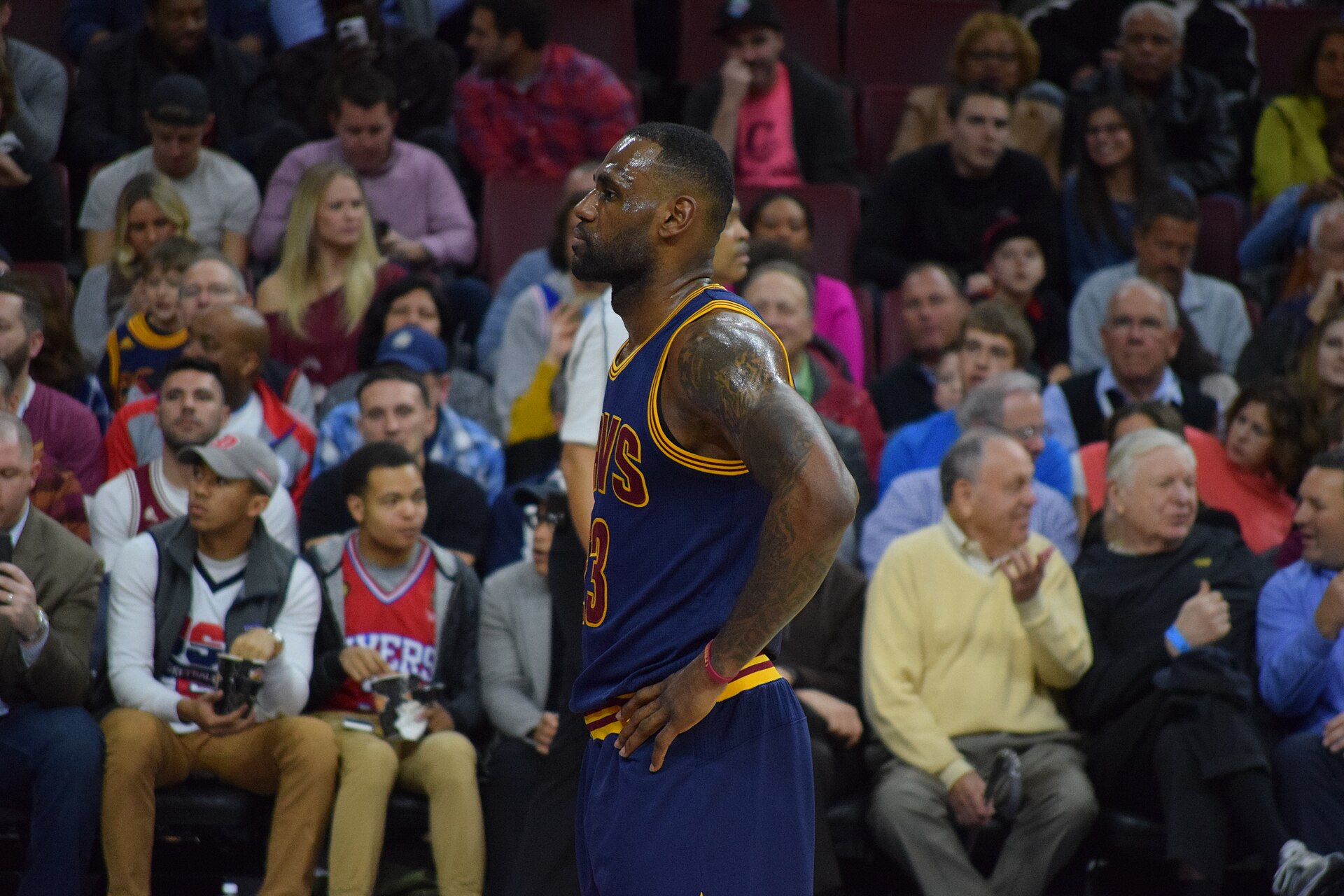
The reported contract is two years and $8 million, according to a league source cited by The Athletic on condition of anonymity because they were not authorized to discuss the agreement publicly. James framed the move as a basketball decision, writing on X that he believes he can help make the 76ers a championship team.
The catch is procedural but important. Until Philadelphia creates the necessary room within the NBA’s apron framework and roster structure, the deal remains something the sides have agreed to, not something the league has officially completed.
For fans, that can sound like a loophole or a contradiction. It is neither. NBA teams routinely line up moves before every piece is filed, approved and reflected on the official roster.
Why the apron blocks it
The NBA’s apron rules are not a traditional hard salary cap, but they can act like one in practice. The aprons are spending thresholds tied to the luxury tax, and crossing them limits how teams can add players, use exceptions, aggregate salaries in trades and maneuver around the margins of a roster.
That is why a small contract can still require careful accounting. James taking a discounted deal does not erase every team-building restriction Philadelphia faces. The Sixers still have to fit the signing into the rules that govern their current salary sheet, roster spots and transaction order.
The key point is that the issue is not James’ eligibility to play for the 76ers. It is Philadelphia’s ability to officially add him under the NBA’s current financial rules without violating apron limits or related roster mechanics.
Until the adjustment is made, the transaction is stuck in the space between agreement and completion. That is the “yet” in the story: not a failed deal, but an unfinished one.
Philadelphia’s roster math is crowded
The appeal for James is obvious. The Athletic reported that he chose Philadelphia because he viewed the Sixers as the best remaining path to a fifth championship. The roster, at least on paper, gives him a cleaner late-career role than carrying an offense every night.
Philadelphia’s core now projects to include Joel Embiid, Tyrese Maxey and Jaylen Brown, with James sliding into a group coached by Nick Nurse. The Athletic also noted the presence of rising second-year guard VJ Edgecombe, giving the Sixers both star power and another young piece.
That depth is exactly what makes the roster attractive. It is also what makes the bookkeeping harder. Expensive teams with multiple high-end players have less freedom to add even low-cost veterans without first checking the apron impact and roster count.
The Sixers’ next move does not have to be dramatic to matter. A salary-clearing transaction, a waived player, a sequencing move or another roster adjustment could be enough, depending on where Philadelphia’s official numbers land.
LeBron is choosing role over money
The reported money is not the headline because James needs the payday. It is the headline because of what it says about his priorities at this stage. A two-year, $8 million deal is a championship-chasing number, not a maximum-leverage number.
James said in his announcement that this is his “last decision” and that he is not going for money. The Athletic reported that a source close to James described the decision-making process as centered on winning another title, not creating drama or waiting for a different star alignment elsewhere.
That tracks with the basketball fit. Maxey can operate on and off the ball. Embiid remains the franchise centerpiece when healthy. Brown gives Philadelphia another two-way star. James, even at 41, can still organize offense, punish mismatches and raise the collective IQ of a playoff team.
There is risk baked in, too. James will turn 42 in December. Embiid’s health is always part of any Sixers championship conversation. Brown’s fit, Maxey’s usage and Nurse’s rotation choices will all matter if this becomes more than a paper superteam.
The upside is obvious
James still produced at a high level last season. The Athletic reported that he averaged 20.9 points, 7.2 assists and 6.1 rebounds while shooting 51.5 percent from the field, extending his streak of averaging at least 20 points to all 23 seasons of his career.
Those numbers are not prime-LeBron dominance, but they are far beyond normal late-career production. For Philadelphia, that is the wager: James no longer has to be the nightly engine if Embiid, Maxey and Brown are doing their jobs.
The Sixers’ best version would not ask James to solve every possession. It would ask him to stabilize lineups, close games, create efficient looks and turn playoff possessions into better decisions. That is still a rare skill set.
The opposing view is just as fair. Older stars can decline quickly, and star-heavy rosters often look cleaner in July than they do in April. Philadelphia is not just adding a legend; it is adding another high-usage player to a team that will need sacrifices from everyone.
What has to happen next
The next step is simple to describe and more complicated to execute: Philadelphia has to make the transaction legal under the apron rules. Until then, the public agreement cannot become an official completed signing.
What remains unclear is exactly which roster adjustment the 76ers will choose. The team could need to open a roster spot, trim salary, reorder transactions or use another mechanism available under NBA rules. The final path will depend on the Sixers’ full cap sheet and the league’s approval process.
For now, the most important takeaway is that the delay does not mean James changed his mind. It means the NBA’s financial system is doing what it was designed to do: force high-spending teams to account for every addition, even when the addition is LeBron James on a bargain contract.
If Philadelphia clears the hurdle, the basketball story becomes much bigger than the paperwork. James would join a loaded Sixers team for one last title push, and the Eastern Conference would have another contender built around star power, risk and a very small margin for error.
Leave a Reply