The decision closes a criminal referral over Musk’s voter-linked giveaway posts but leaves unresolved questions about the legal line between political advocacy and inducements to vote. The case arose from Wisconsin’s record-breaking 2025 Supreme Court contest.
Elon Musk will not face charges in Wisconsin over allegations of election bribery tied to the 2025 Wisconsin Supreme Court election. A special prosecutor said he could not persuade a jury that Musk’s posts offering $1 million checks to people connected to the election amounted to a criminal bribe.
The decision ends a referral from the Wisconsin Elections Commission, not the wider debate around Musk’s role in a judicial race that became the costliest in U.S. history. It also turns on a crucial distinction: what Musk’s first post appeared to offer, what he later changed it to say, and whether anyone received money for voting.
Why prosecutors declined to charge
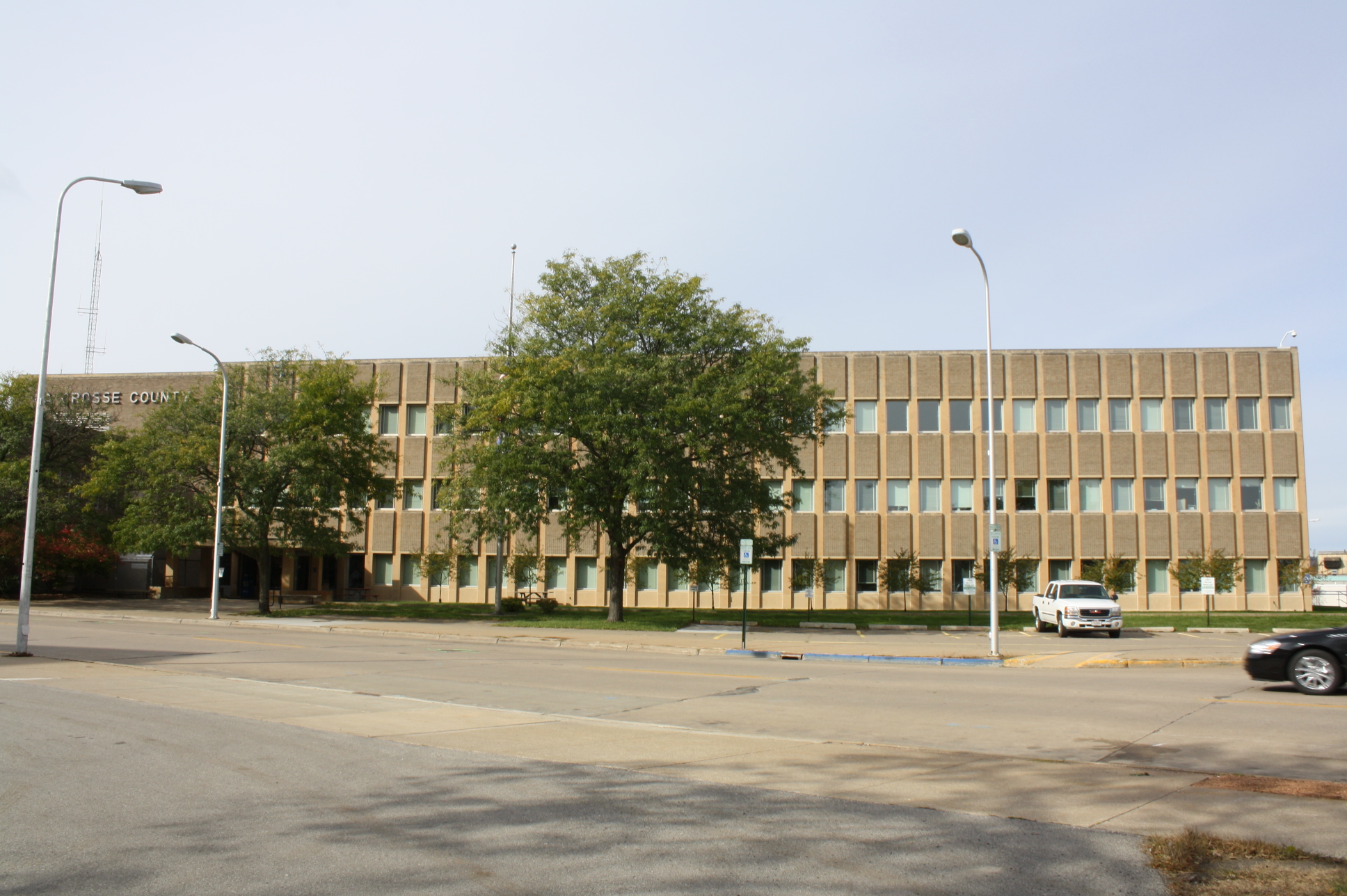
La Crosse County District Attorney Tim Gruenke, appointed as special prosecutor, announced that he would not bring charges. Gruenke said he did not believe a jury would convict Musk after considering the intent behind the posts, the follow-up post and the fact that no one was given anything of value for voting.
That is a legal judgment about the likelihood of proving a crime beyond a reasonable doubt. It is not a finding that the original wording was uncontroversial, nor does it mean the Wisconsin Elections Commission was wrong to send the complaints to prosecutors for review.
Gruenke, a Democrat, described the matter as a poorly worded statement that was corrected and brought into compliance with the law once the high profile and the large sum were set aside. His conclusion rested on the practical question every prosecutor must confront: whether admissible evidence would convince a unanimous jury.
The posts at the center
Days before Wisconsin’s April 2025 Supreme Court election, Musk posted that he would hold an event in Green Bay open only to people who had voted. He wrote that he would personally give two $1 million checks to attendees in appreciation for taking the time to vote.
Less than a day later, Musk replaced that language. The revised post said the event was limited to people who had signed a petition opposing activist judges, and that the money would go to people who would advocate for the petition.
That revision became central to the non-charging decision. The initial statement connected eligibility to voting; the later statement connected it to petition activity. Prosecutors still had to establish that a thing of value was actually offered or given in exchange for voting or a promise to vote, and Gruenke concluded that case was not strong enough for trial.
How the complaint reached prosecutors
The bipartisan Wisconsin Elections Commission referred two complaints in July for possible prosecution, saying Musk likely had violated the law. The complaints initially went to the Brown County district attorney’s office.
A conflict of interest led to Gruenke’s appointment as special prosecutor. His decision therefore followed an election-administration referral and an independent prosecutorial review, rather than an immediate dismissal of the allegations.
Wisconsin’s Democratic attorney general had also sued in 2025 to stop Musk from handing over the checks. State courts rejected that attempt. Musk’s lawyers argued in court filings that the giveaways were protected political speech and that restrictions would violate the Wisconsin and U.S. constitutions.
A race shaped by extraordinary spending
The dispute unfolded during a Supreme Court campaign that drew national attention because control of Wisconsin’s highest court was at stake. Musk and aligned groups spent at least $20 million supporting former state Attorney General Brad Schimel, according to the Associated Press.
Overall spending exceeded $100 million, making it the most expensive judicial election in U.S. history. Susan Crawford, the candidate backed by Democrats, defeated Schimel by 10 percentage points, preserving the court’s liberal majority.
The election result does not determine whether Musk’s posts were legal. But the scale of the contest helps explain why the offer of seven-figure checks became a test case for the boundaries of political spending, voter outreach and election-bribery statutes.
What the decision does and does not settle
The immediate result is narrow: Musk faces no criminal charge from this Wisconsin matter. Gruenke’s explanation makes clear that the decision was driven by the expected difficulty of securing a conviction under these facts.
It does not create a new statewide rule declaring that voter-linked cash promotions are lawful. Future cases could turn on different wording, evidence that money was actually distributed for voting, a clearer exchange, or a different prosecutor’s assessment of the available proof.
Critics of Musk’s actions can reasonably argue that the first post risked blurring a fundamental line in elections: voters should not be paid for casting a ballot. Musk’s legal position, meanwhile, was that the events involved protected advocacy rather than an unlawful transaction for a vote.
Those competing views help explain why the case drew scrutiny even without charges. The prosecutor’s decision resolves this referral, but it leaves the broader policy question intact: whether existing election laws can clearly address modern political giveaways that are rapidly reworded and amplified online.
The takeaway for election law
Election-bribery laws are aimed at protecting voters from direct financial inducements. Applying them can be difficult when an offer is communicated online, revised quickly and framed as participation in political advocacy rather than payment for a ballot.
For Wisconsin officials, the Musk matter is a reminder that referrals and investigations can be warranted even when the evidence ultimately falls short of criminal proof. For political groups, it underscores that the specific terms of a promotion—and whether value is tied to voting itself—can carry major legal consequences.
Musk’s representatives had not responded to requests for comment cited by the Associated Press. The prosecutorial decision closes one chapter from the 2025 race, while the debate over money, speech and voter incentives is likely to continue well beyond it.
Leave a Reply