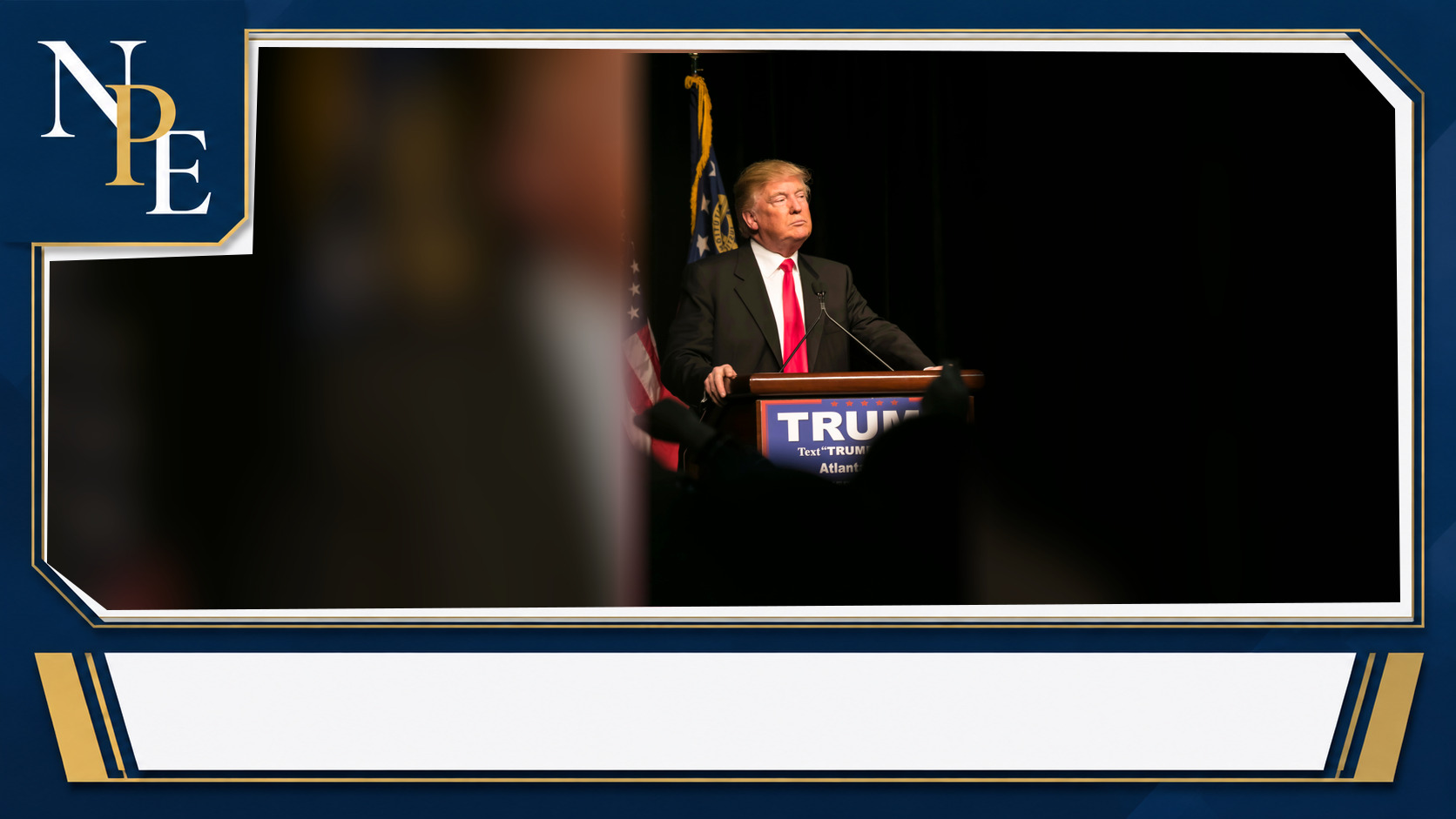
Canada’s election showed how quickly U.S. pressure can become a domestic political issue north of the border. The deeper risk is that an economic dispute hardens into a lasting break between two close allies.
Donald Trump’s hostility toward Canada has triggered a political backlash, and Canada’s Liberals won a comeback election amid that backlash. Trump’s actions toward Canada are politically backfiring on him by worsening U.S.-Canada relations, even as the trade fight involves 50% tariffs on steel and aluminum and more than $20 billion in Canadian retaliatory measures.
The immediate political result was clear in Canada’s 2025 election: voters returned the Liberals to power after a campaign in which Trump’s rhetoric, tariff threats and suggestions that Canada should become a U.S. state became an unavoidable issue. The longer-term result is less certain, but the dispute is turning a close economic partnership into a test of national identity.
A campaign shaped by Trump
Reuters reported that the Liberals’ election victory represented a dramatic comeback, with the party retaining power but falling short of a parliamentary majority. The outlet described a backlash to Trump as an important force in the result.

That does not mean Trump alone decided the election. Canadian voters also weighed housing costs, affordability, economic anxiety and views of the country’s major parties. Still, the U.S. president became a highly visible external factor in a race that had previously looked far less favorable for the Liberals.
For a governing party seeking to present itself as a defender of Canadian sovereignty, Trump’s approach offered an unusually powerful contrast. A dispute with Washington can give an incumbent leader room to rally voters around stability, independence and the need for a unified response.
That is the first sense in which the strategy can backfire politically: pressure intended to extract concessions can consolidate support for the government on the receiving end.
Trade pressure became personal
The White House has made no secret of its hard line. In an August 2026 statement, it accused Canada of unfairly restricting U.S. commerce and said Trump was ending what it called Canada’s “free ride.” The administration argued that Canadian barriers in autos, alcohol and dairy have hurt American companies and workers.
The statement also framed the relationship in starkly unequal terms, noting that Canada sends roughly three-quarters of its goods exports to the United States and arguing that the much larger U.S. economy has leverage. That argument is central to Trump’s approach: access to the American market should produce concessions.
But leverage is not the same as political compliance. Canada’s leaders can portray demands, tariffs and disparaging rhetoric as an attack on the country rather than a conventional bargaining position. Once that happens, resisting Washington may become politically safer than appearing to accommodate it.
The tone matters as much as the trade ledger. Criticism of particular tariffs or quotas is one thing. Language questioning Canada’s standing as a separate country invites a broader response, one rooted in sovereignty rather than the technical details of trade policy.
The tariff costs run both ways
The current standoff is not cost-free for either side. The White House says Canada imposed an additional $27.6 billion in tariffs on American businesses, including a 50% tariff on American steel and aluminum, along with 25% duties on American fish and tools. Those figures put the retaliation well above $20 billion.
Washington says Canada’s actions have cut into U.S. exports. The White House cited a 22% decline in U.S. vehicle exports to Canada over the past year and an 81% drop in U.S. alcohol exports, though those claims represent the administration’s account of the dispute.
Canadian officials and businesses, meanwhile, have strong reasons to worry about American tariffs because of the country’s heavy dependence on U.S. markets. That vulnerability is real. Yet it also creates an incentive for Canada to diversify trade relationships, build domestic support for affected industries and reduce exposure to Washington’s next policy shift.
American consumers and companies have a stake as well. Tariffs can raise costs or disrupt supply chains in sectors where the two countries’ production is deeply intertwined, including vehicles, metals, energy, food and construction materials. A policy designed to pressure Canada can therefore send costs back through the same North American economy it is meant to protect.
Why the political backlash matters
The United States and Canada have disagreements that predate Trump, especially over dairy protections, timber, industrial policy and market access. The White House’s complaint that Canada uses restrictive quotas and other barriers is part of a longstanding argument, not an invented grievance.
The competing view is that trade disputes require proportionate remedies and sustained negotiation, not an escalation that turns neighboring allies into public antagonists. Critics of Trump’s approach argue that aggressive rhetoric gives Canadian leaders an electoral advantage while making practical compromises harder to sell at home.
There is also a strategic cost. The countries share the world’s longest international border, major defense responsibilities and supply chains that support workers on both sides. Friction over trade can spill into cooperation on security, energy, critical minerals and border management.
For Trump, the challenge is that a show of force can be popular with supporters who want a tougher trade posture while producing counterpressure abroad. The Canadian election was a reminder that foreign leaders and voters are not passive participants in U.S. political messaging.
Negotiation is still the unresolved test
The White House says Canada chose retaliation over negotiation and maintains that the United States offered it preferential market access. Canada’s position, as reflected in its retaliatory actions, is that it must answer measures it sees as discriminatory and damaging to Canadian producers.
Those accounts leave major questions unresolved: which tariffs remain in place, whether exemptions or sector-specific deals can contain the damage, and whether both governments can separate trade grievances from the broader relationship.
A durable settlement would require more than declaring victory. It would have to address concrete disputes over autos, steel, aluminum, dairy and alcohol while giving both governments enough political room to claim they defended domestic interests.
Canada’s Liberal comeback does not settle the trade fight. It does show the limit of treating a close ally as an easy target: pressure from Washington may strengthen Canada’s resolve, reshape its politics and make the U.S.-Canada relationship harder to repair.
Leave a Reply