The former Republican candidate is turning a losing campaign theme into a statewide ballot fight. The push shows how marriage equality and abortion rights remain active political targets even where legal protections already exist.
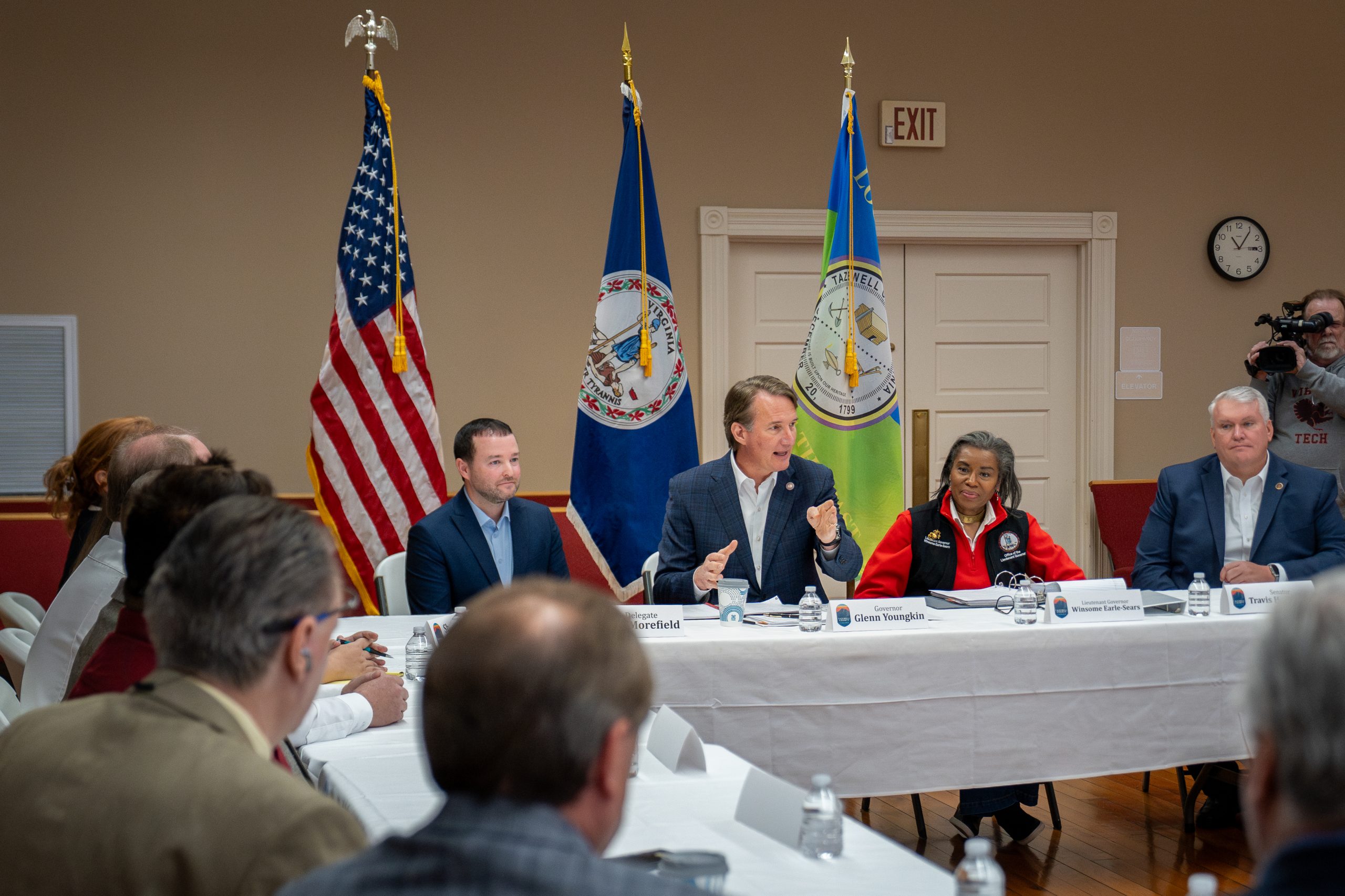
Former Virginia Lt. Gov. Winsome Earle-Sears, the failed GOP governor candidate who lost to Democrat Abigail Spanberger in 2025, launched a campaign against marriage equality last week. Her “Life and Marriage Tour” is aimed at Virginians and two constitutional amendments on the ballot in the upcoming midterm elections, urging a “no” vote on measures meant to protect marriage equality and reproductive rights in Virginia.
The tour matters because it moves Earle-Sears’s culture-war message from her failed gubernatorial run into a new ballot fight over whether rights already protected by law should be locked into the state constitution.
A tour aimed at amendments
According to LGBTQ Nation, Earle-Sears announced that she will travel across Virginia to oppose the two proposed constitutional amendments. One would protect marriage equality. The other would protect reproductive rights.
The campaign is being framed by Earle-Sears as a warning to voters. LGBTQ Nation reported that, in an email to supporters, she said her efforts are focused on informing voters and encouraging them to “carefully consider these proposals and vote NO on both amendments.”
ABC 8 News, cited in the report, said the tour will focus on her “serious concerns” about the amendments. The available reporting does not include the full campaign schedule, how much money the effort expects to raise or spend, or which outside groups may join it.
That uncertainty matters. Ballot amendment fights can become expensive fast, especially when national organizations see a state vote as a test case for broader messaging.
A post-election message lives on
Earle-Sears’s new effort follows a bruising loss. She was the Republican nominee for Virginia governor in 2025 and lost to Spanberger by 13 points, according to LGBTQ Nation. Spanberger is now Virginia’s governor.
During that race, Earle-Sears leaned heavily into messages about LGBTQ+ issues and gender identity. LGBTQ Nation reported that she claimed Spanberger was “for they/them, not for us” and accused her of supporting policies involving trans students in sports, bathrooms and locker rooms. The outlet described that claim as false.
She also made a workplace-discrimination claim during a televised debate, saying that discrimination against gay people at work is not discrimination, according to the same report. For critics, the new tour looks like a continuation of the same campaign. For supporters, it is likely to be framed as a stand against constitutional changes they see as too broad or morally objectionable.
That is the central tension in Virginia now: whether voters treat the amendments as routine protections for existing rights, or as a new ideological fight worth rejecting at the ballot box.
Virginia already changed marriage law
The marriage-equality fight in Virginia did not start with this tour. In 2024, Virginia enacted H.B. 174, a bill that codified marriage equality in state law and removed the state’s same-sex marriage ban from the books, according to LGBTQ Nation and reporting it cited from The Virginia Scope.
The move was designed as a safeguard. Same-sex marriage has been legal nationwide since the U.S. Supreme Court’s 2015 decision in Obergefell v. Hodges. But state-level protections matter if the Supreme Court ever revisits or weakens that precedent.
Earle-Sears, who presided over the Virginia Senate as lieutenant governor, was required by the state constitution to sign the bill after the Senate passed it. She did so, but added a handwritten note making clear she opposed the substance of the legislation.
“As the Lt. Governor, I recognize and respect my constitutional obligation to adhere to the procedures laid out in the Constitution of Virginia,” she wrote, according to the report. She added: “However, I remain morally opposed to the content of HB 174 as passed by the General Assembly.”
The national legal shadow
The reason marriage equality keeps returning to state politics is simple: many advocates do not view Obergefell as untouchable. That concern intensified after the Supreme Court overturned Roe v. Wade, ending the federal constitutional right to abortion and sending abortion policy back to states.
In a concurrence after the abortion ruling, Justice Clarence Thomas suggested the court should reconsider other precedents involving substantive due process. That list included Obergefell. His opinion did not overturn marriage equality, and a majority of the court did not join that suggestion, but it gave activists on both sides a concrete reason to prepare for future fights.
For LGBTQ+ rights advocates, state constitutional amendments are an insurance policy. A statute can be changed by a future legislature. A constitutional amendment is harder to undo.
For opponents, that is exactly the problem. They argue that putting these protections into the state constitution would make it much harder for future voters and lawmakers to revisit the issue. Earle-Sears’s tour appears built around that argument.
Abortion widens the battlefield
The reproductive-rights amendment gives the tour a second major issue and a wider political audience. Virginia currently allows abortion, but the amendment would put reproductive rights into the state constitution, according to the source report.
That distinction is important. After Roe fell, state constitutions became one of the most important battlegrounds in abortion politics. Some states have used ballot measures to protect access. Others have moved in the opposite direction through bans or restrictions.
Virginia has been politically competitive, and control of state government has shifted often enough that statutory protections can feel unstable to both sides. Supporters of the amendment see constitutional language as a guardrail against future restrictions. Opponents see it as locking in policy they believe should remain open to legislative challenge.
By pairing marriage equality with reproductive rights, Earle-Sears is not just opposing two amendments. She is trying to connect two national conservative causes in one Virginia campaign.
What voters still do not know
The broad outlines of the campaign are now visible, but several practical details remain unclear from the available reporting.
- How extensive Earle-Sears’s statewide tour will be, and which cities or regions it will target.
- Whether major Republican organizations, churches or national advocacy groups will formally join the effort.
- How supporters of the amendments plan to answer her campaign.
- Whether voters will see the amendments mainly as rights protections or as partisan flashpoints.
What is clear is that Earle-Sears is staying in Virginia’s political conversation after losing the governor’s race. Instead of stepping away from the issues that defined much of her campaign, she is taking them to the next available arena: a statewide vote.
For Virginians, the coming midterm ballot will test more than partisan loyalty. It will show whether voters want marriage equality and reproductive rights protected at the constitutional level, or whether Earle-Sears can persuade enough of them to reject that step.
Leave a Reply