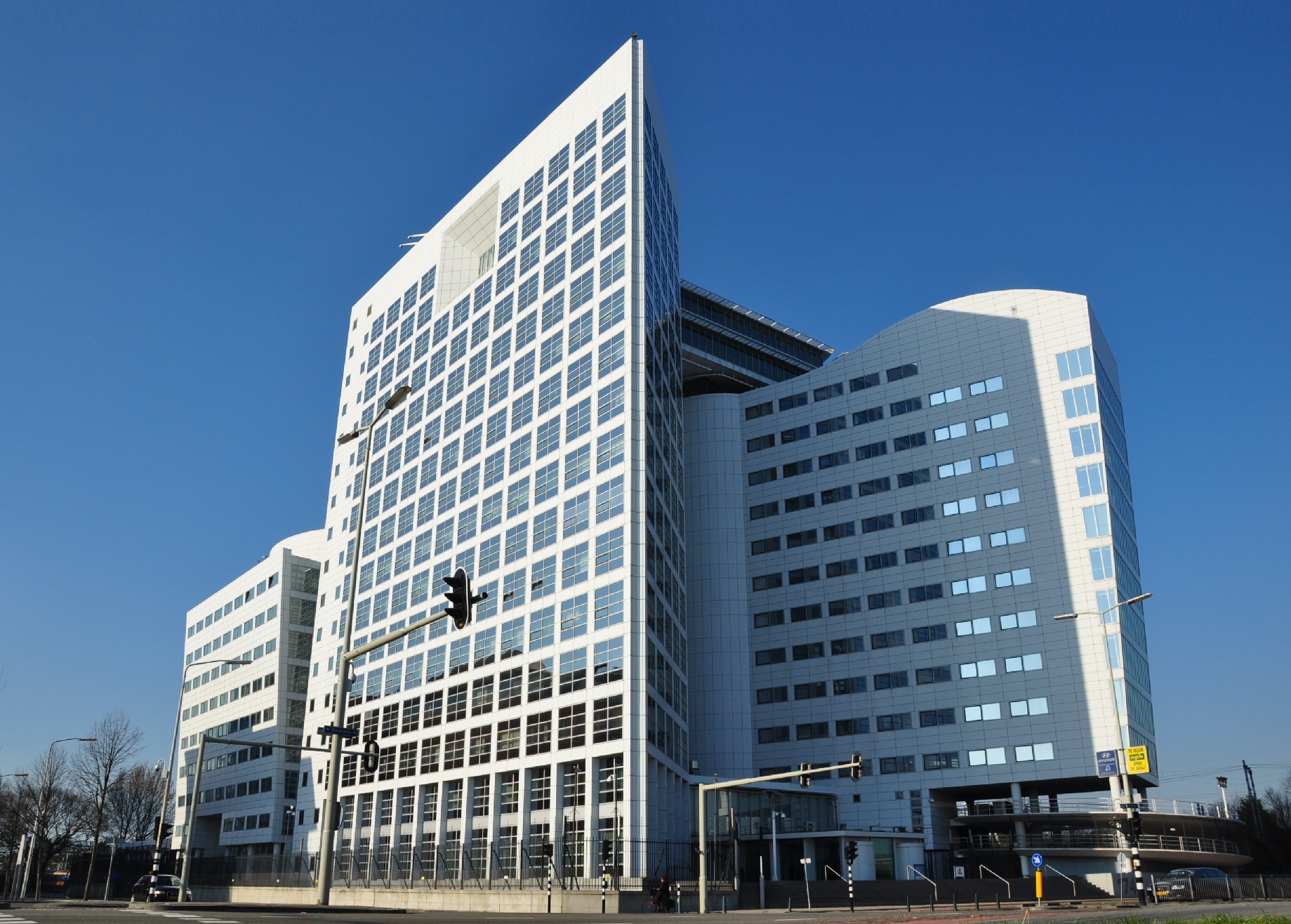
The move does not necessarily end the ICC’s Venezuela investigation, but it adds pressure on a court already facing open resistance from powerful and accused governments.
Venezuela formally withdrew from the International Criminal Court by notifying the United Nations on Friday, July 24, a step aimed at leaving the ICC process centered in The Hague after years of clashes over a human-rights investigation. Washington applauded the move, according to the report that surfaced July 25, 2026, sharpening the sense that the court is in freefall as more governments challenge its reach.
Venezuela becomes the latest state to test a hard question for the ICC: what happens when the court’s targets stop arguing the case and start rejecting the institution. The exit matters because withdrawal is not a clean eraser under the Rome Statute.
Caracas cites alleged bias
Reuters reported that Venezuela notified the United Nations of what its foreign minister described as an irrevocable decision to withdraw from the ICC, accusing the court of bias. That framing is central to Caracas’ case: the government is not simply objecting to one ruling, but to the legitimacy of the court’s role in Venezuela.
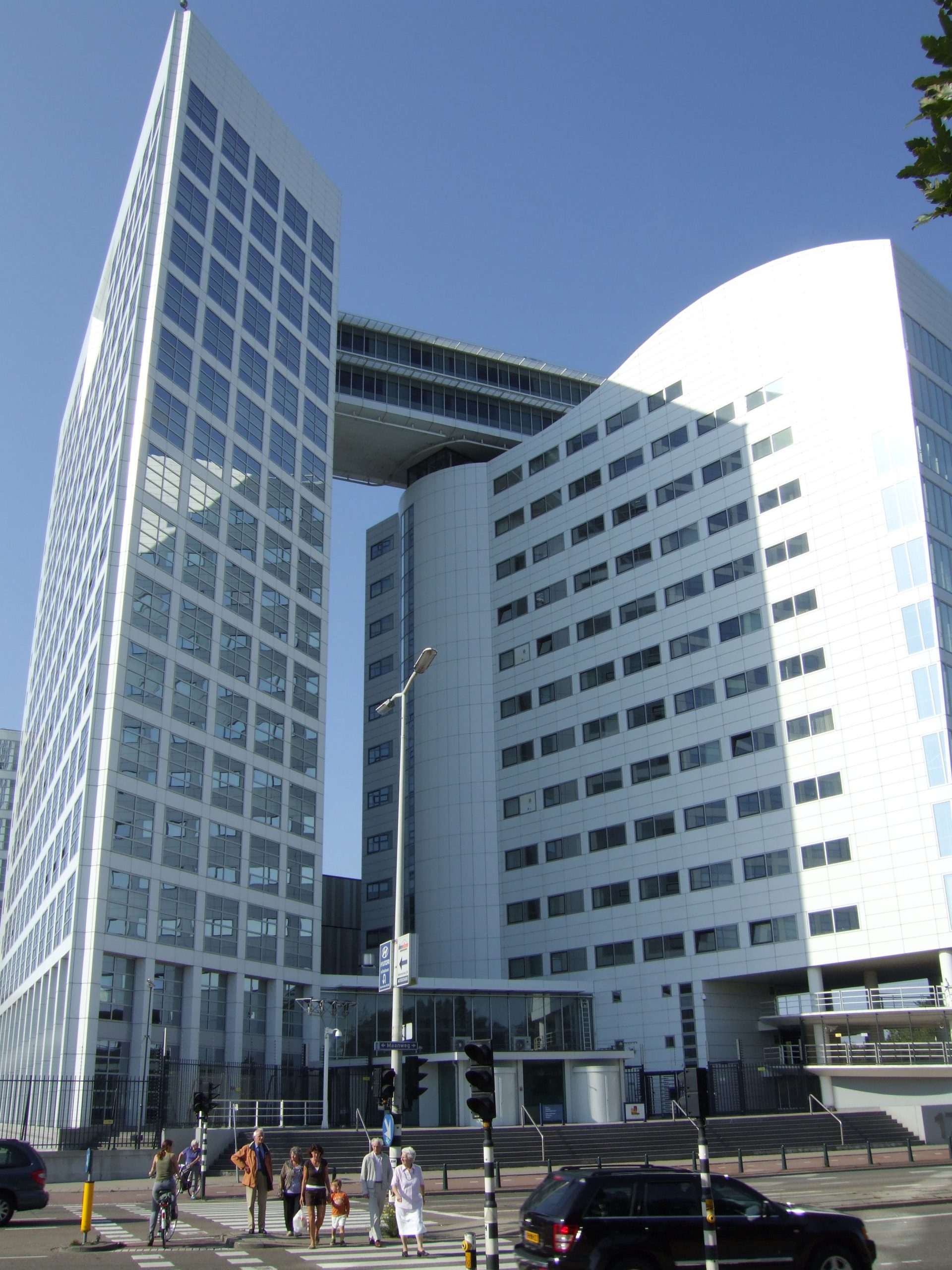
The International Criminal Court has been examining alleged crimes against humanity linked to Venezuela’s political and security crisis. Venezuelan officials have repeatedly argued that national institutions should handle domestic matters and that outside scrutiny has been politically driven.
For critics of President Nicolás Maduro’s government, that is the point. They view the ICC as one of the few forums capable of applying pressure when domestic accountability is weak or compromised. To them, withdrawal looks less like a sovereignty defense than an attempt to escape scrutiny.
Those two interpretations now sit at the heart of the story: Venezuela says it is leaving a biased court; rights advocates are likely to see another government under investigation trying to narrow the path to justice.
Withdrawal has legal limits
Leaving the ICC is not the same as voiding everything that came before. Under Article 127 of the Rome Statute, a state’s withdrawal generally takes effect one year after the United Nations receives the notice, unless a later date is specified.
That timing matters. The statute also says withdrawal does not wipe away obligations that arose while a country was still a party, and it does not automatically stop investigations or proceedings that began before the exit became effective.
In plain terms, Venezuela’s notice may change the country’s future relationship with the ICC, but it does not necessarily end the court’s existing Venezuela file. The practical effect depends on timing, cooperation, judicial decisions and the willingness of authorities to engage with requests from The Hague.
That is why the immediate political symbolism may be clearer than the legal outcome. Venezuela can announce a break. The ICC may still argue it has jurisdiction over alleged conduct from the period when Venezuela was bound by the treaty.
Washington’s applause is complicated
The U.S. reaction adds a sharp layer of irony. Washington is not a member of the ICC and has long resisted the idea that the court should have authority over U.S. citizens or allies without American consent.
At the same time, U.S. governments have often supported international accountability when the accused are adversaries or when ICC action aligns with broader foreign-policy goals. That tension has defined Washington’s relationship with The Hague for decades: useful in some cases, unacceptable in others.
So when Washington applauds Venezuela’s move, it is not merely cheering Caracas. It is reinforcing a broader argument made by ICC skeptics: that the court can overreach, become politicized, or claim authority states never fully accepted.
The available reporting did not make clear what practical action, if any, the United States plans to take after Venezuela’s notice. For now, the response is most significant as a signal. A government outside the court is welcoming another government’s decision to leave it.
A court under pressure
The ICC has always relied on a fragile bargain. It has no police force of its own, depends heavily on state cooperation, and investigates crimes that governments are often determined to deny, delay or politicize.
That makes legitimacy as important as law. When member states cooperate, arrest warrants and investigations can matter. When governments refuse, the court can look powerful on paper and weak in practice.
Venezuela’s withdrawal lands amid a wider backlash against the court from different directions. Some governments accuse it of targeting weaker states. Others attack it when investigations move closer to their own leaders, soldiers or allies. Supporters counter that backlash is inevitable when an international court begins touching real power.
The phrase court in freefall captures the political mood around the institution, but it may overstate the legal reality. The ICC is damaged when states walk away. It is also proving, in the eyes of defenders, that its work has consequences serious enough to provoke retaliation.
Victims may face the cost
The people most affected by this fight are not diplomats in Washington, Caracas or The Hague. They are Venezuelans who have sought international scrutiny over alleged abuses, and those who believe the ICC offered a rare path outside domestic politics.
If Venezuela refuses cooperation, investigators could face steeper obstacles gathering evidence, securing testimony or pressing cases forward. Even when jurisdiction remains, enforcement can become slow and uncertain.
That is the central weakness of the ICC system. The court can issue rulings, authorize investigations and name suspects, but it still needs governments to help turn legal authority into real-world accountability.
For Venezuela’s government, withdrawal may reduce external pressure and sharpen its sovereignty message at home. For opponents and rights groups, it may deepen fears that accountability is being pushed further out of reach.
What remains unresolved
The next key issue is the formal timeline. If the Rome Statute’s standard withdrawal rule applies, Venezuela’s exit would not take effect immediately, even after the July 24 notice to the United Nations.
Another unresolved issue is how aggressively the ICC will continue its Venezuela-related work and whether judges or prosecutors publicly respond to the withdrawal notice. The court has faced state resistance before, but each exit tests its durability in a different political setting.
The U.S. position also bears watching. Washington’s applause fits its skepticism toward the ICC, yet the United States has also condemned abuses in Venezuela and backed pressure on Maduro’s government. Those priorities do not always point in the same direction.
The clean takeaway is this: Venezuela’s withdrawal is a political blow to the International Criminal Court, but not necessarily a legal escape hatch. The Hague now has to show whether its authority can survive when a state under scrutiny decides to walk away.
Leave a Reply