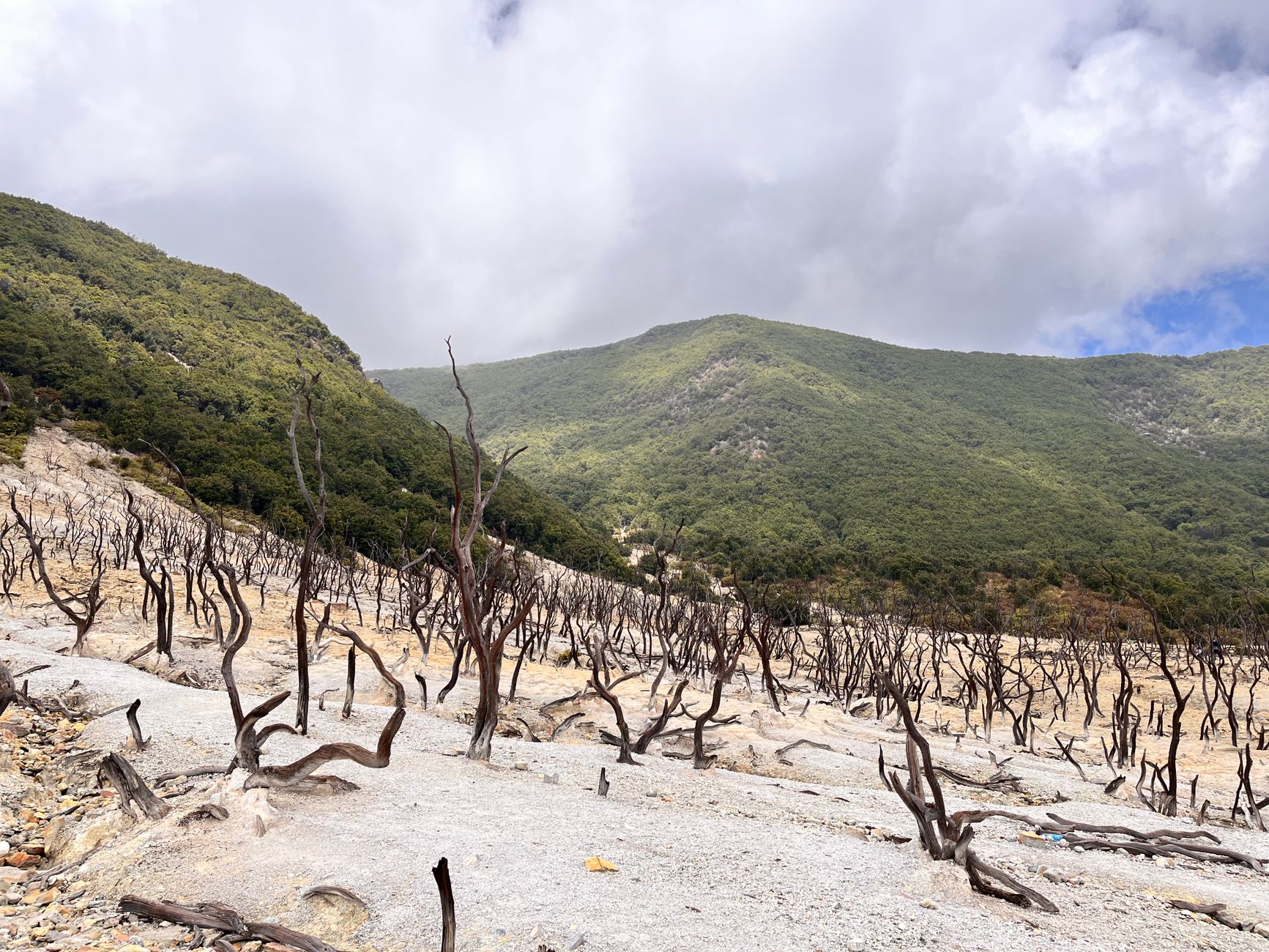
The Endangered Species Act still protects listed wildlife, but a major enforcement path tied to damaged habitat is being removed. Agencies call the change a return to the statute’s text; conservation advocates say it could leave species with fewer defenses when the places they need are degraded.
A federal rule from the U.S. Fish and Wildlife Service and National Marine Fisheries Service rescinds the regulatory definition of “harm” under the Endangered Species Act. The result is a narrower test for when habitat damage can be treated as unlawful harm to protected wildlife.
The change follows a 2025 Federal Register proposal that took public comments until May 19, 2025. A later Federal Register notice described the final action as rescinding the definition of “harm” and listed September 14, 2026, as the effective date.
According to The New York Times, the rule is a Trump administration cut to habitat protections for endangered species.
What does not disappear
The Endangered Species Act is not being repealed. Listed species remain protected, and many activities that directly kill, capture, wound or harass endangered wildlife can still violate federal law.
Federal agencies also still have duties when their actions may affect listed species or designated critical habitat. A project on federal land, or one that needs a federal permit, can still face review under the Act.
Critical habitat designations can still shape what federal agencies may approve, fund or carry out. Species listings and recovery plans also remain part of the conservation system.
That is why the rule is best understood as a change to one enforcement theory, not a full removal of federal endangered species protections.
The deleted definition
The Endangered Species Act bars the unlawful “take” of listed species. That statutory term includes actions such as killing, capturing, harassing and harming protected wildlife.
For decades, federal regulations interpreted “harm” to include significant habitat modification or degradation when it actually kills or injures wildlife by disrupting essential behaviors such as breeding, feeding or sheltering.
The rescission removes that regulatory definition. Habitat destruction, by itself, no longer fits the rescinded federal “harm” definition that had been used to enforce the Act’s take prohibition when damaged habitat caused actual injury to protected wildlife.
The practical effect is narrower than saying every road, timber sale, development project or bulldozer is outside environmental review. The change concerns how federal regulators can use the Act’s take prohibition when the alleged injury comes through habitat damage rather than direct contact with an animal.
The agencies’ legal case
In the 2025 proposal, the U.S. Fish and Wildlife Service and National Marine Fisheries Service said the existing definition, including habitat modification, ran contrary to what they called the best meaning of the statutory term “take.”
Supporters of the rescission argue that the prior definition stretched the law too far. Their view is that Congress listed specific verbs in the statute, and that “take” should focus on direct acts against animals rather than broad land-use restrictions triggered by habitat changes.
Under that reading, damaged habitat may be important biologically, but it should not automatically be treated as the same kind of prohibited act as killing, capturing or harming an animal directly.
For landowners, developers, energy companies, timber interests and local governments, the shift may mean less exposure to federal penalties in some land-use disputes.
Why conservation groups object
Conservation advocates see the legal issue through a biological lens. Their argument is that an endangered animal can be injured when the conditions it needs to breed, feed or shelter are destroyed, even if no one touches the animal.
A bird cannot recover if its nesting trees are gone. A salmon run cannot survive if stream conditions collapse. A rare bat cannot be saved only by banning people from touching bats while allowing the roosts to be destroyed.
That is why habitat has long been central to endangered species protection. The older “harm” rule allowed regulators to treat destructive habitat changes as a prohibited take when those changes actually killed or injured protected animals.
Without the regulatory definition, regulators may have a harder time bringing cases based on damaged habitat rather than direct contact with wildlife. For biologists and conservation groups, that means fewer tools to stop the gradual loss of the conditions species need to survive.
Which species and projects may be affected
The rule will not affect every endangered species in the same way. Species threatened mainly by poaching, direct killing or collection may see less immediate change. Species threatened primarily by habitat loss could feel the shift more deeply.
That includes animals whose survival depends on highly specific nesting sites, wetlands, old-growth forests, desert springs, coastal zones or river systems. For those species, habitat loss is not a side issue. It is the core threat.
The change also places more weight on other tools, including state conservation laws, local land-use rules, federal permitting requirements, critical habitat protections and voluntary conservation agreements.
Those tools are uneven. Some states have strong wildlife protections; others do not. Some projects need federal permits; others may not. Some habitats are formally designated as critical; many biologically important areas are not.
The calendar now points to court fights
The final rule’s September 14, 2026, effective date gives agencies, regulated industries, states and conservation groups time to adjust. It also gives opponents time to challenge the rule, though the outcome of any litigation is uncertain.
Courts could be asked to decide whether the agencies reasonably changed course, whether their interpretation of the Endangered Species Act is lawful, and how much weight to give past precedent and prior agency practice.
The meaning of “harm” under the Act has been contested for decades, including in major litigation over whether habitat modification can qualify as a prohibited take. The new rule brings that fight back in a different administrative posture.
The simplest takeaway is this: the Endangered Species Act still protects endangered species, but a major federal interpretation tying illegal harm to habitat destruction has been removed. Supporters call that a correction to match the statute; critics call it a retreat from protecting the places endangered species need.
Leave a Reply