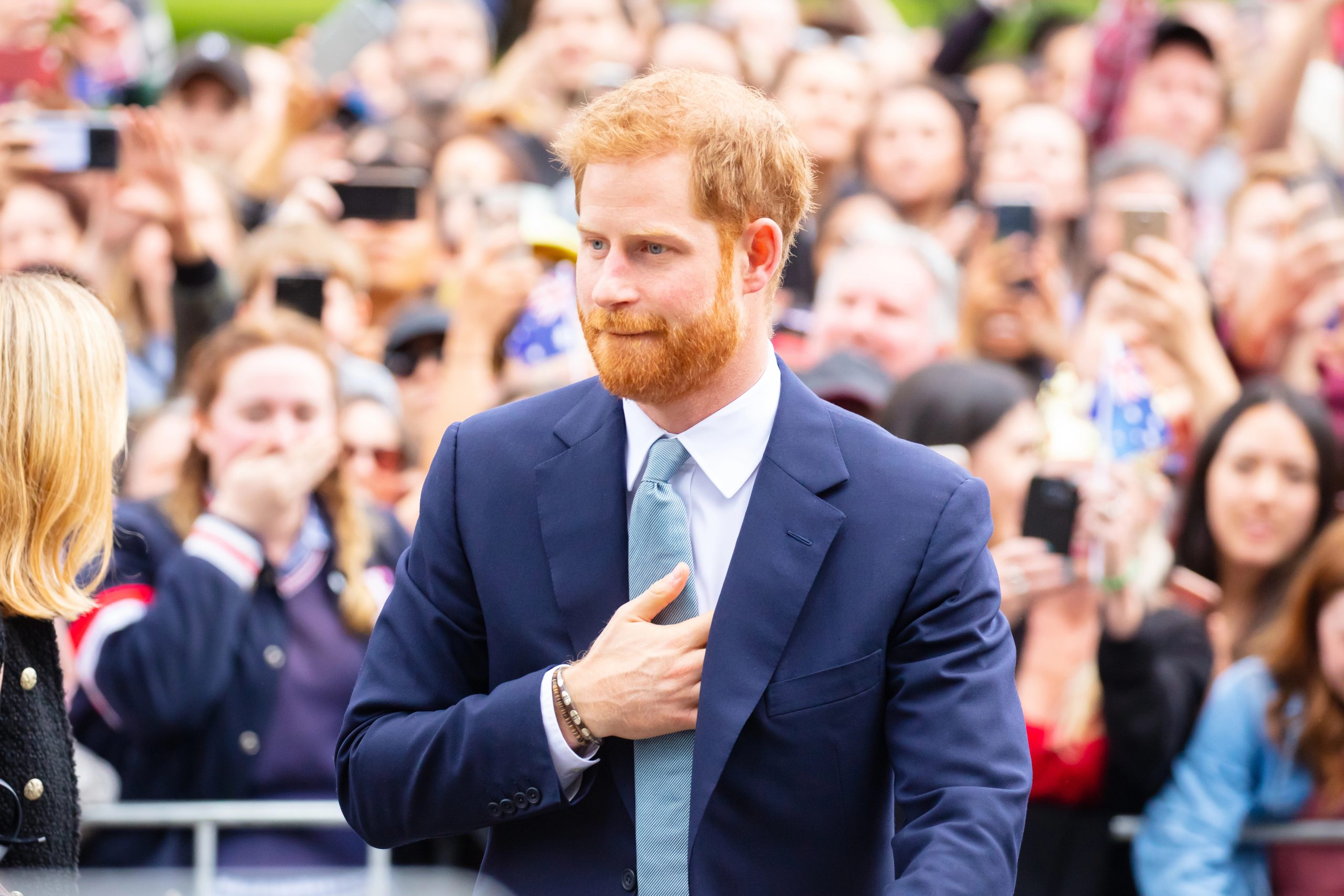
The timing has put the focus back on the House of Windsor’s unresolved family tensions. But much of the discussion around Harry’s visit remains rooted in newspaper reporting rather than public confirmation from the royals.
Prince William and Kate arrived at Balmoral as Prince Harry returned to the United Kingdom, with reports suggesting William and Kate were not delighted about Harry’s return. The overlapping developments have revived attention on the royal family’s response to Harry’s UK visit and whether any real change is underway in the brothers’ strained relationship.
Balmoral is a private setting with enormous symbolic weight for the Windsors, which is why reports of senior royals gathering there have fueled talk of discussions about Harry’s place in the family. Still, the central claims about private reactions and possible meetings have not been publicly confirmed by Kensington Palace, Buckingham Palace or Harry’s representatives.
Balmoral puts family tensions in focus
For the royal family, Balmoral is more than a seasonal destination. The Scottish estate has long been associated with private family time, major decisions and efforts to manage difficult moments away from the formal rhythms of London engagements.
That setting helps explain why William and Kate’s arrival drew attention so quickly after Harry’s return to the United Kingdom. Their presence does not itself establish that a meeting took place, or that one was planned, but it has encouraged a familiar question: can the family handle personal conflict privately while protecting the institution publicly?
The BBC, in a review of British newspaper front pages, reported that several papers framed the annual summer gathering as a potential discussion point for Harry’s return. Those accounts reflected competing interpretations, from suggestions of a possible route back toward family trust to arguments that there is no return to a working royal role for Harry and Meghan.
What is known about Harry’s visit
The key confirmed public development is that Prince Harry returned to the UK. Beyond that, details about his private schedule, contact with relatives and the purpose of any discussions require caution unless announced by those involved.
British newspaper coverage has treated the visit as a consequential moment because Harry has spent years living in California after stepping back from frontline royal duties in 2020. He and Meghan, the Duchess of Sussex, later built an independent life in the United States while continuing to attract intense interest in their relationship with the royal family.
Harry’s UK trips have often generated speculation about reconciliation. Yet a visit to Britain and a family reset are not the same thing. The family’s public statements, when they come at all, tend to focus on official engagements rather than private relationships.
Why William and Kate matter here
William is the heir to the throne, making his relationship with Harry central to every debate about the monarchy’s future. Kate’s position alongside William also matters because the Prince and Princess of Wales represent the core of the next generation of working royals.
Reports that the couple were unhappy about Harry’s return should be understood as accounts of an alleged private response, not a formal statement of their view. Neither William nor Kate has publicly addressed the reported reaction described in the headline.
That distinction matters. Royal stories can quickly turn anonymous briefings, tabloid framing and assumptions based on old disputes into accepted fact. The available reporting indicates sustained tension, but it does not provide a clear, on-the-record account of what William and Kate said or did in response to Harry’s trip.
A relationship shaped by old fractures
The brothers’ relationship has been under scrutiny since Harry and Meghan announced in 2020 that they would step back from senior royal duties. The so-called Sandringham summit that followed was widely seen as an attempt to establish the terms of their departure from working royal life.
Since then, public interviews, Harry’s memoir and disputes around security, media coverage and family communication have kept the divide in view. Occasional shared appearances connected to major family events have not produced visible evidence of a lasting repair.
That history is why a return to the United Kingdom can command such attention even when the hard facts are sparse. For some observers, any possible contact offers a hopeful opening. For others, the past several years suggest that practical boundaries around Harry’s non-working status are firmly set.
Reconciliation talk meets institutional reality
The strongest version of the reconciliation narrative is that private conversations could gradually rebuild trust, especially if family members agree to keep disagreements out of public view. Reports reviewed by the BBC indicated that some newspapers saw Harry’s return as a chance to seek the King’s trust again.
The opposing view is that personal contact, however welcome, would not alter the monarchy’s operating model. Harry is no longer a working royal, and William’s future role requires clarity about who represents the institution and who does not.
Those positions are not necessarily incompatible. A family relationship could improve without Harry returning to official royal duties. But any suggestion that he may rejoin the working monarchy would need clear public confirmation, not inference from a trip or a gathering at Balmoral.
What remains unconfirmed
No official statement has laid out whether Harry met William and Kate at Balmoral, what topics may have been discussed, or whether the visit will lead to further contact. The reported reaction attributed to William and Kate also remains unverified by the couple themselves.
For now, the clearest takeaway is that Harry’s return has reopened a public conversation the royal family has never fully escaped: how to balance private hurt, public duty and the future of an institution built around continuity.
Balmoral may be a meaningful backdrop, but it is not proof of a breakthrough. Until the principals speak or their offices confirm concrete plans, reports of a summit, a reconciliation or a lasting change in relations should be treated as possibilities rather than settled outcomes.
Leave a Reply