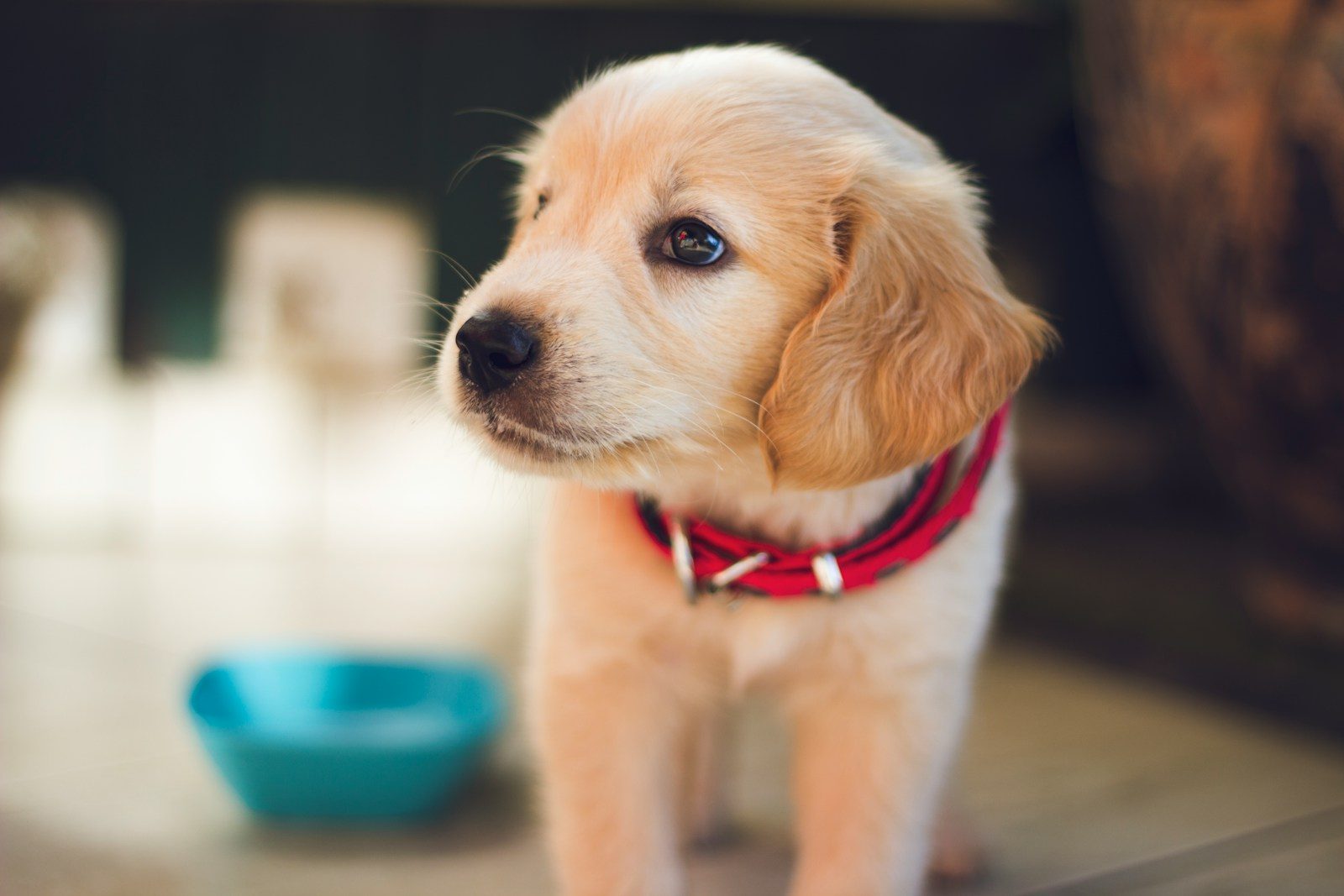
What looked like a simple puppy rescue became a wildlife rehabilitation story after a Detroit veterinarian identified Levi’s find as a young coyote. The animal, later named Kojo, was treated for a broken leg and prepared for a return to the wild.
Levi, a boy walking home from school in Detroit in May, found an animal he believed was a puppy lying alone by the road. He brought it home, and Levi and his family took it to a veterinarian, who revealed the animal was actually a baby coyote with a broken leg.
The young coyote was transferred to Detroit Animal Welfare Group, where it was named Kojo and received care intended to help it return to the wild. The surprise identification changed the rescue from a lost-puppy story into a rehabilitation effort.
A roadside find changed quickly
According to an account published by The Dodo, Levi did not leave the small animal alone after finding it on his walk home. He picked it up and brought it to his family, who sought veterinary help.
That decision produced the story’s central twist: the animal was not a domestic puppy. It was a baby coyote.
The distinction mattered immediately because Kojo was injured. The family learned the young coyote had a broken leg and needed help beyond the care they could provide at home.
The veterinarian identified a coyote
A coyote pup can be easy to mistake for a dog at a glance, especially when it is small, hurt and alone. In Levi’s case, the veterinary examination supplied the answer before the family made assumptions about how the animal should be cared for.
The report does not identify the veterinarian or provide clinical details about the examination. It does make clear that the family received the diagnosis before Kojo was moved into specialized care.
That sequence is the important part of the episode: Levi’s family acted on the visible emergency, then professionals established what animal they were dealing with.
Kojo needed a different kind of rescue
Detroit Animal Welfare Group, known as DAWG, took over Kojo’s care after the veterinary visit. The organization named him and treated the broken leg, according to the report.
DAWG representative Kelley LaBonty told The Dodo that Kojo’s leg healed as he grew stronger at the rescue. The goal was not permanent dependence on people, but a life back in the wild.
That goal is what separates the story from an ordinary pet-rescue narrative. A young animal may appear approachable or vulnerable, but its future care can look very different once it is identified as wildlife.
Growing up with other coyotes
LaBonty said Kojo was being raised alongside two other wild coyotes. The group planned to release all three together “another month or so” after the comments were given to The Dodo.
Keeping Kojo with other coyotes adds an important detail to the recovery story. His rehabilitation was not presented simply as healing a leg; it was also about placing him with animals of his own species before release.
The report does not state whether that release has since happened, where it would occur, or what further veterinary monitoring Kojo needed. Those unanswered details matter because the planned release, rather than recovery inside a rescue facility, was the intended outcome.
A family kept helping after rescue
Levi’s involvement did not end when Kojo left his family’s home. LaBonty said Levi’s family selected DAWG as the honoree for gifts connected to his bar mitzvah.
It is a small detail, but it shifts the focus away from the initial case of mistaken identity. Levi found an animal in trouble, while his family’s later support recognized the less visible work required to get an injured wild animal back on its feet.
There are two understandable reactions to a story like this. One is the immediate impulse to help an animal that appears stranded. The other is the caution prompted by the veterinarian’s finding: appearances can mislead, and professional identification can determine the safest next step.
The outcome was a second chance
Kojo’s story began with a Detroit student seeing what seemed to be a puppy on the side of the road. It ended, at least in the account available, with a healed leg, time with other young coyotes and a plan for release.
Levi’s quick response helped get the animal into care. The veterinarian’s identification and DAWG’s rehabilitation work gave that response a direction: helping Kojo become a wild coyote again, rather than treating him as a pet.
For all the surprise in the story, that is the lasting takeaway. The most successful rescue was not simply bringing Kojo home. It was getting him from the roadside to the people equipped to prepare him for the place he belonged.
Leave a Reply