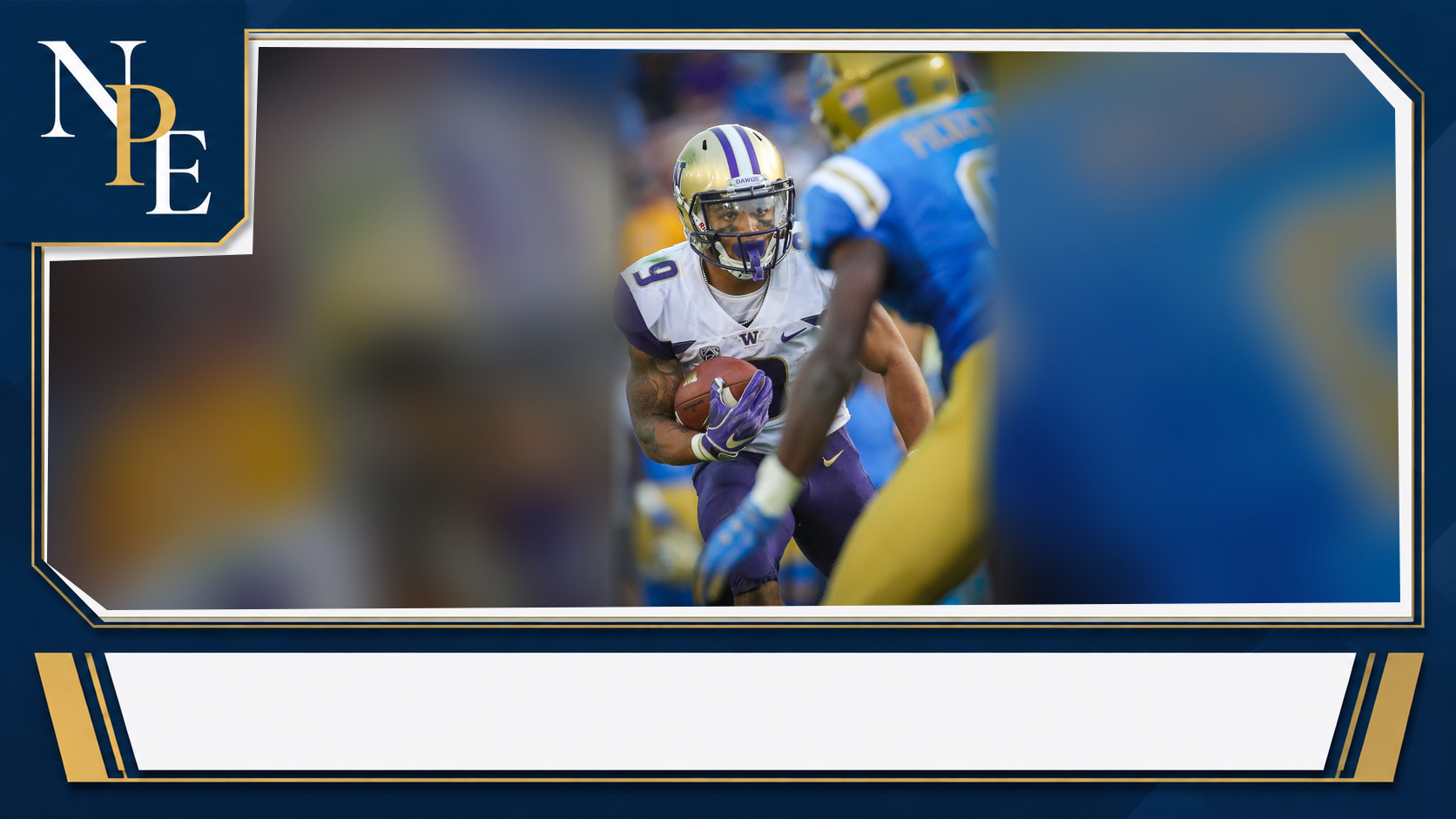
The former Miami Dolphins running back leaves the game at 29 after navigating the sharp turns of an NFL career: an early breakout, changing roles and a final season back in the Pacific Northwest. His message suggests football may remain part of his next chapter.
Myles Gaskin announced his retirement from the NFL after seven seasons as an NFL running back, bringing an end to a career that took him from the Miami Dolphins to the Los Angeles Rams, Minnesota Vikings and Seattle Seahawks. The 29-year-old’s decision matters because Gaskin’s path shows how quickly roles can change in pro football—and how a late-round pick can still build a career that lasts.
Gaskin shared the news in an Instagram message thanking family, coaches, teammates, teams and fans. He said he hopes to pass on what football gave him to younger players, a sign that retirement may not mean a complete departure from the sport.
Gaskin closes a seven-year run
The retirement announcement came in an Aug. 19 Instagram post, according to reports on Gaskin’s message. He reflected on playing football at every stage of his life, from youth football through high school, the University of Washington and the NFL.
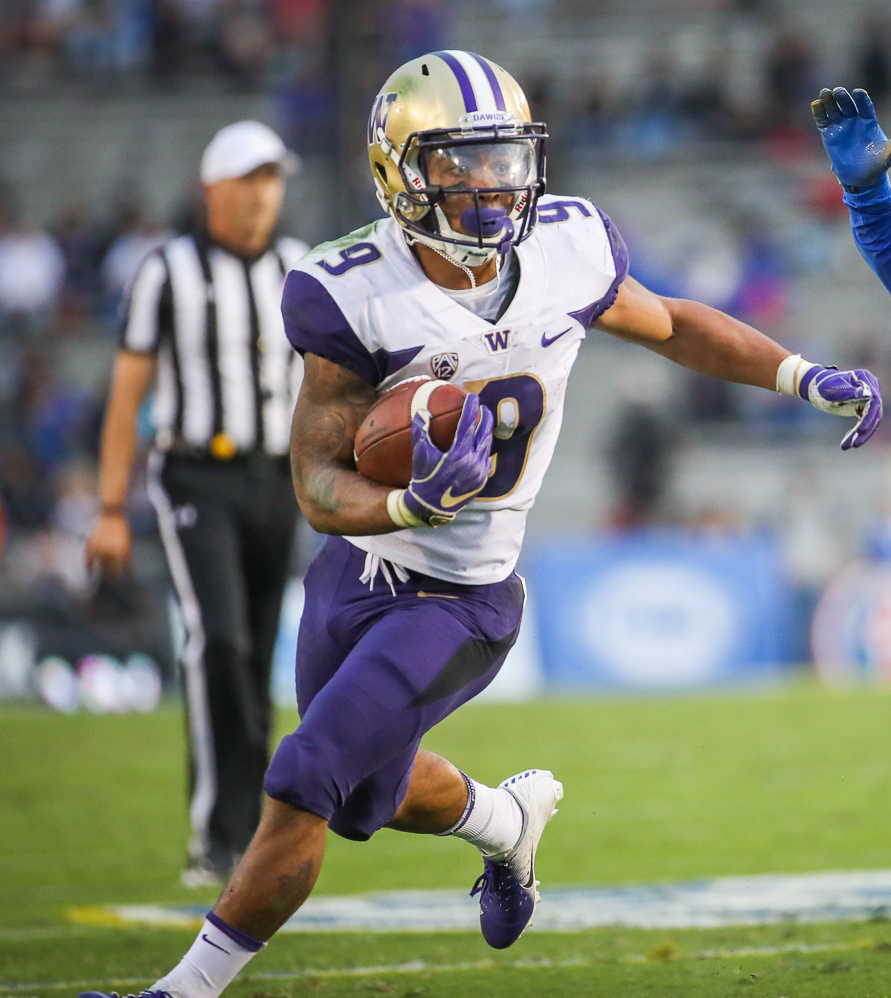
“Thank you, God,” Gaskin wrote, saying he had been able to live out his childhood dream of playing at the highest level. He also specifically thanked the Dolphins, where he spent the largest portion of his NFL career, and the Seahawks, the team with which he took his final snaps.
His wording carried the tone of a player making a deliberate exit rather than simply being left without a roster spot. That distinction can matter in a league where many players’ final games are not recognized as a retirement moment until much later.
Miami delivered his biggest opening
Gaskin entered the NFL as a seventh-round selection by Miami in the 2019 draft. Seventh-round picks often face a narrow route to a stable roster role, especially at running back, where teams routinely cycle through low-cost options.
He made the most of his opportunity with the Dolphins. In 2020, his second season, Gaskin produced a career-best 972 yards from scrimmage in only 10 games. The total showed both his versatility as a runner and receiver and the kind of production that can emerge when a reserve gets a real workload.
He followed with 846 yards from scrimmage and seven touchdowns in 2021. Those two seasons gave Gaskin a stretch of tangible NFL success that went beyond merely making a roster.
For Miami fans, that period is likely the clearest snapshot of his career: a player who was not drafted with major expectations but became a useful part of the offense when the team needed him.
A changing league changed his role
Gaskin’s career also illustrates the volatility of the running back position. Under new Dolphins coach Mike McDaniel in 2022, his role diminished sharply. He had 10 carries in four games before his time in Miami ended.
He split 2023 between the Rams and Vikings, appearing in three games without recording a touch. In 2024, he spent most of the year on Minnesota’s practice squad and appeared in five games.
Those later seasons should not erase his earlier production, but they provide important context for his retirement. NFL longevity is often measured not only by a player’s peak but by the ability to adjust when a team’s scheme, depth chart or roster priorities move in another direction.
Some observers will view Gaskin primarily through his productive Dolphins seasons. Others may see a player whose later movement among teams reflected the unforgiving math of the position. Both readings can be true: he had a meaningful peak, and he experienced the instability common to professional running backs.
Seattle gave him a homecoming
Gaskin concluded his career with the Seahawks, returning to the region where he starred for Washington in college. He made one appearance for Seattle and recorded three carries for six yards in a Week 13 victory over Minnesota.
Reports said Gaskin most recently won a Super Bowl with the Seahawks, adding a championship to a career that began with a late draft call and was sustained through multiple team changes. His thank-you message singled out Seattle for allowing him to take his final snaps “back at the crib,” underscoring the personal resonance of that stop.
That homecoming is a fitting detail in a career defined by persistence. Gaskin was a highly productive college runner at Washington, then spent years proving he could stay in the NFL despite the limited security typically offered to late-round backs.
His next football role is unclear
Gaskin did not lay out a specific post-playing plan in the retirement message. Still, he wrote that he intends to give the next generation of players the lessons football gave him.
That could point toward coaching, mentoring, training or another role around the game, but no formal next step has been announced. For now, the clearest fact is that his playing career is over after seven NFL seasons.
His departure also lands amid continuing debate around the running back position. The job demands heavy physical punishment, while players can see their roles shift rapidly because of injury, age, coaching changes or the arrival of younger teammates. Gaskin’s career does not settle that debate, but it is a concise example of its human side.
He leaves with more than a transaction history across four clubs. Gaskin turned a seventh-round chance into a breakout season, contributed through changing circumstances and exited with gratitude for the teams and people who kept his football dream alive.
Leave a Reply