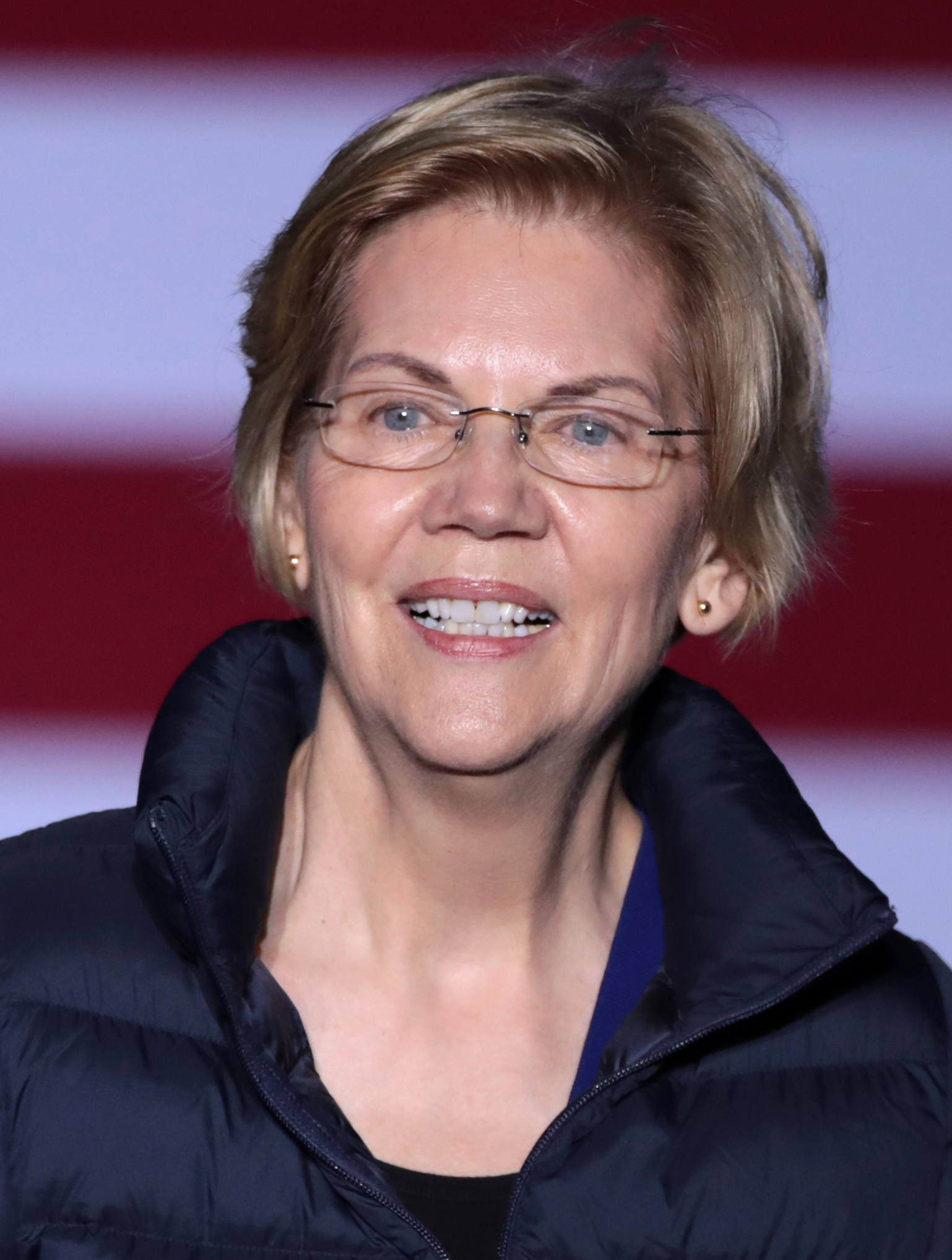
The fight is about more than a celebration fund. Warren is using the donations to argue that corporate money around a presidency can blur the line between civic support and political access.
Elizabeth Warren criticizes Donald Trump over an alleged pattern of corruption, citing $1 million inauguration donations from United Airlines and Toyota to Trump’s inaugural committee. The attack, reported by Benzinga and tied to corporate giving reported by the Financial Times, puts new attention on who funded Trump’s inaugural operation and why Warren says those donations are concerning now.
Warren’s argument is not simply that big companies gave money. It is that seven-figure checks from heavily regulated corporations can look like a bid for favor when the incoming president controls agencies, contracts and policy decisions that matter to those businesses.
The money Warren cites
The Financial Times reported that Donald Trump’s inaugural committee raised a record-breaking $240 million. In that reporting, United Airlines and Toyota were listed among major companies that each gave $1 million.
That scale is central to Warren’s criticism. A presidential inauguration is a public ritual, but the committees that pay for events, galas and related activities can become magnets for corporations and wealthy donors seeking proximity to power.
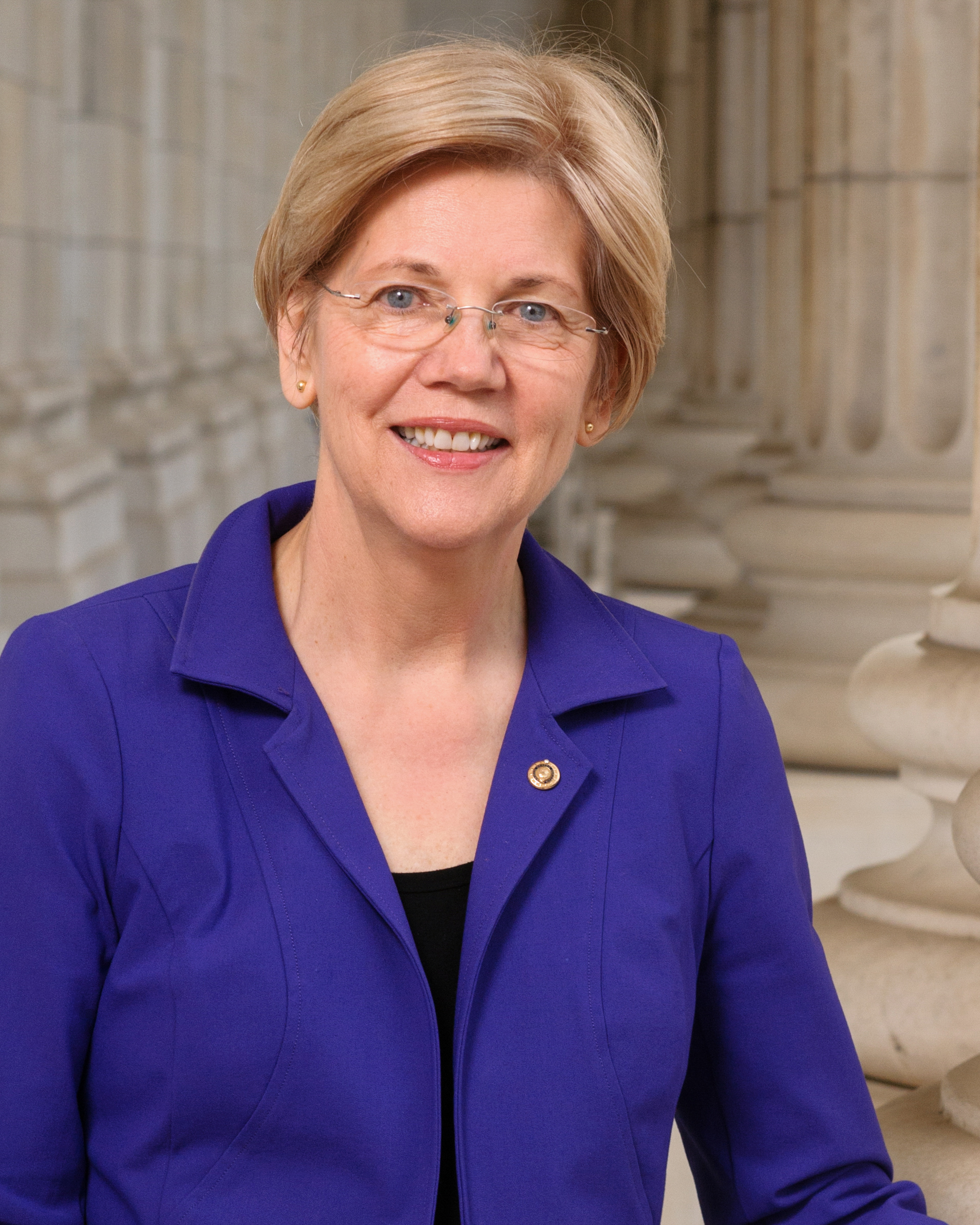
Warren, a Massachusetts Democrat who has built much of her national brand around anti-corruption and consumer-protection fights, is using those donations as evidence for a broader claim: that Trump’s political operation benefits from companies with business before the federal government.
The available reporting does not show that the United Airlines or Toyota donations were unlawful. Warren’s charge is about influence, access and the appearance of a pay-to-play system, not a publicly established criminal finding.
Why inaugural cash matters
Inaugural committees occupy an unusual space in American politics. They are not campaign committees asking voters to choose a candidate, but they still raise money around a president-elect at the exact moment corporate America is recalculating its relationship with the next administration.
That timing is what makes the money politically sensitive. A company does not need to ask for a specific policy in exchange for a donation for watchdogs and critics to see a problem. The concern is subtler: a large check can help open doors, signal loyalty or avoid becoming a target.
Corporate donors often describe such contributions as support for a national civic event, not an attempt to buy policy. Presidents from both parties have had inaugural fundraising operations supported by major donors, and corporate giving around inaugurations is not new.
Still, the bigger the fund gets, the harder it is to treat the donations as merely ceremonial. A $240 million haul is not just bunting, bleachers and ballrooms. It is a power map showing which companies wanted to be seen near the incoming administration.
Why these companies stand out
United Airlines and Toyota are not random names in Warren’s critique. They are large, highly visible companies whose businesses are deeply affected by federal policy.
Airlines are shaped by decisions on competition, consumer rules, airport infrastructure, safety oversight and labor policy. Automakers operate in a world of tariffs, emissions rules, fuel standards, electric-vehicle policy, safety regulation and trade negotiations.
That does not mean either company received or sought a benefit because of an inaugural donation. It does explain why their names carry political weight in a corruption argument. When regulated companies give seven figures to a president’s inaugural committee, critics see potential leverage on both sides.
For Warren, the concern is not only the individual donor list. It is the pattern she says it represents: major corporate players spending big at moments when access to the president and his advisers may be most valuable.
The other side of the argument
There is a fair counterpoint. Inaugural donations are disclosed, and companies can argue that taking part in a presidential transition tradition is different from funding a campaign or a super PAC attack ad.
Supporters of broad inaugural fundraising also tend to argue that big events cost real money, especially when an incoming administration wants a large public celebration. From that view, corporate donations reduce pressure on public funds and allow businesses to participate in a peaceful transfer of power.
But transparency does not settle the ethics question. A donation can be legal and still raise concerns if the donor has interests before the government. A contribution can be disclosed and still leave voters wondering what conversations happened away from the cameras.
The materials available for this story did not include responses from Trump, United Airlines or Toyota to Warren’s latest criticism. Without those responses, the public record is incomplete on how the companies justify the donations and whether they sought any meetings, policy discussions or recognition tied to them.
Warren’s broader political play
Warren has long tried to make corruption a pocketbook issue, not just a Washington process story. Her usual argument is that when big donors get better access, ordinary consumers, workers and small businesses can lose influence.
That framing matters here because the companies named in the dispute touch everyday life. Airline fees, flight cancellations, car prices, auto safety and trade policy are not abstract lobbying topics. They affect household budgets and travel plans.
By naming United Airlines and Toyota, Warren is also pushing the story beyond partisan outrage over Trump. She is inviting voters to look at the corporate side of the relationship: which companies wrote large checks, what they stood to gain from federal decision-making, and how much access money can buy even when no explicit deal is proved.
For Trump, the political risk is familiar. His critics have repeatedly argued that he mixes public office, private power and donor access too freely. His allies typically dismiss those attacks as partisan efforts to criminalize normal politics. The inaugural money gives both sides a simple, potent symbol.
What remains unanswered
The key unresolved issue is not whether United Airlines and Toyota were listed as major inaugural donors. The deeper question is what, if anything, followed the donations.
Useful answers would include whether company executives received special access to inaugural events, transition officials or policy advisers; whether they discussed pending regulatory issues; and whether any administration decisions later affected their businesses in unusual ways.
Those questions are difficult because influence rarely arrives with a receipt. Much of Washington works through relationships, invitations, calls and informal signals. That is why critics focus so heavily on the appearance of access, while defenders insist that appearance alone is not proof of corruption.
For readers, the clean takeaway is this: Warren is using $1 million donations from United Airlines and Toyota to Trump’s inaugural committee as a case study in how corporate money clusters around presidential power. The allegation is serious, but the evidence publicly described so far is about fundraising, access and ethics concerns, not a proven illegal exchange.
Leave a Reply