
The reversal shifts attention from an accused former Olympian to the government project itself. It also raises questions about how a visible problem at a national landmark became a criminal case.
Jeanine Pirro dropped the Lincoln Memorial Reflecting Pool vandalism case after prosecutors said the damage was caused by a botched installation, not a criminal attack on one of Washington, D.C.’s most visited landmarks. The Justice Department’s reversal dismisses the criminal case against an accused former Olympian and recasts the peeling liner at the Reflecting Pool as a public-works failure tied to the Trump administration’s handling of the project.
That is a sharp turn for a case built around a simple accusation: someone damaged a national monument. The new explanation points instead to flawed work, government oversight and the risks of moving too quickly from visible damage to criminal blame.
A vandalism case collapses
According to Reuters, the Justice Department said flawed installation work led the liner of the newly renovated Lincoln Memorial Reflecting Pool to peel. That finding undercut the premise of the vandalism case and led prosecutors to drop it.
Pirro, serving as the top federal prosecutor in Washington, had been tied to the case because it involved alleged damage at a marquee federal site in the capital. The Lincoln Memorial and its Reflecting Pool are not ordinary public property; they are civic symbols, protest backdrops and daily tourist destinations.
The dismissal does not mean the damage was imaginary. It means prosecutors no longer attributed it to the accused former Olympian as a criminal act. In a property case, that distinction is everything.
Once the government said the peeling came from a botched installation, the legal theory changed from vandalism to workmanship, contracting and project management. That is a very different kind of accountability.
Why the case was dismissed
A vandalism prosecution depends on more than proof that something was damaged. Prosecutors have to connect the damage to a person and show the required criminal intent under the relevant law.
The government’s revised account made that harder, if not impossible. If the liner peeled because it was installed improperly, the visible damage could not fairly be treated as proof that the accused person vandalized the Reflecting Pool.
That appears to be the core basis for dismissal: the government’s own explanation for the damage no longer supported the earlier allegation. Reuters reported that the Justice Department attributed the peeling to flawed work rather than vandalism.
For the accused former Olympian, the practical result is clear: the criminal case is over. For the public, the harder question is how the case reached that point before the installation explanation took over.
The project becomes the story
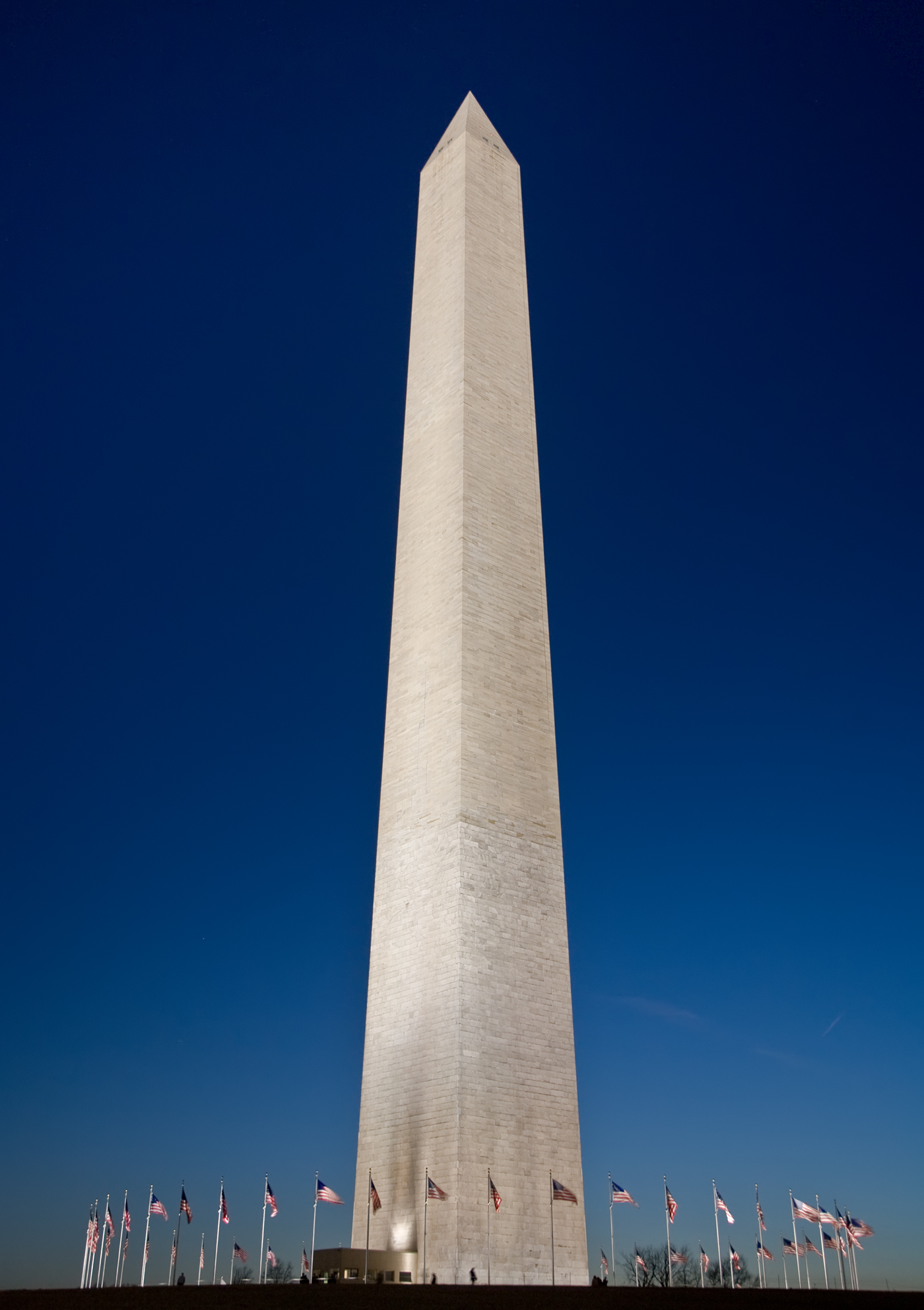
The Reflecting Pool sits between the Lincoln Memorial and the Washington Monument, where even minor defects can become national news. A peeling liner at that site is not just a maintenance issue; it is a visible failure in one of the country’s most photographed public spaces.
That is why the Trump administration’s handling of the Reflecting Pool project now matters. If the damage was caused by a flawed installation, attention shifts to who performed the work, who inspected it, who accepted it and how quickly officials understood the cause of the problem.
Public-works failures often disappear into technical language: liners, seams, substrates, warranties, remediation plans. But the consequences are not technical for taxpayers or visitors. A botched job can cost money, close access, damage public trust and trigger blame before the facts are settled.
The dismissal also changes the public narrative. Instead of a former Olympian accused of harming a landmark, the story now centers on whether the government properly managed a renovation at one of its most visible sites.
Pirro’s reversal cuts both ways
Pirro’s decision to drop the case can be read two ways. Supporters may see it as a prosecutor correcting course when the evidence changed. That is what prosecutors are supposed to do when a case no longer holds up.
Critics may see a different lesson: a high-profile allegation moved forward before the government fully understood what caused the damage. In that view, the dismissal is not just responsible cleanup; it is evidence that the original case was too quick to assign blame.
Both readings can be true at once. Dropping a weak or unsupported case is the right move. But a dropped case does not erase the consequences for the accused person, especially when the allegation involves vandalism at a national memorial.
It also does not answer whether the public was given a complete picture when the damage first surfaced. The shift from alleged vandalism to flawed installation is not a small correction. It is a different story.
What remains unanswered
The public record cited in reports leaves several important questions unresolved. The biggest is who bears responsibility for the flawed installation if that is now the Justice Department’s explanation.
- Who installed the Reflecting Pool liner?
- Who inspected and approved the work?
- Was the damage covered by a warranty or contract remedy?
- How much will repairs cost, and who will pay?
- When did officials first know the damage might not be vandalism?
Those questions matter because a criminal dismissal handles only one part of the episode. It ends the prosecution, but it does not necessarily resolve the condition of the pool, the quality of the work or the administrative decisions behind the renovation.
There may also be internal reviews, contractor disputes or repair plans that unfold separately from the criminal docket. For now, the key confirmed development is the Justice Department’s reversal: prosecutors no longer say vandalism caused the Reflecting Pool damage.
The lesson from the Reflecting Pool
The Lincoln Memorial Reflecting Pool case is a reminder that visible damage can create pressure for quick answers. At a landmark in Washington, D.C., that pressure is even stronger because the site carries symbolic weight.
But criminal cases require more than symbolism. They require a reliable account of cause, conduct and intent. When the government’s own explanation changes from vandalism to botched installation, the system has to stop and recalibrate.
The immediate outcome is the dismissal of the case against the accused former Olympian. The broader takeaway is more uncomfortable: a damaged public landmark may reveal as much about government project oversight as it does about any alleged misconduct.
For Pirro’s office and the Justice Department, the case is now closed on the criminal side. For the Reflecting Pool project, the central question has only shifted: if vandalism did not cause the damage, who allowed flawed work at a national landmark to become the public’s problem?
Leave a Reply