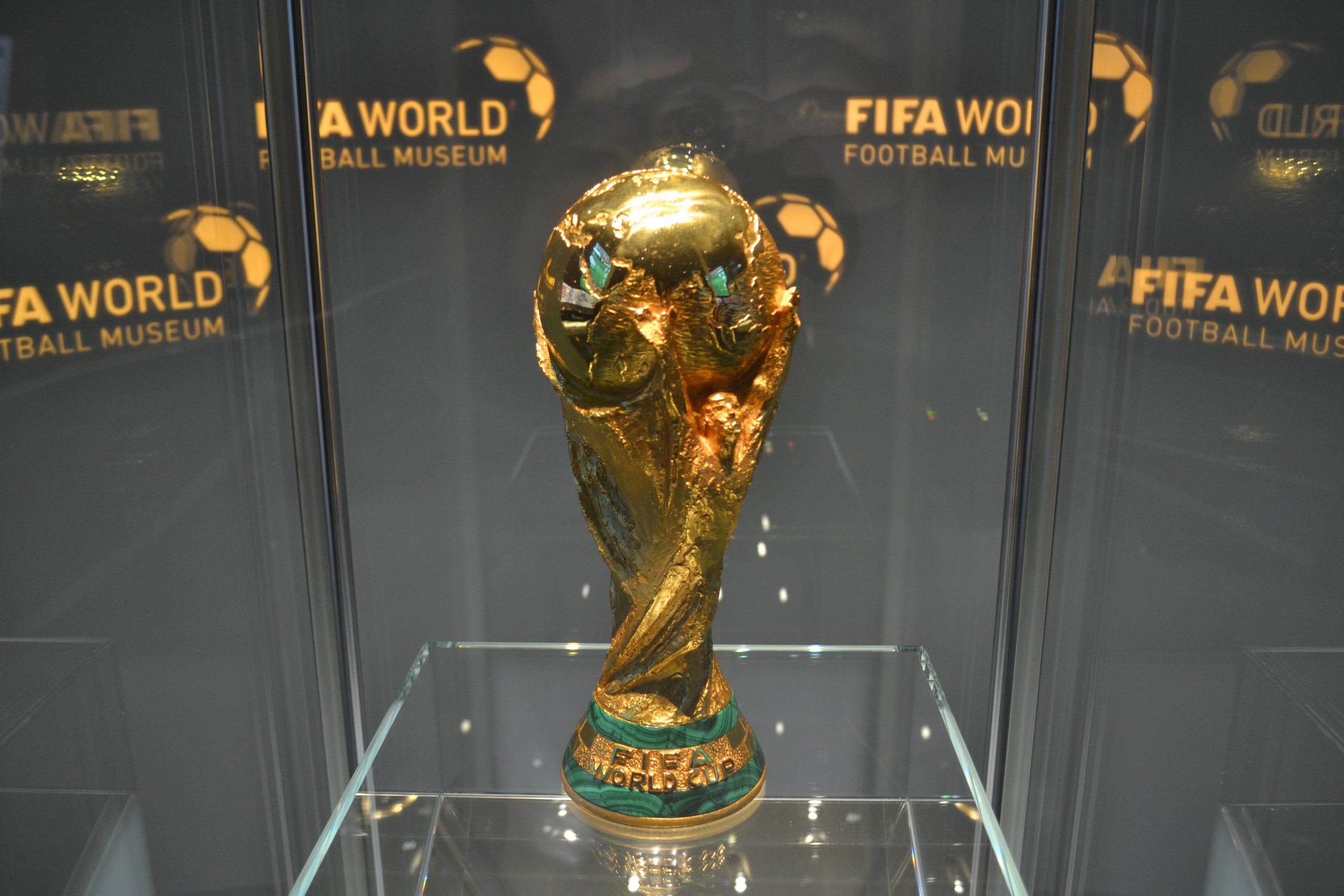
UEFA’s threat would put the sport’s most valuable international tournament at the center of a fight over ownership, governance and money. FIFA says its proposed commercial entity would benefit all 211 member associations, not hand football over to investors.
UEFA and its 55 member associations agreed on Thursday to boycott the World Cup and other FIFA competitions if FIFA’s plan goes ahead, after FIFA proposed on Tuesday selling stakes in the tournament’s commercial operation to private investors. The UEFA World Cup boycott threat is tied to a September 19 approval deadline for a plan FIFA says could unlock $4.2 billion for its 211 member associations.
The dispute matters because Europe supplies many of the World Cup’s biggest teams, players, broadcasters and commercial partners. UEFA says private ownership would put shareholder returns ahead of football; FIFA says nobody is selling football and argues the proposal would spread more of the sport’s commercial value around the world.
Europe draws a hard line
According to reporting by The New York Times’ The Athletic, the decision followed a virtual meeting of UEFA’s 55 national associations. UEFA later confirmed that it and its members had unanimously rejected FIFA’s proposal to transfer ownership interests in the World Cup and other FIFA competitions to private investors.

Its position is unusually stark. UEFA said no national team from its confederation would take part in FIFA competitions for as long as the proposals remain active, unless FIFA abandons them completely and gives binding assurances that it will not again open its governance or competitions to private ownership.
That wording makes this more than a negotiating tactic about the financial terms of one deal. UEFA is demanding a commitment about the future structure of global football’s commercial business.
A boycott on that scale would be difficult to imagine in practice, but it would also be impossible for FIFA to treat as routine opposition. A World Cup without European national teams would lose a central part of its sporting identity and global appeal.
What FIFA is proposing to sell
FIFA has said it wants to establish a new entity, FIFA Forward Enterprises, to run commercial operations tied to its marquee events, including the men’s and women’s World Cups and Club World Cups. FIFA itself would remain the global governing body and retain majority ownership.
The proposal calls for selling up to 21% of that new entity, with FIFA aiming to raise $4.2 billion. FIFA says the money could be released to member associations and made available from the start of 2027, if the plan receives the necessary backing by September 19.
The decision requires approval from a majority of FIFA’s 211 member associations as well as the FIFA Council. That means UEFA’s collective resistance is influential, but not by itself enough to settle the question under the voting structure described by FIFA.
FIFA president Gianni Infantino has framed the initiative as a way to convert football’s commercial success into broader support for sustainable and inclusive development. The underlying pitch is that football’s most valuable properties can help fund the game beyond its richest markets.
Why UEFA rejects private stakes
UEFA’s objection is rooted in what happens after investors become owners. The confederation argues that even a minority stake creates a permanent pressure to prioritize commercial return, potentially affecting decisions on scheduling, tournament formats and the international calendar.
Its argument is not that football should reject revenue. European football is itself a vast commercial industry. Rather, UEFA contends that the World Cup is a sporting legacy held in trust for players, teams and supporters, not an asset that current administrators can package for outside shareholders.
UEFA also criticized the process, saying a proposal of this magnitude had been developed without meaningful consultation. That complaint points to a separate struggle: not only whether the plan is wise, but whether FIFA gave confederations and national associations enough say before setting a rapid approval timetable.
For UEFA, governance is the central issue. Its warning is that investor ownership could shift the balance from institutions charged with serving football to owners whose legal and financial incentives are tied to maximizing a return.
FIFA says football is not for sale
FIFA has pushed back on the characterization of its plan. In a subsequent statement, it said it acknowledged and respected concerns voiced publicly but remained committed to consultation.
It said FIFA Forward Enterprises was proposed to give member associations meaningful ownership of football’s commercial opportunity in their own countries, without sacrificing either the spirit of football or FIFA’s governance. FIFA’s blunt response to critics: “Nobody is selling football.”
There is a real distinction FIFA is asking members to accept. Under its model, FIFA would not sell control of the governing body or a majority interest in the new commercial entity. Supporters could argue that a capped minority stake is a financing tool, not a handover of the World Cup.
Critics, including UEFA, see that distinction as inadequate. Their concern is that minority investors still acquire rights, expectations and leverage that can outlast the initial cash injection. The clash is therefore about the meaning of ownership as much as the percentage being sold.
Other regions add pressure
UEFA is not the only confederation voicing resistance. Concacaf, which represents North, Central America and the Caribbean, said it rejected the proposal to sell stakes in the World Cup to private investors after its 41 members met to discuss it.
That does not automatically create a unified anti-FIFA bloc across world football. Each of FIFA’s member associations will weigh the potential funding against concerns about control, and FIFA has stressed that no single organization speaks for all 211 members.
Still, Concacaf’s position matters because the debate cannot easily be dismissed as a European attempt to preserve influence. The plan concerns a global competition, and its backers will need to persuade associations that investment can be structured without weakening the sport’s public-interest obligations.
The tension also arrives at a sensitive time for FIFA’s calendar. The next World Cup is the women’s tournament in Brazil in 2027, followed by the men’s World Cup in Spain, Portugal and Morocco in 2030. European non-participation would affect both events.
The deadline is only one step
September 19 is the stated target for approval, not necessarily the final word on this dispute. The immediate question is whether FIFA can secure the votes needed for the new entity while facing public opposition from UEFA and Concacaf.
Just as important is whether FIFA offers changes that address the objections: tighter limits on investor rights, clearer protections for competition governance, a slower consultation process, or a different way to raise development funding. The available reporting does not establish that any such compromise is under discussion.
UEFA’s ultimatum leaves little room for a cosmetic adjustment. Its statement calls for the proposal to be abandoned in its entirety and for binding assurances against future private ownership. FIFA, meanwhile, maintains that the plan is meant to serve its worldwide membership.
For now, the proposed boycott is a warning rather than a confirmed withdrawal from a scheduled World Cup. But it has exposed a fundamental fault line: whether football’s largest competitions can seek private capital without changing whom they are ultimately designed to serve.
Leave a Reply