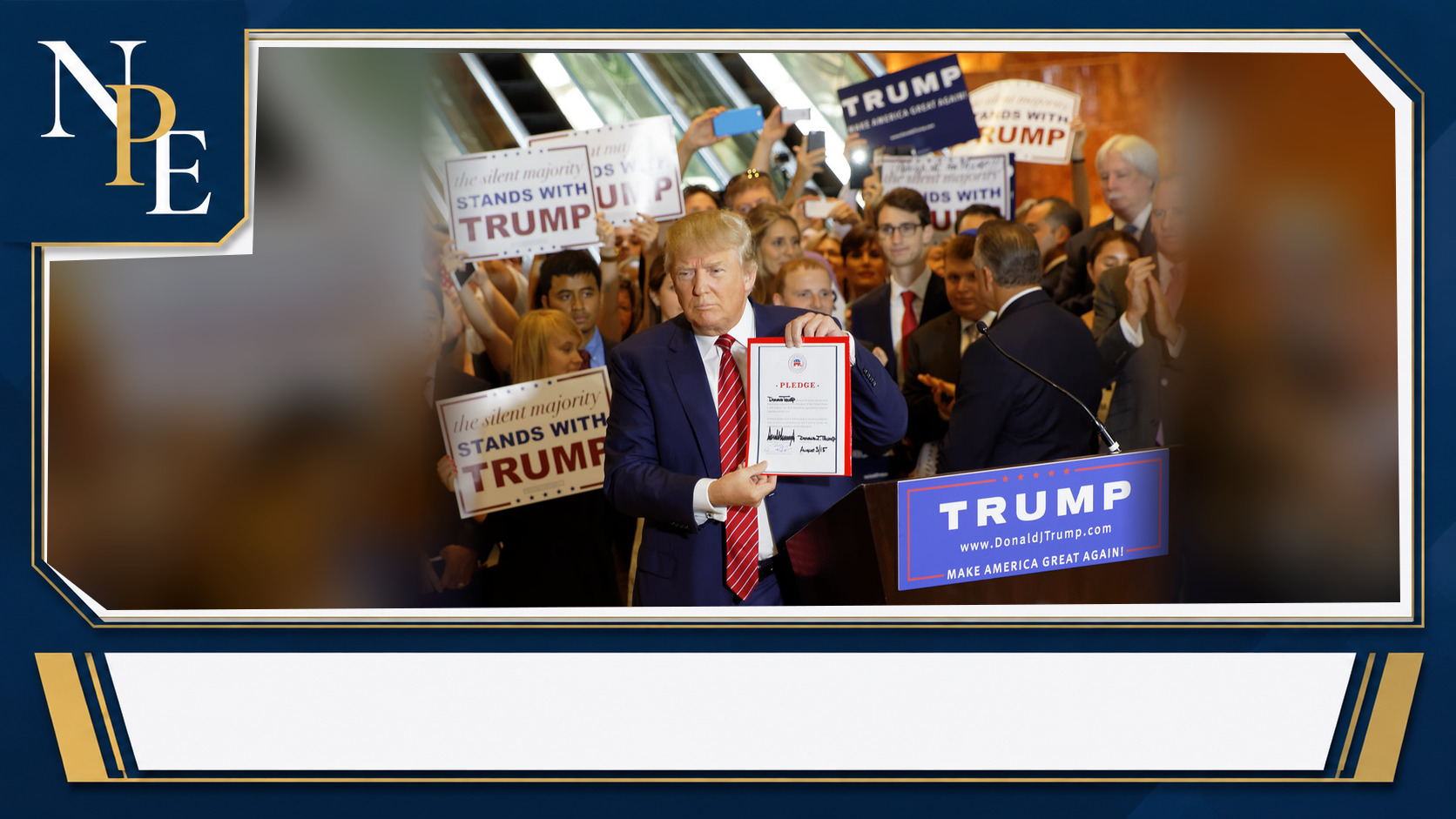
The proposed tariffs could affect a deeply integrated North American supply chain, from vehicles and parts to steel used by manufacturers. Key details, including the precise product coverage and Canada’s response, remain unresolved.
Donald Trump announced 50% tariffs targeting Canadian automotive imports and Canadian steel imports, a new escalation in the U.S. trade fight with Canada. Trump said the higher tariffs would begin Jan. 1, according to reporting by The Washington Post, after trade negotiations between the two countries broke down.
The announcement matters because Canadian vehicles, auto parts and steel are woven into U.S. manufacturing supply chains. A 50% tariff may be intended to pressure Canada, but its real-world effect will depend on which products are covered, whether exemptions apply and how Canada chooses to respond.
Trump raises pressure on Canada
Trump’s announcement signals a sharper turn in a dispute that had already produced multiple U.S. tariff actions and Canadian countermeasures. The stated aim, according to the White House’s earlier Canada tariff fact sheet, is to address what the administration calls discriminatory treatment of U.S. goods.
The White House has pointed to Canadian restrictions and quotas affecting U.S. exports, including autos, alcohol and dairy. It said Canadian imports of U.S. motor vehicles fell by about 22%, or $5.6 billion, from April 2025 through March 2026 compared with the same period a year earlier.
Canada’s perspective is likely to be substantially different. Canadian officials have previously argued that tariff escalation hurts workers and businesses on both sides of the border, particularly where production does not stop neatly at the international boundary.
Why autos are unusually exposed
The auto industry is a difficult place to impose broad tariffs because a single vehicle can cross the U.S.-Canada border multiple times while components are stamped, machined, assembled and shipped to final plants. A tariff on a finished vehicle is one issue; duties that reach parts, components or steel inputs can ripple far more widely.
That creates a tension at the center of Trump’s policy. Tariffs can make imported goods more expensive and may encourage companies to add U.S. production. But manufacturers can also face higher costs for inputs they need immediately, especially when comparable domestic supply is limited or contracts have already been set.
Those costs may be absorbed by suppliers, passed to automakers, reflected in vehicle prices or spread across future investment decisions. Which outcome dominates depends on the eventual tariff rules rather than the headline rate alone.
The steel question needs clarity
Steel is central to the announcement, but it is also where the available public descriptions leave important questions. The White House’s July fact sheet on separate 50% Canada tariffs said those Section 338 measures would not apply to products already subject to tariffs under Section 232.
That matters because steel has been a major focus of Section 232 trade policy. The later reporting that Trump would impose higher tariffs on Canadian vehicles and steel beginning Jan. 1 indicates an additional or revised action, but the public material supplied does not spell out how the new plan would interact with existing steel measures.
Until an official proclamation, tariff schedule or product list is published, it is not possible to tell precisely what “steel imports” means in practice. It could refer to specific steel products, steel-containing goods, a changed tariff rate, or a policy that operates alongside existing duties.
That distinction is consequential for manufacturers. Steel is not only sold as a raw material; it is embedded in cars, appliances, machinery, construction materials and countless industrial components.
Canada may weigh a response
Canada faces a familiar but difficult choice if the plan moves forward: respond with countertariffs, seek negotiated exemptions, challenge the action through trade channels, or combine those approaches. Retaliation can increase political pressure in the United States, but it also raises costs for Canadian buyers and companies that rely on U.S. goods.
The White House has framed its prior actions under Section 338 of the Tariff Act of 1930, which gives a president authority to respond when another country is found to disadvantage U.S. commerce. Its July fact sheet said the administration’s 50% Canada tariffs would apply even to covered goods that qualify under the U.S.-Mexico-Canada Agreement, or USMCA.
That approach is significant because USMCA was designed to provide stable rules for North American trade. Broad use of tariffs outside the agreement’s ordinary duty-free framework could make companies less certain about where to source, assemble and invest.
What to watch before Jan. 1
The Jan. 1 start date reported by The Washington Post gives businesses a target, but not yet a complete operating rulebook. The next meaningful developments will be the legal vehicle for the tariffs, the list of covered imports, the treatment of products already facing duties and any carve-outs for manufacturers.
- Product scope: Whether the tariffs apply to finished vehicles, parts, particular steel categories, or steel-containing products.
- Tariff overlap: How the new policy would work with existing Section 232 tariffs and USMCA treatment.
- Supply-chain exemptions: Whether companies can obtain relief for materials or components unavailable in sufficient U.S. quantities.
- Canada’s response: Whether Ottawa pursues talks, legal action, countertariffs or a combination of measures.
Trump’s 50% tariff announcement puts a clear political marker on the U.S.-Canada dispute. The harder task comes next: translating that rate into enforceable rules without inflicting unintended damage on the North American industries the policy is meant to reshape.
Leave a Reply