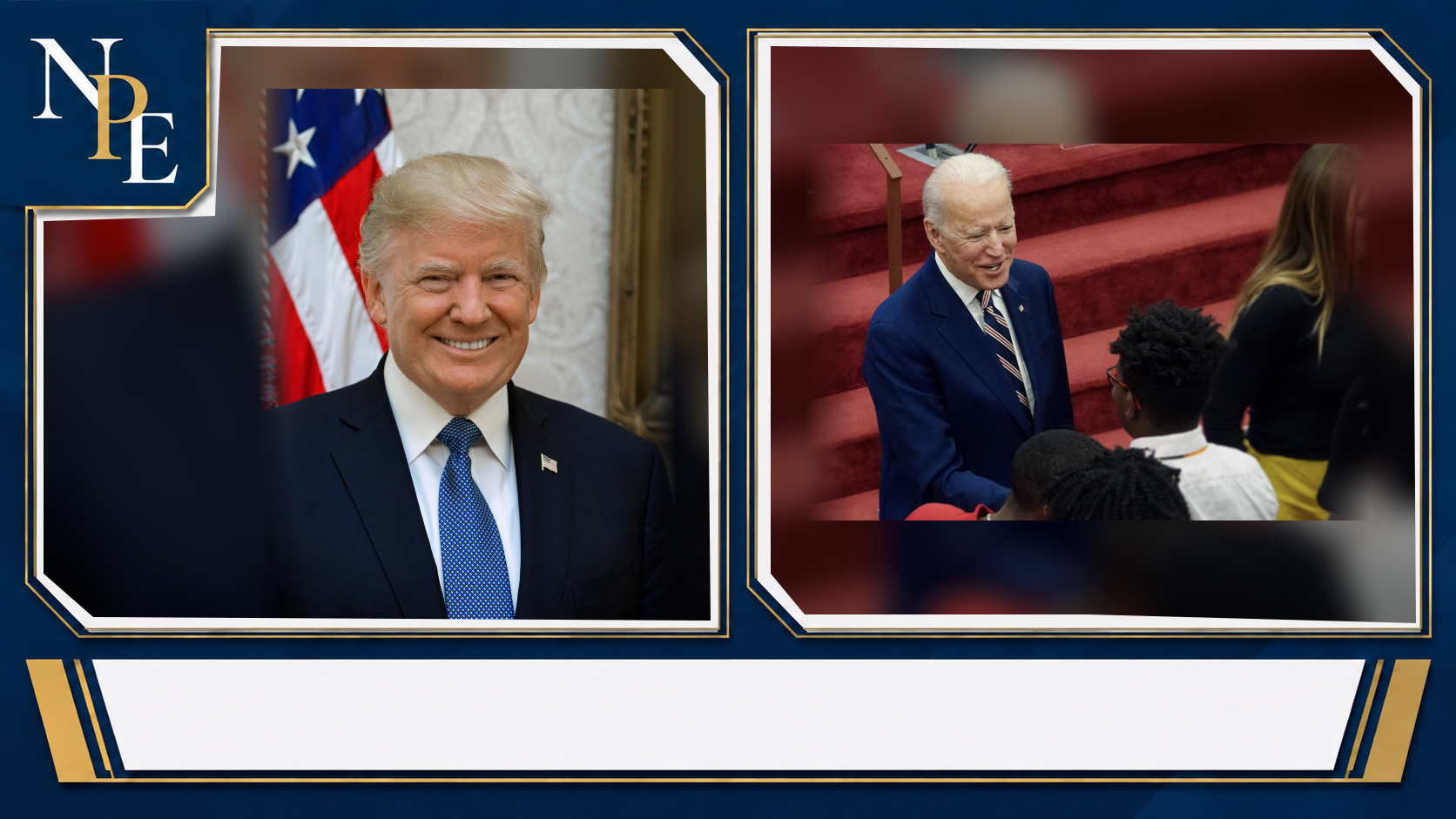
The economy is rarely shaped by one president or one policy. But as voters decide who is responsible for prices, jobs and household pressure, Donald Trump’s role in today’s economy is becoming harder for Republicans to separate from their case against Joe Biden.
The GOP is blaming Biden for the economy, arguing that Joe Biden’s presidency left Americans with lasting affordability problems. But Donald Trump is undermining that message as his own economic choices become part of the public debate, and as Trump adds economic problems that Republicans must explain rather than simply assign to Biden.
That is the central tension in Republican economic messaging: voters can hold onto memories of high prices while also judging the president in office on what happens next. The question is not whether Biden’s record can be criticized; it is whether the GOP can keep making Biden the sole economic villain once Trump’s decisions shape the costs and uncertainty people see now.
Economic blame has a shelf life
Presidents inherit conditions they did not create. Inflation, interest rates, supply chains, global conflicts, consumer demand and business investment all move on timelines that do not neatly match an election calendar.
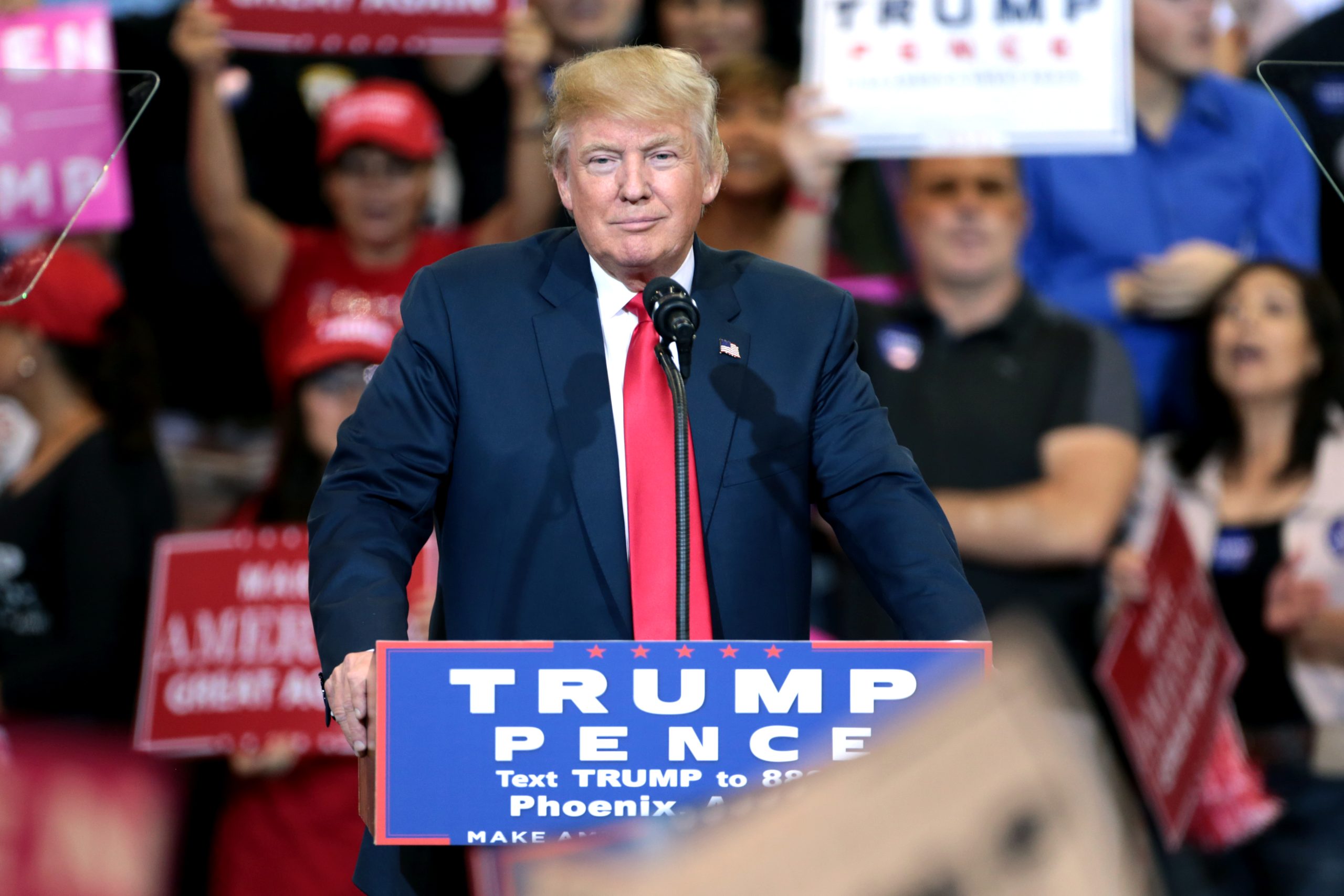
That gives both parties room to make a case. Republicans can point to the inflation surge that occurred during Biden’s term and to the fact that many households still feel squeezed by the cumulative rise in prices, even when the pace of inflation slows.
Democrats, meanwhile, can argue that a president cannot endlessly campaign against an economy he now oversees. Once policy changes are announced, markets react, businesses plan and consumers adjust their expectations. Political responsibility begins to move with the office.
Trump’s decisions enter the equation
The current debate is particularly difficult for the GOP because Trump’s agenda is itself an economic event. Trade policy, tariff threats or new tariffs, and the handling of international tensions can affect company costs, supply decisions and consumer prices.
That does not mean every increase in a household bill can fairly be traced to the White House. It does mean the simple line that Biden alone is responsible becomes less persuasive when Trump’s policies may alter the same prices Republicans have made central to their argument.
CNN’s reporting on the political dispute points to this collision: Republicans are still trying to capitalize on Biden-era economic dissatisfaction while Trump’s actions increasingly give Democrats a current record to scrutinize.
Prices matter more than abstractions
Official economic data can show growth while families still feel unsettled. The Bureau of Economic Analysis reported that personal income rose 0.2% in June 2026, disposable personal income also rose 0.2%, and real consumer spending increased 0.4%.
Those figures describe continued spending and income gains, not a universally comfortable economy. The same BEA release said the personal consumption expenditures price index was 3.7% higher than a year earlier in June, while the index excluding food and energy was up 3.3%.
For voters, the distinction matters. A lower monthly inflation reading does not roll prices back to where they were before a period of rapid increases. Someone paying more for groceries, rent, insurance or borrowing may reasonably feel that the economy remains difficult, regardless of broader indicators.
Republicans have a real political opening in that gap between aggregate data and household experience. But it is an opening that can narrow if Trump’s policies are perceived as increasing costs or uncertainty.
Tariffs create a messaging test
Tariffs are especially revealing because they can be presented in two different ways. Supporters see them as leverage against foreign competitors and a tool for encouraging domestic production, protecting industries or reshaping trade relationships.
Critics say tariffs can raise costs for importers and manufacturers that rely on foreign inputs, with some of those costs potentially reaching shoppers. The real-world effect depends on the product, the country involved, the scale of the policy and how businesses respond.
That leaves Republicans with a harder assignment than a standard anti-Biden argument. They must persuade voters that any short-term cost or disruption is justified by a larger economic benefit, while defending the claim that their party is better positioned to lower everyday costs.
- The GOP case: Biden’s term left an affordability problem that has not disappeared.
- The Democratic case: Trump now owns the consequences of his trade and economic decisions.
- The voter test: whether promised gains show up in paychecks and prices quickly enough to outweigh new pressure.
Voters may assign shared responsibility
Political messaging often assumes voters will choose one person to blame. In practice, they may assign responsibility across several actors: a prior president, the current president, Congress, the Federal Reserve, corporations and global events.
A Reuters-Ipsos poll cited in CNN’s report found majorities saying Trump would bear more responsibility for major economic problems. Polling is a snapshot rather than a forecast, and responses can change rapidly with new data, prices or policy announcements. Still, it signals that the public may be willing to judge Trump on his own record rather than only through comparison with Biden.
That is a significant shift in campaign logic. The GOP does not need voters to absolve Biden in order to win an economic argument. It does need a credible explanation for why conditions have improved, stalled or worsened under Trump.
The argument will turn on ownership
The strongest Republican message may be a more nuanced one: Biden’s policies contributed to problems that took time to develop, while Trump’s agenda is intended to address them. That argument acknowledges the handoff without pretending the current administration has no agency.
The risk is that nuance is less powerful than a clean blame story. If prices rise in sectors touched by tariffs, or if businesses and consumers pull back because of uncertainty, Democrats will have a straightforward response: Trump’s choices are affecting the economy now.
What remains unclear is how quickly voters will see tangible results from Trump’s agenda and which economic measures will dominate public perception. Income and spending data show activity is continuing, but the political verdict will likely hinge on a more personal measure: whether Americans feel that life is becoming more affordable.
For both parties, that makes the economy less a debate about the last administration than a running test of who can credibly claim responsibility for the next one.
Leave a Reply