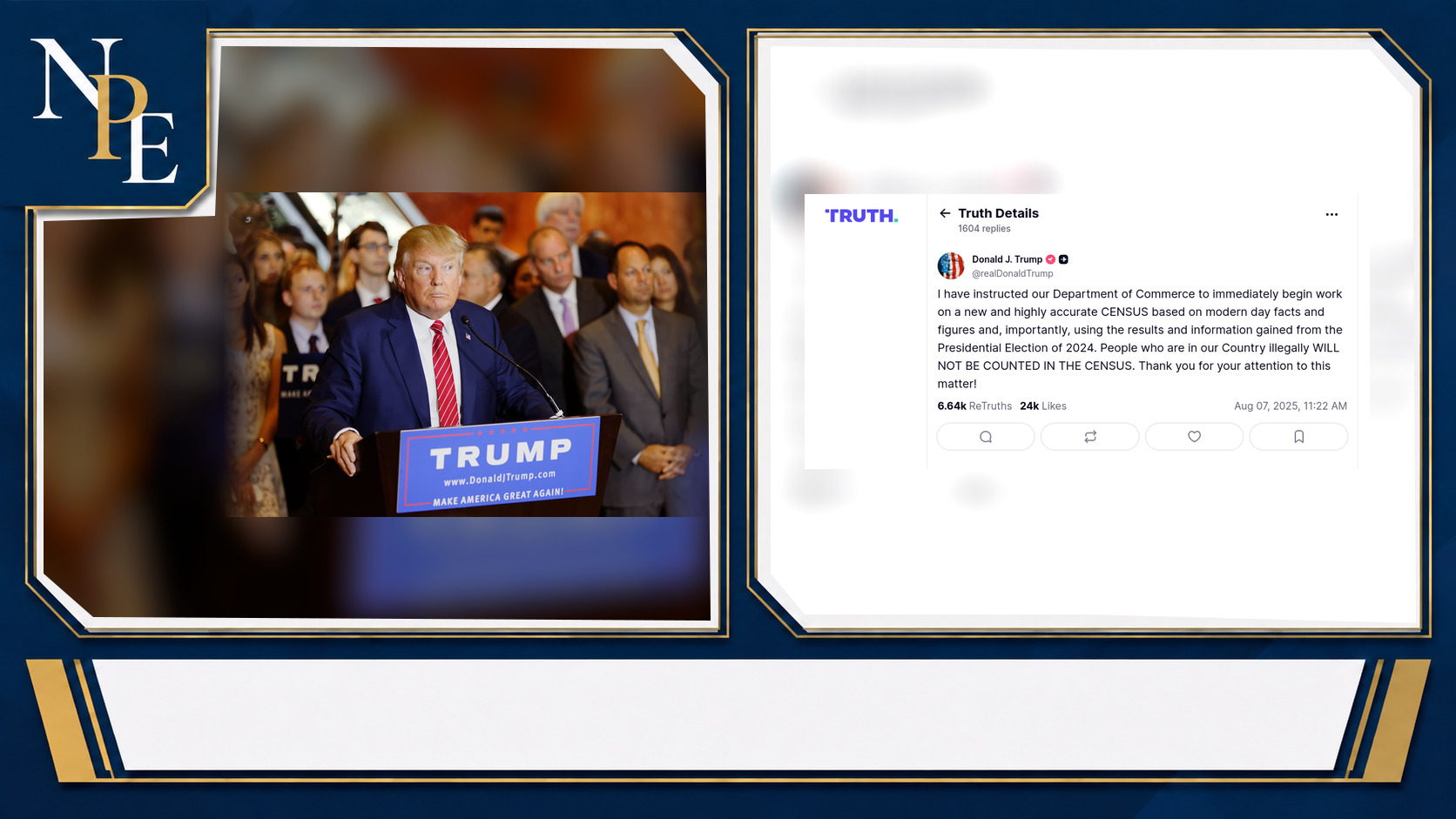
A premium data service tied to President Donald Trump’s social media posts has put a price on speed in markets where seconds can matter. The bigger issue is whether official-looking announcements should be available early to paying firms.
Donald Trump is facing criticism over paid early access to his Truth Social posts through a service that charges trading firms up to $100,000 per month. Critics have called the arrangement corrupt and described Trump as a grifter, while the central unanswered question is who is paying for access that could deliver market-sensitive posts before the wider public sees them.
Trump Media & Technology Group’s Truth API has triggered the backlash because Trump’s posts can move markets or signal potential shifts in economic policy and foreign affairs. The company says the product provides rapid access to publicly available Truth Social data, but critics argue that selling a timing advantage tied to a sitting president raises unusually serious ethical and legal questions.
A price on milliseconds
According to NPR, Trump Media began marketing a premium Truth Social feed to traders and investors, including access to the president’s posts, with plans for the service to begin on a Saturday in early August 2026. Its highest-priced tier costs up to $100,000 a month.
The product is designed for an industry where speed has real value. High-frequency trading firms use technology to act on information fractions of a second ahead of competitors; even a slight edge can shape prices before ordinary investors have had time to react.
That does not mean every Trump post is trading material. Many are political commentary, personal messages or campaign-style rhetoric. Yet Trump has repeatedly used Truth Social to discuss tariffs, economic plans, companies, diplomatic tensions and other topics that investors may regard as relevant.
Why Trump posts carry weight
Financial markets have long reacted to remarks from presidents, central bankers and senior policymakers. A post suggesting a new tariff, a change in trade negotiations, an enforcement action or a shift in international relations can affect individual stocks, currencies, commodities and broader indexes.
The concern is sharper here because the content comes from the president himself and is linked to a company in which he remains the largest shareholder through a trust controlled by Donald Trump Jr., according to regulatory filings cited by NPR. More subscribers could therefore benefit the Trump family financially.
Critics see that overlap as the heart of the problem: Trump’s public office gives his statements unusual economic significance, while a business connected to him is selling earlier delivery of those statements. Supporters of the service can counter that data companies routinely charge clients for fast feeds and specialized technical access.
The legal dispute is unsettled
Renée Jones, a Boston College law professor and former senior Securities and Exchange Commission official, told NPR that the arrangement appears to raise insider-trading concerns if paying customers receive potentially market-moving information before everyone else.
Jones pointed to federal rules against using nonpublic information in ways that provide traders an unfair advantage, as well as the STOCK Act’s restrictions on government officials trading on privileged information. Her position is an expert legal assessment, not a finding by a court or the SEC.
Trump Media spokeswoman Shannon Devine rejected the insider-trading characterization. She told NPR that Truth API gives customers the fastest way to ingest publicly available Truth Social data and argued that critics were inventing a new theory of insider trading.
That difference matters. The company’s argument turns on the idea that the posts are public once issued. Critics focus on whether providing select customers an advance view of a president’s statements transforms the practical meaning of “public,” particularly when those statements may affect markets.
Lawmakers seek an SEC review
Democratic Sens. Elizabeth Warren of Massachusetts and Adam Schiff of California have asked the SEC to investigate the product. In a letter reported by NPR, they called the service an abuse of presidential office for personal benefit and said it could undermine market integrity.
The SEC declined to comment to NPR, so there is no public indication in that report that the agency has opened an investigation or reached a conclusion. A request from lawmakers is not proof of wrongdoing.
Trump Media dismissed the senators’ intervention as partisan pressure directed at a publicly traded company. The competing accounts leave the core policy issue unresolved: whether current securities rules adequately address paid, early delivery of communications from an elected official.
Who is buying the access?
Trump Media said customers had started signing up, NPR reported. But the report did not identify the firms paying for the service, and major finance-industry figures contacted by NPR either declined to comment publicly or said they would not use it.
That lack of transparency has intensified the public reaction. If the buyers are major trading firms, critics worry that sophisticated investors could acquire an edge unavailable to pension holders, retirement savers and other everyday market participants.
There is also a practical uncertainty: how much value can a paid feed deliver if other traders, journalists and automated systems monitor Trump’s public account closely? Firms could decide the reputational, legal or political risk outweighs any possible speed advantage.
The issue is bigger than one app
Truth API spotlights a larger tension in modern political communication. Presidents can now announce consequential ideas directly on platforms they use personally, without a formal press release, a scheduled briefing or the traditional filters of government communications.
Paid data feeds are common in finance, and Trump Media is likely to argue that it is offering a familiar commercial service. The unusual feature is the source of the information: posts from a sitting president whose words can shape expectations about government action.
For now, the most important facts remain clear and limited. Trump Media is offering early Truth Social access for as much as $100,000 a month; it says the data are publicly available; critics and some securities experts see substantial ethical and legal risks; and the identities and motivations of paying customers have not been publicly established in the reporting.
Leave a Reply