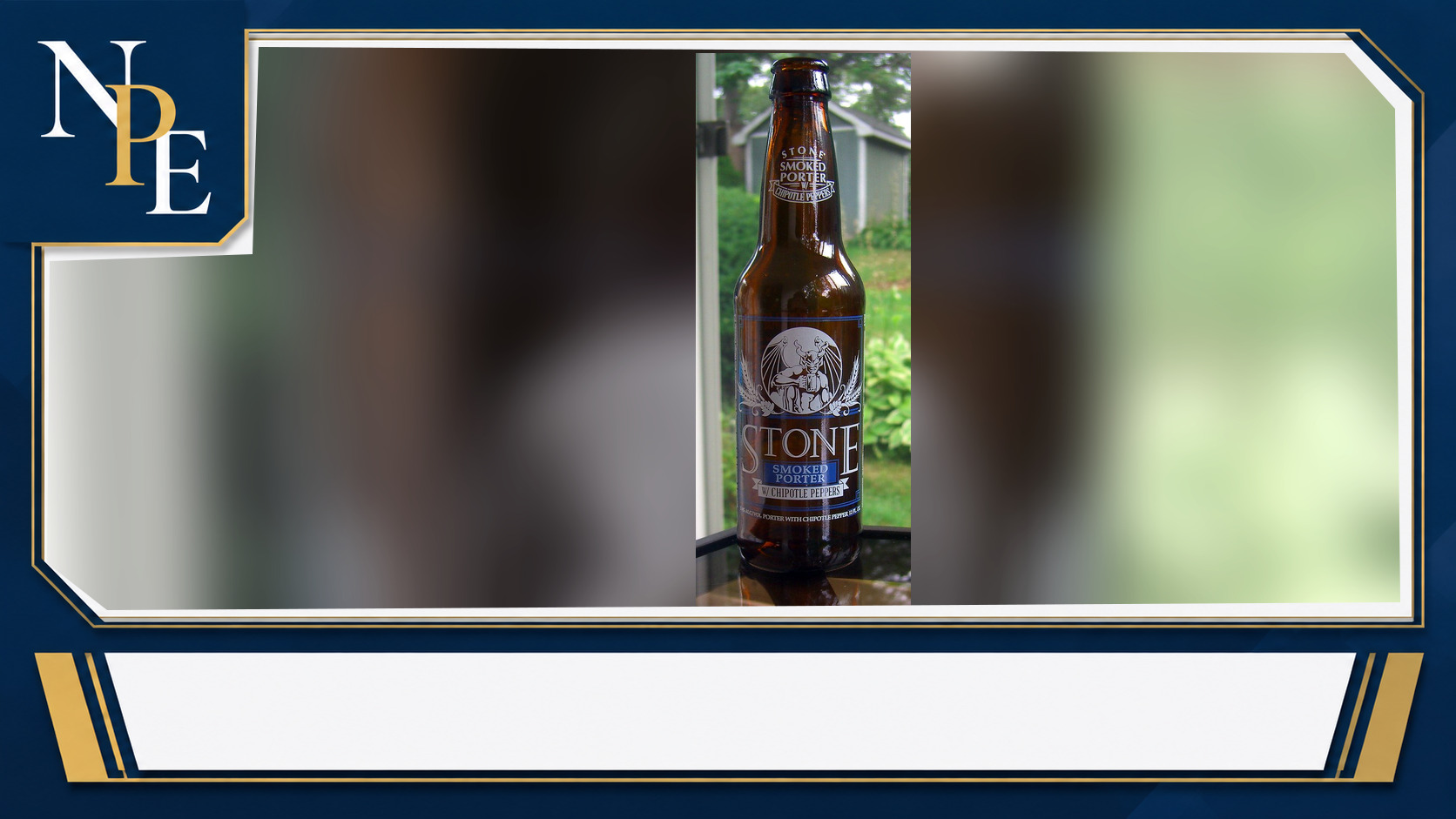
Stone Brewing beer is expected to remain on shelves, but the ownership deal has a far different outcome for the Escondido workforce and the city’s longtime brewery campus. The layoffs show how a brand can survive while the place that built it is left behind.
Former Stone Brewing employees in Escondido were laid off as Stone Brewing’s new owners move production out of Escondido. Sapporo USA plans to eliminate 220 jobs, beginning with 58 workers on Oct. 19, while Stone beer production shifts to Paso Robles and Kansas City, Missouri.
The changes matter because Stone Brewing remains one of Southern California’s most recognizable craft-beer names, yet the Escondido brewery complex and bistro that helped define the brand are being wound down. The beer will continue, but many of the workers and places tied to its rise will not.
The split behind the layoffs
The job losses follow a transaction that separated the Stone Brewing brand from parts of its longtime Escondido footprint. Sapporo USA sold Stone Brewing to Firestone Walker Brewing Co. and Duvel Moortgat USA in a deal that closed May 15.
That sale did not include all Stone facilities. The Escondido portfolio was excluded, leaving Sapporo USA to determine what to do with the brewery site, hospitality operations and the people employed there.
Sapporo USA Chief Executive Zach Keeling said the company is winding down the Escondido brewery in phases because it had not found a viable long-term solution for the location. The company said it recognizes the disruption for employees and the wider Escondido community.
That distinction is central to understanding the announcement. This is not a simple case of a buyer shutting down the operation it purchased; it is the aftermath of a deal in which the brand’s future and the original production campus took separate paths.
Production moves to two breweries
Firestone Walker and Duvel USA said when the acquisition was announced that Stone’s production would gradually transition to Firestone Walker’s brewery in Paso Robles, California, and Duvel USA’s Boulevard brewery in Kansas City, Missouri.
For the new owners, the arrangement can offer a more streamlined manufacturing network. Firestone Walker already has a major California brewing operation, while Boulevard provides established capacity in the Midwest.
For Escondido, however, moving production means more than a change in where bottles and kegs are made. A brewery is a local employer, a visitor destination and a link in a broader network of suppliers, distributors, restaurants and service businesses.
Stone’s beer is expected to continue under its new owners. What remains unresolved is how much of the brand’s Southern California identity can be maintained when its original brewing center is no longer producing beer.
What the 220-job total means
Sapporo USA’s filings under California’s Worker Adjustment and Retraining Notification law say 220 employees are expected to be laid off. The first 58 Southern California layoffs are scheduled to begin Oct. 19.
WARN notices are advance notifications, not a full public accounting of every worker’s job title, severance terms or next destination. They provide an early view of the scale of an employment reduction, while important details can still change during a phased closure.
The companies had previously said Firestone Walker and Duvel USA expected to hire a “significant number” of Stone Brewing employees in hospitality, sales and marketing. That pledge offers some prospect of continuity for parts of the workforce, but it does not establish how many Escondido employees will land new roles, where those roles will be based, or whether they will be comparable jobs.
Those questions matter especially because a transfer opportunity is not the same as a replacement job. A role in another city, another business function or another pay structure may not be practical for workers whose lives are rooted in North County San Diego.
A landmark brand loses its home
Stone Brewing was founded in San Marcos in 1996 by Greg Koch and Steve Wagner and grew into a defining name of the West Coast craft-beer boom. Its aggressively hopped beers, distinctive branding and expansive Escondido destination helped turn the company into an emblem of craft beer’s rise in the 2000s and 2010s.
The Escondido operation was not only industrial space. Stone Brewing World Bistro and Gardens became a gathering place known for its food, outdoor setting and beer selection. Sapporo USA said the layoffs include winding down that business.
That makes the transition more visible than a back-office consolidation. Residents may see the effect in a familiar venue disappearing or changing, while former workers confront the loss of jobs tied to a company that was closely associated with the area.
At the same time, supporters of the sale can argue that shifting production into established breweries may help protect the Stone label in a difficult market. The competing reality is that preserving a brand at a national level does not guarantee preservation of its founding-city workforce.
Craft beer’s tougher economics
Stone’s restructuring lands after years of pressure across the independent craft-beer business. The sector expanded quickly as drinkers sought local breweries and new styles, but competition intensified, consumer preferences shifted and pandemic-era disruptions hit taprooms and smaller producers hard.
Sapporo acquired Stone Brewing in 2022, during a period when consolidation had become increasingly common across beer. Large beverage companies and established regional brewers have pursued scale, distribution reach and production efficiency as the market became more crowded.
Southern California has felt the strain acutely. Its large number of breweries created a rich beer culture, but it also meant a crowded field competing for taproom visits, retail shelf space and distributor attention.
The closure plans do not erase Stone’s legacy, nor do they necessarily signal the end of the brand. They do illustrate a harsher dividing line in modern craft beer: a beloved label can endure even as the local operation that made it famous is dismantled.
What remains to be decided
Sapporo USA has said it is winding down Escondido operations in phases, which leaves open practical questions about timing, the future use of the properties and the final status of the bistro and gardens.
Firestone Walker and Duvel USA will also have to show how the production transition affects beer availability, distribution and the product lineup. Their ownership plan divides distribution responsibilities: Duvel handles markets east of the Rockies, while Firestone Walker covers California, the western United States, Texas and national accounts.
For Escondido, the immediate measure is simpler: 220 planned layoffs represent a substantial loss tied to one of the city’s best-known beer businesses. The longer-term test will be whether the sites find new uses and whether displaced workers can find stable local employment.
Stone Brewing’s name is moving forward with new owners. Its Escondido chapter is ending on a different timetable, with workers carrying the most immediate cost of that transition.
Leave a Reply