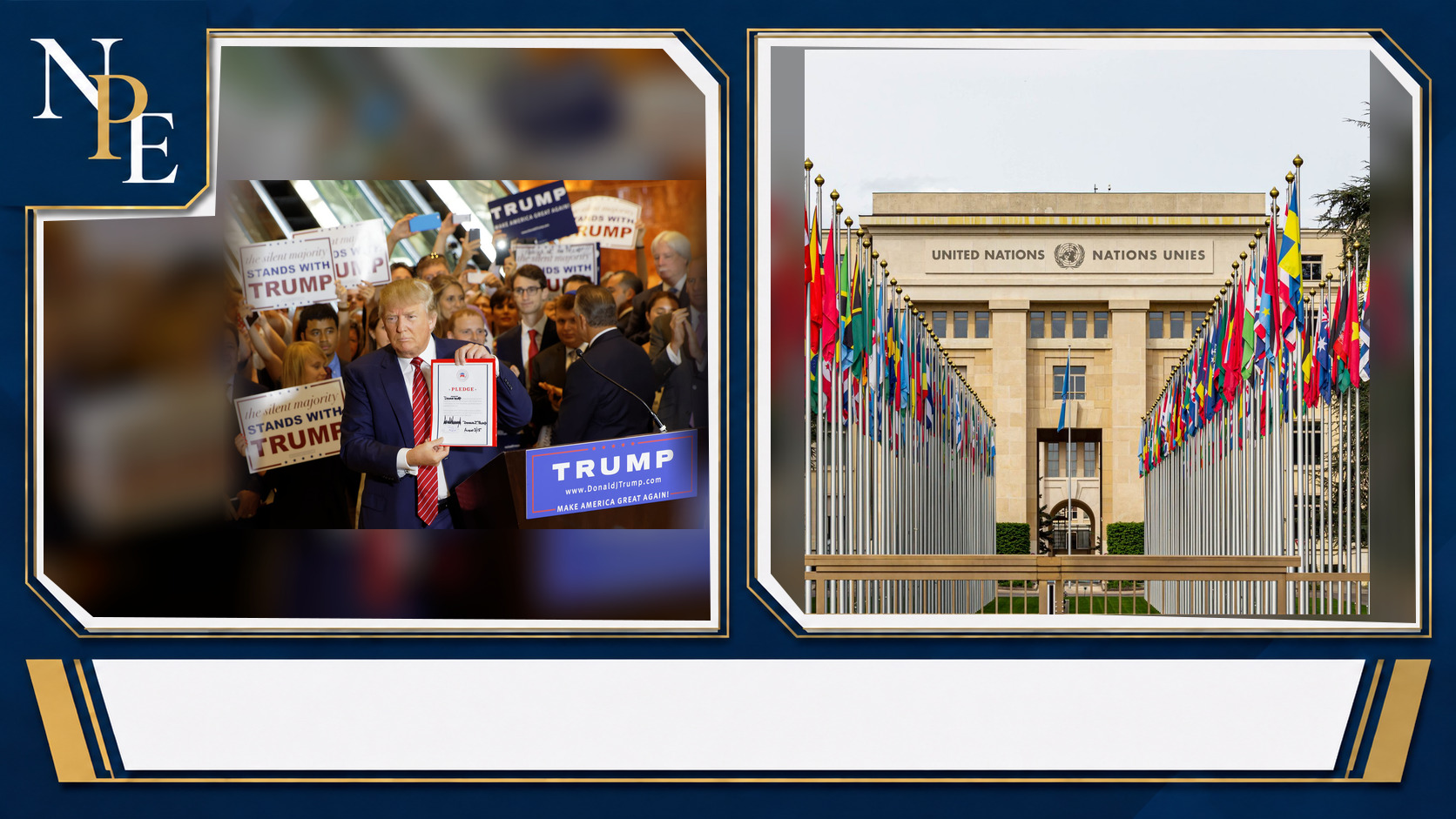
The proposed transfer would be the Trump administration’s largest payment to the U.N. so far, but it would leave most of the U.S. arrears unresolved. The move also tests whether funding can coexist with the administration’s demands for broad U.N. reforms.
The Trump administration has notified Congress that the United States plans to pay $850 million to the United Nations, part of the roughly $5 billion it owes the organization. The proposed payment would leave approximately $4.15 billion in U.S. arrears to the United Nations unpaid.
The State Department’s plan would direct $725 million to the U.N.’s regular budget and $125 million to peacekeeping operations in Haiti and the Democratic Republic of Congo, according to notifications sent to lawmakers and obtained by The Associated Press. It would be the largest U.S. payment to the world body since President Donald Trump’s administration began pressing for sweeping U.N. reforms in exchange for continued support.
The proposal is therefore a partial payment, not a resolution of the dispute over U.S. funding. Even if Congress permits the transfer, most of the debt would remain outstanding as the administration seeks changes at the United Nations.
A payment that covers only part
According to congressional notifications obtained by The Associated Press, the State Department plans to transfer $725 million toward U.S. dues for the regular U.N. budget. Another $125 million would go toward U.N. peacekeeping operations in Haiti and the Democratic Republic of Congo.
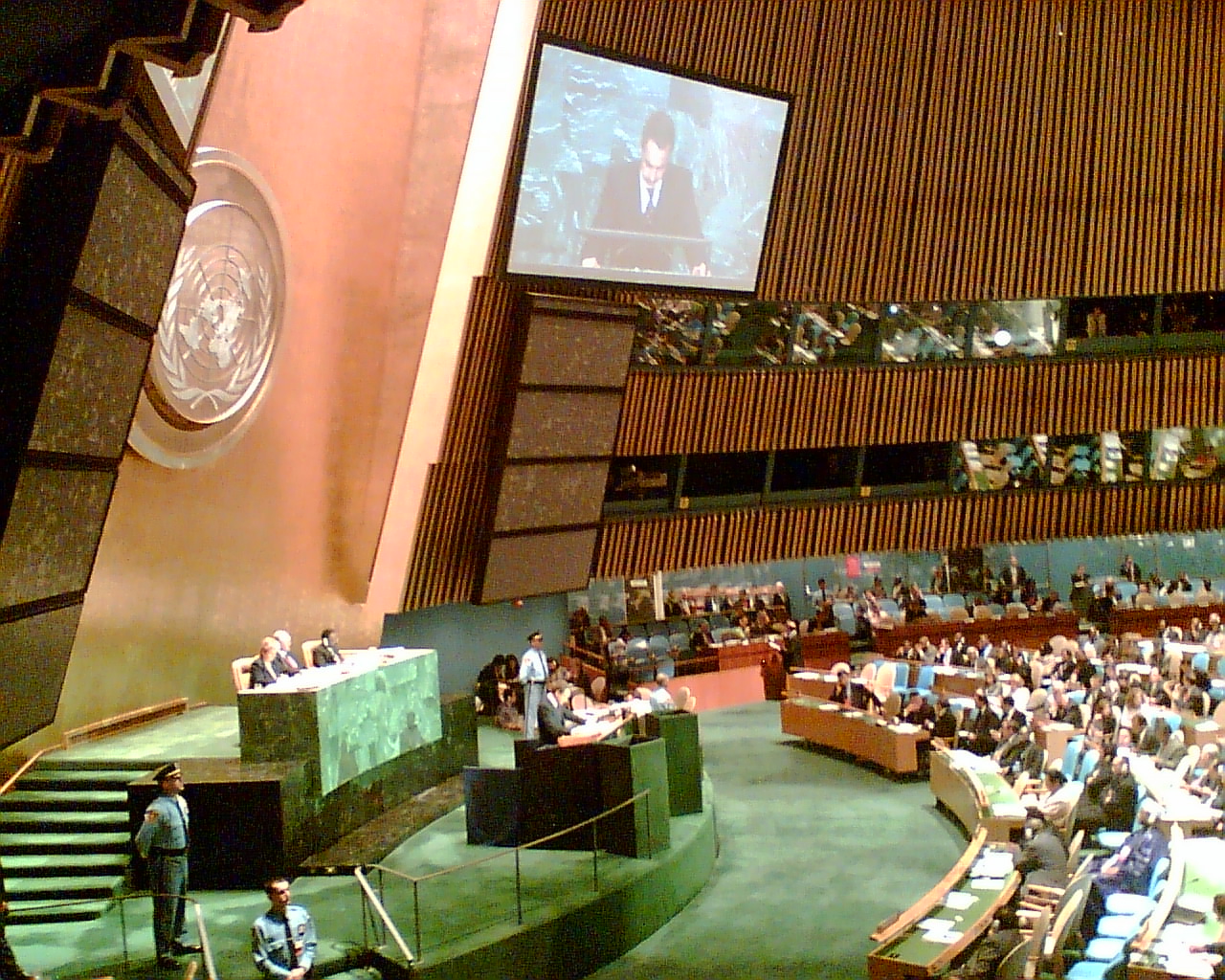
Together, those amounts total $850 million. Against an estimated $5 billion owed, that is about 17% of the outstanding balance—not a settlement, but a substantial partial payment.
The United Nations says more than $2 billion of the U.S. arrears is tied to its regular budget, while about $3 billion is connected to peacekeeping. Those are separate funding streams, which helps explain why the planned payment itself is split between regular dues and particular peacekeeping operations.
Why the unpaid dues matter
U.N. dues are not voluntary charitable contributions. Member states are assessed amounts intended to fund the organization’s core operations and peacekeeping work, although governments can also choose whether to support many U.N.-linked programs and agencies through separate voluntary funding.
When a country as large as the United States falls behind, the consequences reach well beyond an accounting dispute. The U.S. has historically been the U.N.’s largest donor, so delayed assessments can put pressure on the institution’s ability to plan budgets, pay staff and maintain operations.
U.N. Secretary-General António Guterres warned in February that the organization faced an “imminent financial collapse” unless its financial rules changed or all 193 member states paid their dues. That warning came shortly before the administration made a separate $160 million payment.
The newly proposed $850 million transfer is therefore notable as a much larger step, but it does not erase the cash-flow concerns that come with billions of dollars still unpaid.
Reform demands shape the decision
President Donald Trump and his allies have argued that the U.N. needs major changes before it can continue to count on broad U.S. backing. The administration has criticized what it describes as excessive staffing and ideological positions at odds with its agenda.
That pressure campaign has included more than overdue dues. The administration withdrew the United States from the World Health Organization and UNESCO, the U.N. cultural agency, and it has pulled funding from dozens of other U.N.-related bodies and programs, according to AP reporting.
Supporters of a tougher approach say the United States should use its financial leverage to demand accountability, institutional changes and clearer limits on what American money supports. From that view, a partial payment can be read as funding core obligations while preserving pressure for reform.
Critics, including many humanitarian advocates, argue that abrupt cuts and prolonged nonpayment undermine work that depends on coordinated international action. They contend that unpaid obligations can weaken services before any reform debate is settled.
Congress could still shape the outcome
The State Department notified lawmakers of the plan on Aug. 4, AP reported. A notification is a major procedural step, but it is not the same thing as proof that the entire $850 million has already been transferred.
There has already been resistance from some Republicans on Capitol Hill. A GOP congressional aide told AP that lawmakers had concerns that the notifications did not go far enough in withholding U.S. assistance from the U.N. agency serving Palestinian refugees.
That pushback illustrates the broader political tension: the administration is proposing a significant payment while parts of its congressional coalition want sharper restrictions on U.N. funding. The U.S. mission to the United Nations did not immediately respond to AP’s request for comment.
What Congress does next, and whether it seeks conditions or additional limits, will help determine whether the proposal moves forward as outlined.
The debt remains the central fact
The headline number is large, but the remaining balance is larger. If the full $850 million is paid, the United States would still owe about $4.15 billion based on the U.N.’s current estimate of roughly $5 billion in arrears.
That gap matters because it means the payment does not end the central question facing Washington and the United Nations: whether the U.S. will return to regular payment of its assessed obligations, or continue to use its unmatched financial weight as leverage in a broader campaign to reshape the institution.
For the U.N., the immediate benefit would be new money for its regular budget and for peacekeeping in Haiti and the Democratic Republic of Congo. For the administration, the proposal offers a way to address some overdue obligations without retreating from its demand that the organization change.
What remains unclear after notification
The available reporting does not establish a timetable for when the $850 million would be delivered, nor does it say whether Congress will object to, modify or permit every part of the planned transfer.
It is also unclear whether this is the first installment in a broader strategy to reduce the arrears or a one-time payment designed to meet immediate funding needs while negotiations over reform continue.
For now, the most accurate reading is a narrow one: the United States has proposed a meaningful payment to the United Nations, but it remains a partial payment against a far larger debt. The financial relationship is moving, not resolved.
Leave a Reply