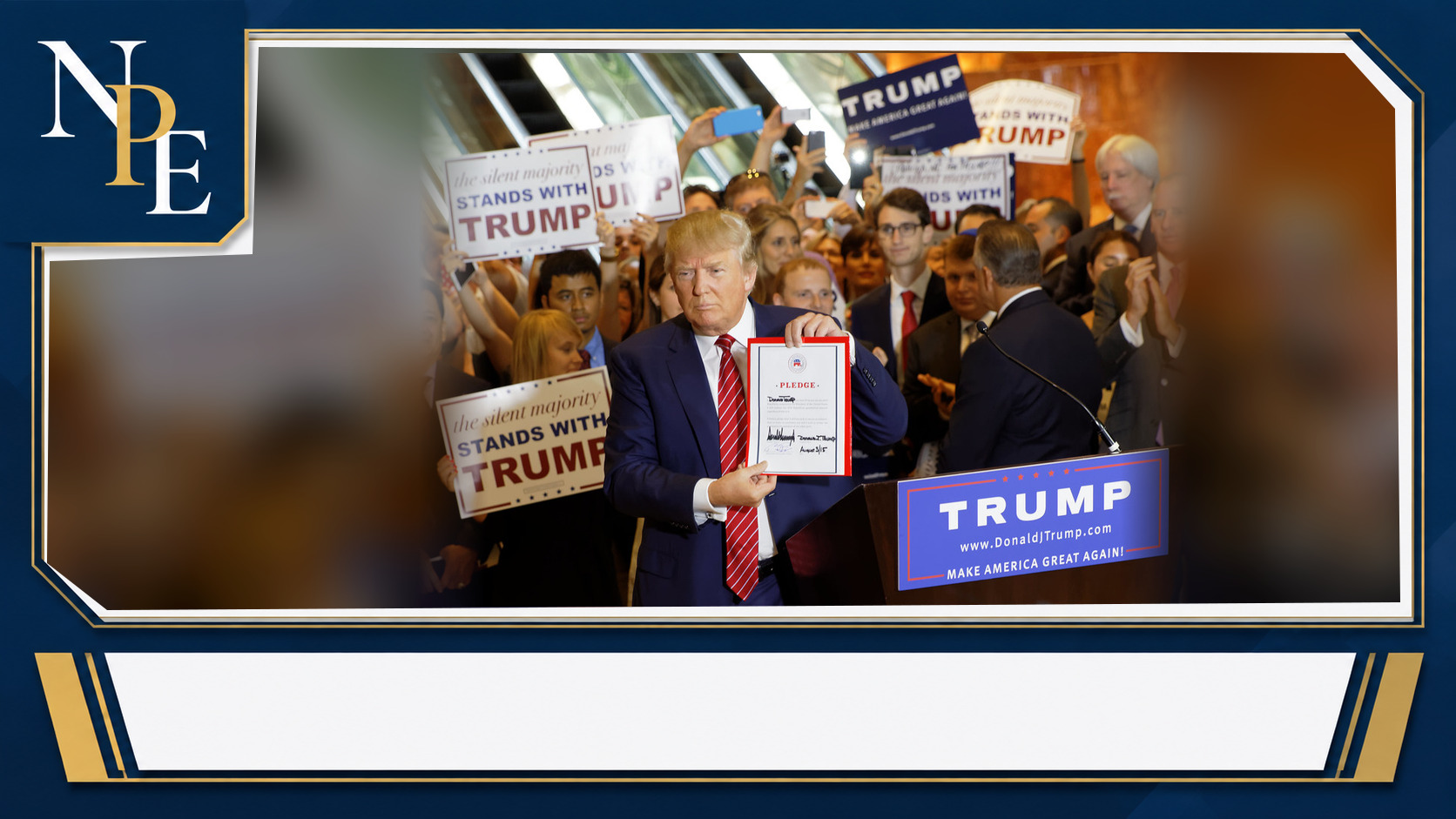
Trump’s August 17 remarks paired a demand aimed at Iran with a threat against Oman, a country that has often served as a channel for difficult regional diplomacy. The immediate issue is rhetoric, but the stakes extend to negotiations and access through the Strait of Hormuz.
Donald Trump threatened to bomb Oman and called for Iran to surrender on August 17, 2026, in remarks tied to talks involving the Strait of Hormuz. The reported comments put Oman, Iran and a critical global shipping route at the center of renewed pressure over negotiations.
Trump said Iran should “put up the white flag of surrender” and said Oman could be bombed if it “gets in the way,” according to reports cited by Reuters and other outlets. The available reporting does not establish a formal military order, an imminent strike or a new written U.S. policy toward Oman.
A threat aimed at a mediator
The unusual feature of the remarks is Oman’s role. Muscat has long maintained contact with Iran while also working with the United States and other regional powers, giving it a place in diplomacy when direct communication is difficult.
According to The Washington Post, the exchange concerned negotiations between Iran and Oman about a solution to reopen the Strait of Hormuz. The Guardian similarly reported that Oman and Iran were discussing control of the waterway while Washington pursued its own talks.
That makes the threat more than a bilateral dispute. A country serving as an intermediary depends on having room to communicate with rival parties, carry messages and help explore arrangements that might otherwise be impossible to discuss directly.
It remains unclear what specific Omani action Trump believed could obstruct a U.S.-Iran understanding. The reports also did not establish whether Oman had publicly responded at the time they were published.
What Trump reportedly said
In comments reported by The Guardian, citing Fox News journalist Trey Yingst’s account of an interview with the president, Trump called on Iran to “put up the white flag of surrender.” Reuters described the remarks as pairing that demand with a threat to bomb Oman.
Trump’s reported wording toward Oman was conditional: it could be bombed if it “gets in the way,” in reference to its contacts with Iran. That language is consequential even without evidence of an accompanying operational decision.
Presidential statements can influence how governments assess risks, adjust negotiating positions or decide whether to keep channels open. But the distinction between a verbal threat and a formal policy change matters: the available reports did not show that Trump announced a strike, issued a military order or unveiled a new U.S. policy toward Oman.
Why Hormuz carries global weight
The Strait of Hormuz is a narrow passage linking the Persian Gulf to the Gulf of Oman and the Arabian Sea. Major oil and liquefied natural gas exporters rely on it to reach global markets.
That geography means even political confrontation over the strait can reverberate beyond the governments immediately involved. Energy markets, shipping companies, insurers and countries dependent on predictable maritime routes all watch for signs that access or security could be affected.
The issue is not limited to whether vessels can pass through a waterway. Debates over control, reopening or managing access through Hormuz also touch on regional security, freedom of navigation and the risk that a dispute involving Iran, Oman and the United States could widen.
Still, the reports did not spell out the terms of the Iran-Oman discussions or say whether an agreement was close. Without that information, it is not possible to determine whether Trump was reacting to a particular proposal, a broader negotiating approach or an arrangement he opposed.
Pressure tactic or diplomatic cost
Supporters of a hard-line policy toward Tehran could see Trump’s demand for surrender and threat against Oman as a maximum-pressure signal. From that view, the remarks communicate that the United States would not accept a Hormuz arrangement it considered contrary to its interests.
Critics are likely to see a different risk: that publicly threatening Oman could weaken a useful line of communication with Iran when diplomatic channels are especially important. Oman’s value has often rested on its ability to speak with parties that may not trust each other or may not be willing to engage directly.
Both readings turn on an unresolved practical question. Pressure can sometimes push parties toward concessions, but it can also cause them to harden their positions, narrow their contacts or seek alternatives to U.S.-backed talks.
The timing adds another layer of uncertainty. The Washington Post reported that a memorandum of understanding intended to support a durable peace with Iran had officially expired. That leaves open whether the current talks are breaking down, being reworked or entering a more confrontational stage.
The signals that would matter next
The next meaningful developments would be official ones rather than assumptions drawn from a single set of remarks. A White House clarification, a response from Oman or a statement from Iranian officials could show whether the language is becoming a defined policy position.
Other indicators would include changes in maritime advisories, military deployments, shipping patterns or energy-market pricing. None can be inferred from Trump’s comments alone, but each could indicate that diplomatic rhetoric is beginning to affect operations around the strait.
For now, the verified core is limited but significant: Trump publicly called for Iran’s surrender and threatened Oman in connection with Oman’s dealings with Tehran over the Strait of Hormuz. Whether that approach creates leverage or makes a sensitive diplomatic channel harder to use remains unresolved.
Leave a Reply