Trump’s latest tariff move raises pressure on U.S.-Canada trade, but the available details do not establish that a 50% duty applies to Canadian vehicles. The key issue now is how the separate tariff programs fit together.
President Donald Trump said he would impose higher tariffs on additional Canadian products beginning Jan. 1, according to The Washington Post, in an escalation of the U.S.-Canada trade dispute after negotiations between the two countries collapsed.
The Post headline described the announcement as involving Canadian vehicles and steel, while its report said Trump offered no additional details about the levies. Separately, a White House fact sheet says Trump signed three Section 338 proclamations imposing 50% tariffs on certain Canadian goods, with those duties taking effect 30 days after signing.
What is clear from the announcement
The supported timeline is narrower than the initial shorthand may suggest. The Post reported that Trump said higher tariffs on additional Canadian products would begin Jan. 1, leaving time for the two sides to resume negotiations.
The available White House fact sheet, however, describes a separate set of Section 338 tariffs on certain Canadian imports. It says those tariffs apply to covered goods regardless of whether they originate under the U.S.-Mexico-Canada Agreement.
That distinction matters because the fact sheet also says the Section 338 tariffs will not apply to products subject to Section 232 tariffs. Section 232 is the authority the administration has used for national-security tariffs on products including steel and automobiles.
Why the 50% figure needs careful reading
The White House fact sheet says each Section 338 proclamation imposes a 50% tariff on a different set of Canadian imports, covering products ranging from wine and hockey sticks to cement.
It does not establish, in the supplied material, that a 50% Section 338 tariff applies to Canadian vehicles. Instead, the fact sheet separates the Section 338 program from goods already subject to Section 232 tariffs.
For automakers, steel producers, suppliers and dealers, that legal distinction is not a technical footnote. The practical effect depends on which products are covered, which tariff authority applies and whether customs guidance creates exemptions or carve-outs.
Autos remain unusually exposed
The U.S. and Canadian auto industries are deeply connected. Vehicles and components often cross the border during production, with engines, stamped parts, electronics and final assembly spread across facilities in both countries.
That integration means any new tariff action involving vehicles could create pressure beyond the importer paying the duty. Automakers may face higher input costs, suppliers may see orders change, and consumers could ultimately encounter higher prices or fewer choices.
Supporters of tariffs argue that they can encourage more production in the United States and strengthen the bargaining position of American workers and businesses. Critics counter that a duty on a close ally can work like a tax on a shared regional manufacturing system, especially when companies cannot quickly move production.
Steel adds another pressure point
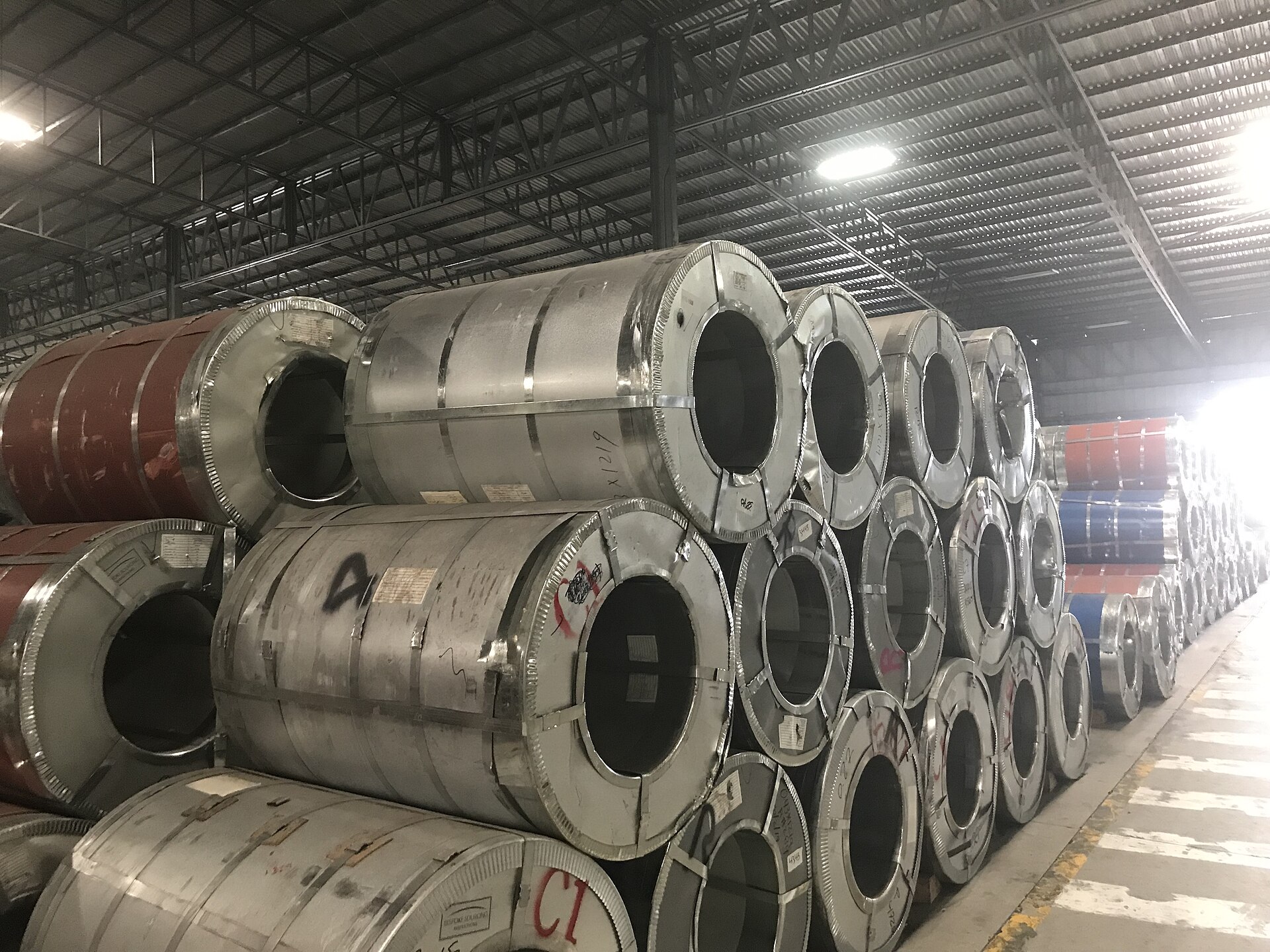
Steel is central to vehicle production, construction, machinery and industrial equipment. A tougher tariff fight involving Canadian steel can therefore ripple beyond the steel industry itself.
The Trump administration has repeatedly framed tariffs as a way to protect U.S. manufacturing and respond to trade practices it considers unfair. In a White House fact sheet on additional Canada tariffs, the administration said its actions were intended to offset what it called Canada’s discriminatory treatment of U.S. commerce.
The overlap of separate tariff programs makes the details especially important. A tariff applied under Section 338 and a tariff applied under Section 232 may have different coverage, exclusions and legal rationales.
The administration’s case against Canada
According to the White House fact sheet, the administration says Canada has discriminated against or disadvantaged U.S. commerce, pointing to auto policies, provincial restrictions on U.S. alcohol and dairy tariff-rate quotas.
The White House fact sheet says Canadian imports of U.S. motor vehicles fell by approximately 22%, or $5.6 billion, from April 2025 through March 2026 compared with the previous 12 months.
The fact sheet also reports that Canadian imports of U.S. alcoholic beverages fell about 81% over a separate 12-month period after most provinces and territories halted the purchase, distribution or retail sale of U.S. alcohol.
USMCA does not end the uncertainty
Trade agreements can reduce or eliminate ordinary tariffs, but they do not always prevent governments from invoking separate domestic trade authorities. The White House fact sheet says the Section 338 tariffs apply to covered Canadian goods regardless of whether they qualify under USMCA.
The administration has also said it did not agree to renew USMCA in its current form because it considers the agreement insufficiently beneficial to the United States. That places the tariff dispute inside a larger argument over how North American trade rules should be renegotiated, enforced or both.
For businesses, the central problem is uncertainty. A company deciding where to build a part or expand a plant needs to know not only today’s tariff rate, but also whether it could change after negotiations, retaliation or a new legal action.
Leave a Reply