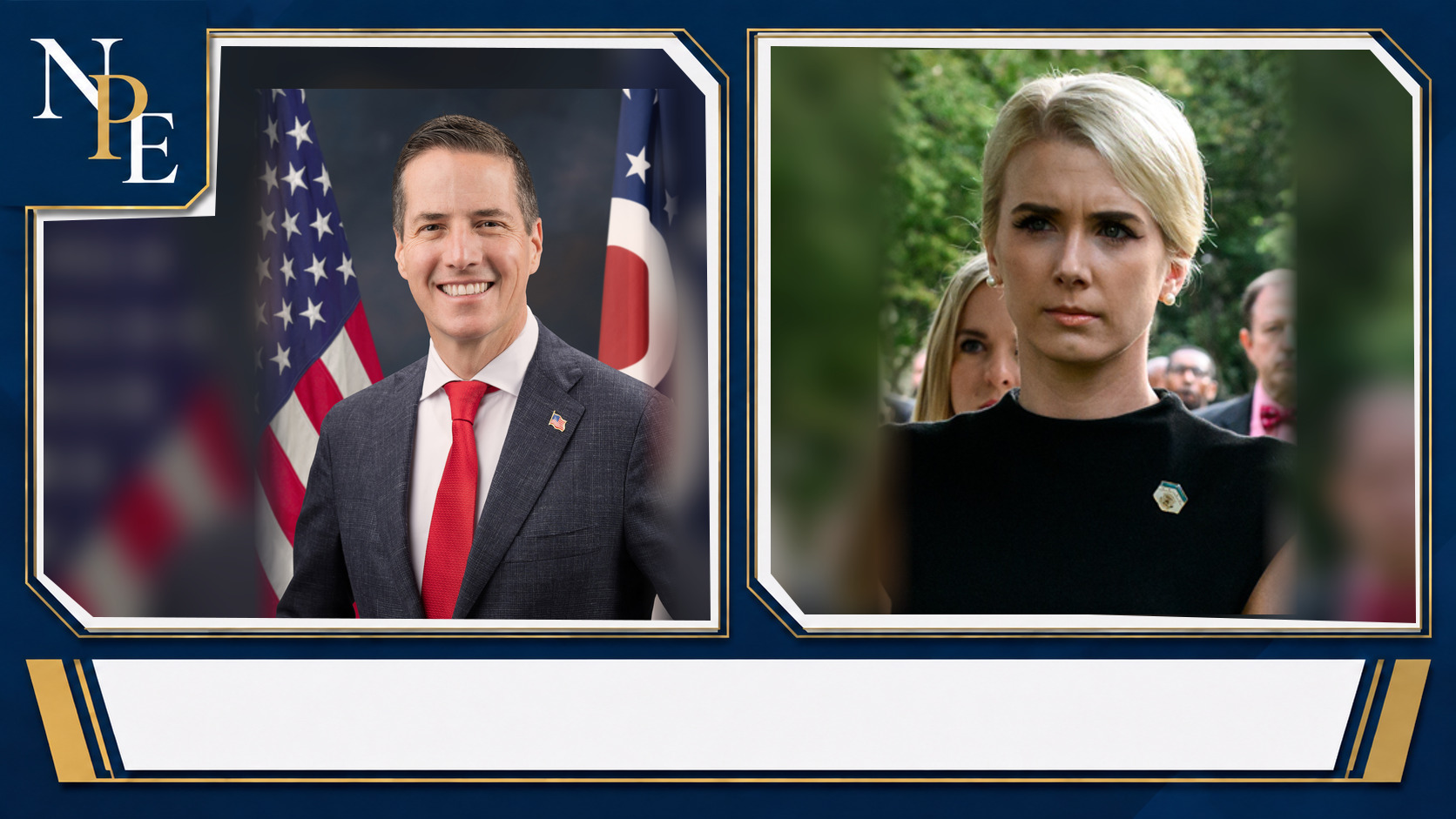
Moreno’s defense of Natalie Harp shifts attention from a disputed personal allegation to the way women working near powerful political figures are discussed. The episode also highlights how quickly rumor, loyalty and gender politics can collide in Washington.
Ohio Sen. Bernie Moreno said Sunday that discussions about Natalie Harp have been “super misogynistic,” defending the White House aide against claims of an inappropriate relationship involving Harp and President Trump. Moreno’s intervention put the Natalie Harp discourse at the center of a familiar Washington argument: when does legitimate scrutiny of a powerful official’s inner circle become gendered personal speculation?
Moreno, a Republican, did not simply reject the claims involving Harp and Trump. He argued that the framing and tone of the conversation about Harp were themselves unfair, making his remarks a defense of both the aide and the boundaries of political commentary around women in high-profile jobs.
Moreno’s defense of Harp
Moreno described recent discussion of Harp as “super misogynistic,” according to reporting by The Hill. His comments came as attention focused on allegations and online speculation about Harp’s relationship with Trump.
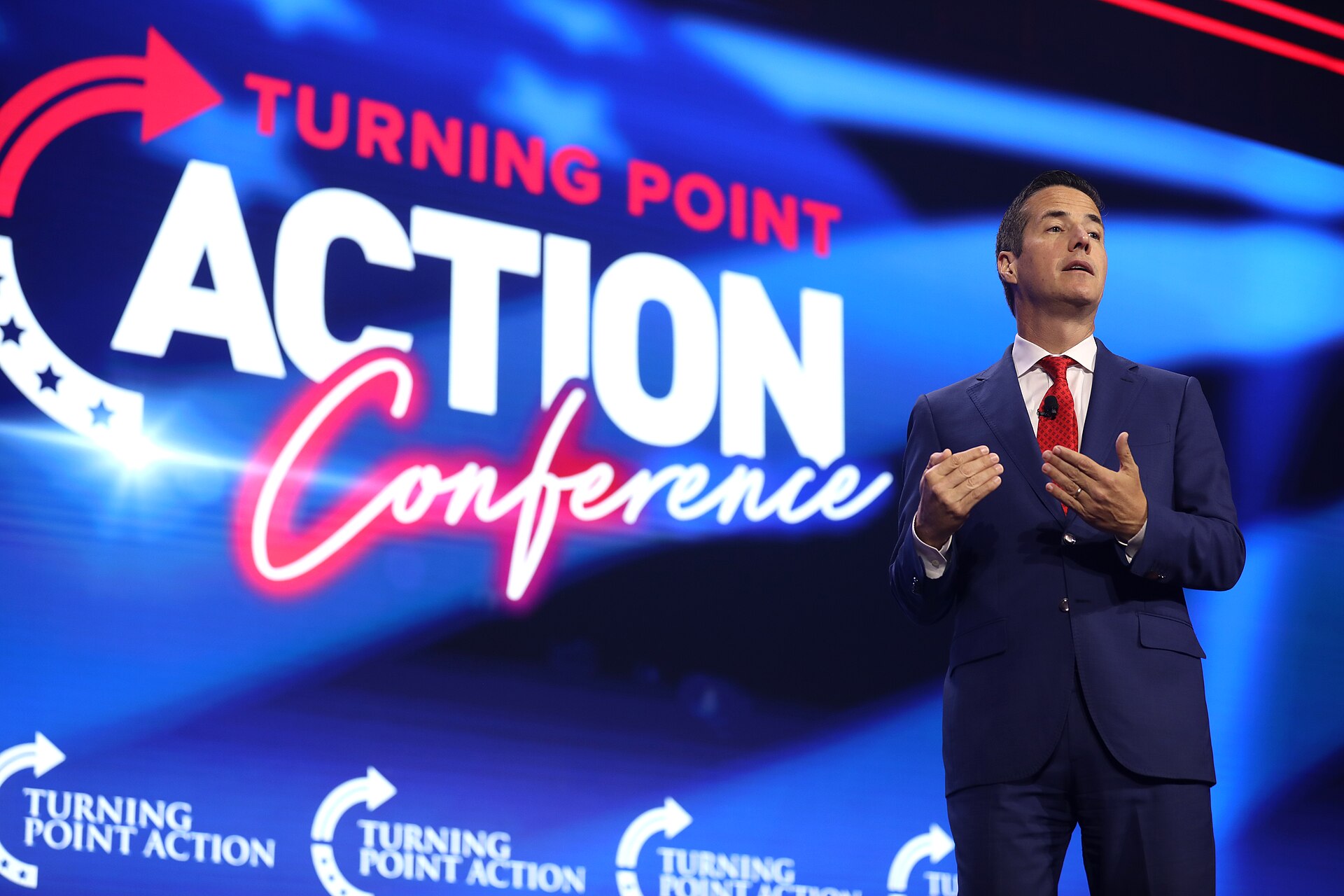
The Ohio senator’s central point was that Harp should not be reduced to insinuations about her personal life. The allegation at issue involves an inappropriate relationship with the president, but Moreno presented it as unsupported and rooted in a double standard applied to a woman working closely with a male political leader.
That distinction matters. A public official can face questions about access, influence and responsibilities without those questions becoming assumptions about romance or sexuality. Moreno’s response places the current debate squarely in that divide.
What is known and disputed
Harp is identified in the reporting as a White House aide. The available reporting establishes that claims concerning her and Trump have circulated and that Moreno publicly objected to the tenor of the discussion.
It does not establish the underlying allegation as fact. Readers should separate the existence of a claim from evidence that would verify it. Moreno’s statement is a political defense and a critique of the coverage and conversation surrounding Harp; it is not, by itself, an independent investigation of what prompted the speculation.
That remains an important limit in a fast-moving political story. Public figures and their staff routinely operate under intense scrutiny, but a charge repeated online can acquire an appearance of certainty long before the factual basis has been tested.
Why the language became central
Moreno chose unusually direct language by calling the discussion misogynistic. The term moves the argument beyond a basic denial and toward a challenge of how women in influential roles are judged.
Supporters of that view may see a recognizable pattern: a woman close to a powerful man can draw disproportionate attention to her appearance, loyalty or private life, while male aides with comparable proximity are discussed mainly in terms of strategy and access.
Critics may counter that proximity to a president is inherently newsworthy, regardless of gender, particularly if an aide is perceived to have unusual access or influence. From that perspective, the key question is whether the scrutiny is tied to professional responsibilities and decision-making, rather than whether scrutiny exists at all.
Both points can be true at once. White House staff deserve reporting that examines their role in government. But speculation framed around intimacy, appearance or insinuation can obscure the work they actually do and make it harder to distinguish verified reporting from political gossip.
Access is part of the story
Questions about presidential aides are not automatically personal attacks. Presidents rely heavily on a small group of staff members to manage information, scheduling, communications and contact with allies. Those roles can carry significant practical influence even when the job title is less visible than that of a Cabinet official.
That is why the most useful public discussion of Harp would focus on concrete matters: her official responsibilities, her role in communications or decision-making, and any documented evidence about how access is exercised. Those are questions that can be reported, sourced and evaluated.
Moreno’s comments suggest that he believes the current conversation has drifted away from those standards. His complaint is not merely that Harp is being criticized; it is that the criticism has taken a gendered form.
A political message beyond one aide
The dispute also serves a broader political purpose. By defending Harp, Moreno is defending Trump’s orbit from a line of attack that can spread quickly through social media, partisan outlets and commentary shows.
For Republicans aligned with Trump, calling out misogyny can recast an uncomfortable allegation as evidence of unfair treatment toward a woman on their side. For critics, the episode may raise a different concern: whether accusations of sexism could be used too broadly to dismiss reasonable questions about power and access.
The answer depends on the evidence and the language used. Claims about conduct should be supported by verifiable reporting. Commentary about a staffer should not substitute insinuation for facts, and it should not assume that a woman’s professional standing is explained by a personal relationship.
What remains unclear
Moreno’s Sunday remarks clarify his position, not the factual basis of the claims he denounced. The available reports do not provide evidence substantiating an inappropriate relationship between Harp and Trump, nor do they detail a formal response from Harp or the White House to the specific allegation.
That leaves two separate issues unresolved: what, if anything, can be independently established about the claim, and whether the wider discussion of Harp has treated her differently because she is a woman.
For now, Moreno has made the second question the political flashpoint. His defense of Harp is a reminder that the debate over presidential power often extends beyond policy fights to the language used about the people closest to it.
Leave a Reply