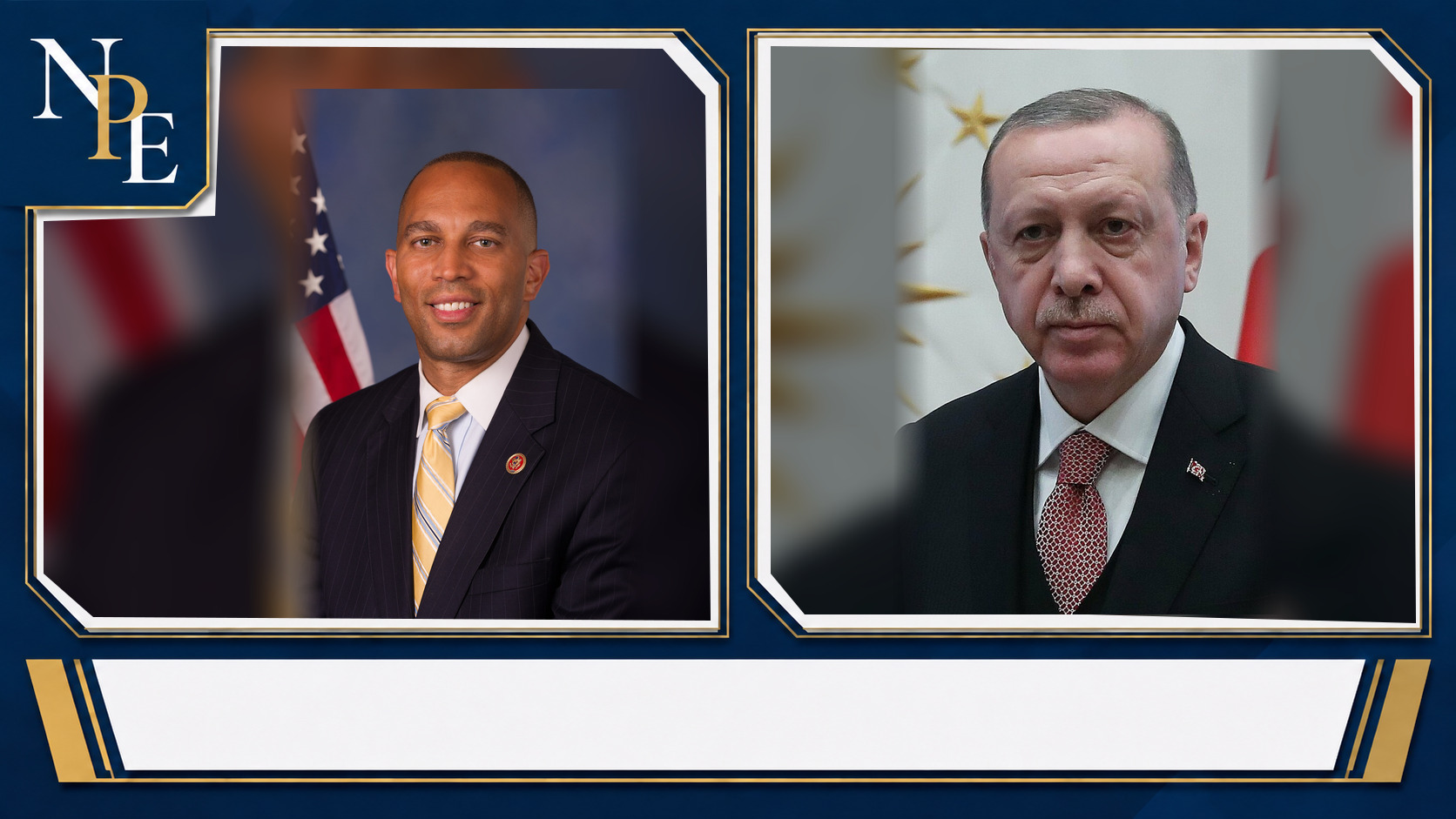
The reported conversation focused on possible areas of overlap, including affordability concerns, housing and immigration. It also exposed a larger Democratic dilemma: when does governing pragmatism become political accommodation?
Hakeem Jeffries and Jared Kushner reportedly met privately in New York City in recent weeks and discussed possible cooperation between Democrats and President Donald Trump’s administration. The reported Jeffries-Kushner meeting, first detailed by The New York Times, drew backlash from the political left because it suggested a potential opening for dialogue even as Democrats and Trump trade increasingly sharp attacks.
The immediate question is not whether a bipartisan agreement is about to happen. It is whether Democratic leaders can explore narrow areas of common ground without weakening the case that Trump needs tougher congressional scrutiny.
A private meeting with public consequences
The New York Times reported on Aug. 23 that Jeffries, the House minority leader and a New York Democrat, met with Kushner, Trump’s son-in-law and a key outside adviser. The newspaper cited five people with knowledge of the meeting.
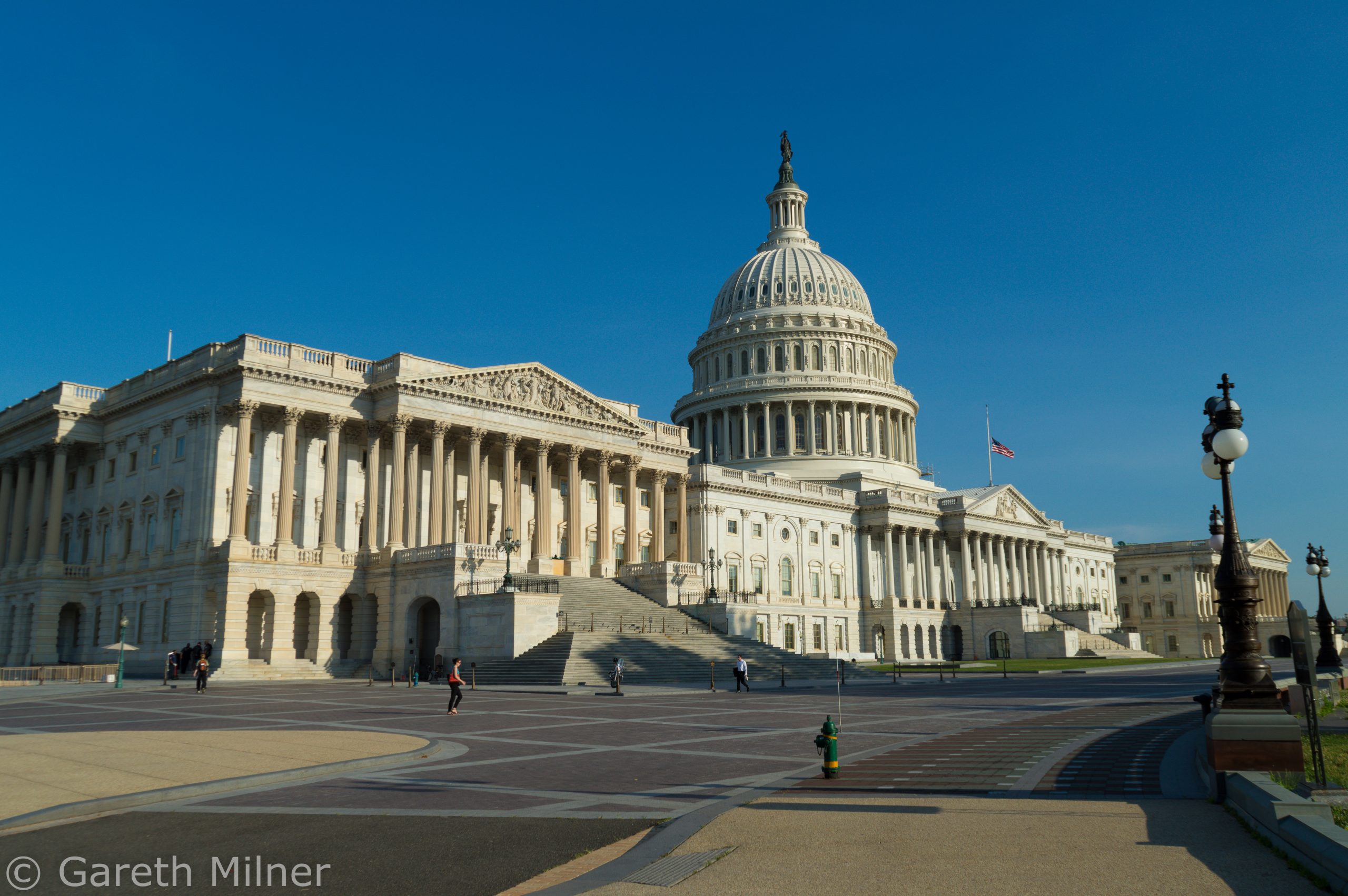
According to the report, the conversation took place in a private New York City space offered by a mutual friend. Neither Jeffries nor Kushner publicly commented on the session through aides.
That silence leaves important limits on what can be known. The meeting was described as a broad conversation, not a negotiation, and no agreement, policy framework or follow-up meeting was publicly announced.
Still, the encounter was politically notable. Jeffries is positioned to become speaker if Democrats win the House, while Kushner remains a trusted figure in Trump’s orbit despite not holding a formal administration post.
Housing, immigration and affordability surfaced
The reported discussion touched on housing, immigration and the high cost of living, all subjects where voters have expressed anxiety and where each party sees political opportunity.
Those subjects also illustrate the gap between talking and legislating. Housing affordability has broad bipartisan appeal, but Trump had reportedly declined to sign a bipartisan housing bill earlier this year, criticizing its association with Sen. Elizabeth Warren, a Massachusetts Democrat.
Immigration presents a similarly difficult test. Trump has at times signaled openness to an agreement with Democrats, but his record includes helping derail a bipartisan border-security package in 2024.
Jeffries’ statement after the report did not confirm the Kushner meeting. Instead, he said Democrats would make clear to the Trump administration that the affordability crisis requires what he called transformational policy change, and questioned whether Republicans would join them.
Why the left sees a risk
The backlash from the political left reflects distrust of any engagement that could be portrayed as normalizing Trump’s approach to governing. For progressive Democrats, a possible House majority is not chiefly an opportunity to find compromise; it is an opportunity to impose oversight after a period in which they believe Congress has not adequately checked the president.
That argument has force because a Democratic House could use hearings, subpoenas and investigations to examine administration actions. Some Democrats would also face pressure to consider impeachment, a prospect that would make a cooperative relationship with the White House even harder.
Critics may view a private conversation with Kushner as premature outreach to an administration they see as resistant to meaningful bipartisan bargaining. The reporting supplied with the meeting did not identify a specific organization or lawmaker behind the criticism, so the scope and intensity of the backlash remain unclear.
There is a competing view. Speaking with political opponents is not the same as endorsing them, especially on issues such as rents, homebuilding, wages and household costs. A House leader who could become speaker may reasonably want to understand where, if anywhere, the administration might move.
The timing shapes the interpretation
The meeting came as Republicans sought to defend narrow congressional majorities ahead of the midterms. The Times reported that polling pointed to Republican vulnerability, making the prospect of a Democratic House more real for Trump allies.
That possibility changes the incentives on both sides. A Democratic majority could sharply increase oversight of the White House, while the administration could benefit from identifying issues where it might avoid complete legislative gridlock.
Kushner and Jeffries have a history of contact. They stayed in touch after working on criminal-justice legislation during Trump’s first term, according to the Times, and they reportedly met last year as well. That background makes the latest conversation less sudden than it may appear.
It does not, however, erase the political contrast. Trump has publicly insulted Jeffries, while Jeffries has cast Trump as extreme and corrupt and has pledged accountability if Democrats gain control of the House.
Compromise has a narrow path
Any actual cooperation would face obstacles beyond party rhetoric. Republicans currently control Congress, and Trump has often relied on executive power rather than pursuing difficult deals on Capitol Hill, according to the Times.
For Jeffries, the challenge would be balancing basic governing responsibilities, such as keeping the government funded, against demands from Democrats who want a House majority to serve as a firm institutional check on Trump.
For the administration, a conversation with Jeffries may be a practical acknowledgment that a future Democratic-led House could not simply be ignored. The Times reported that Kushner has described Jeffries as the most serious Democratic leader with whom to work.
That assessment is not a guarantee of cooperation. It is a recognition that the next congressional power struggle may require channels of communication even when public relations reward confrontation.
What remains unknown after the report
There is no public indication that Jeffries will meet White House chief of staff Susie Wiles, though the Times reported that Kushner suggested such a meeting. There is also no disclosed timetable or legislative agenda flowing from the private conversation.
The larger uncertainty is whether the parties can separate practical policy talks from the conflict that a divided Washington would almost certainly bring. Shared concern about living costs may create a talking point; turning it into legislation would require trust that is plainly scarce.
For now, the meeting is better understood as a political signal than a breakthrough. It shows that people close to Trump are considering how to deal with Jeffries if Democrats regain power—and that Jeffries will be judged closely by allies over how far any engagement should go.
Leave a Reply