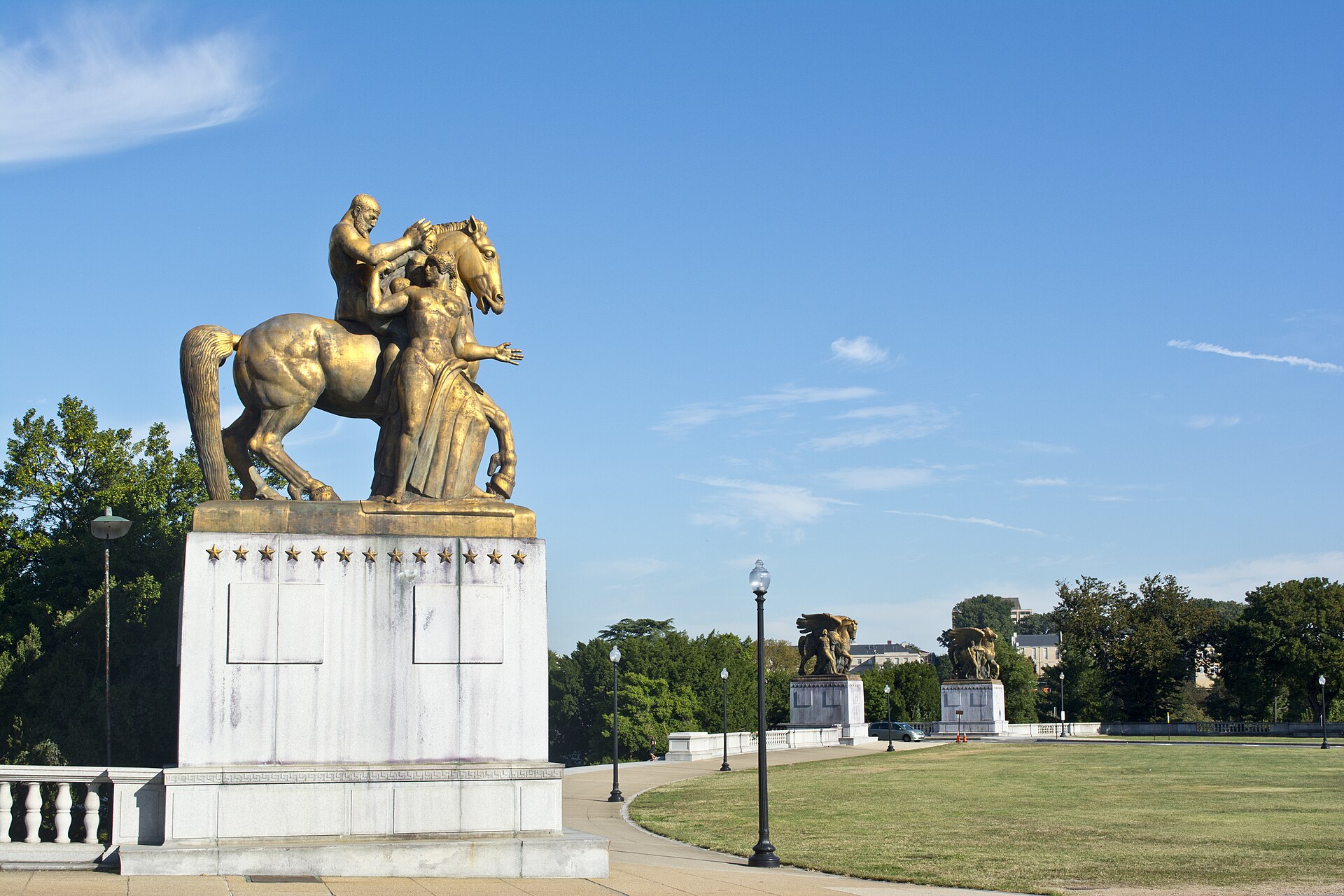
The renovation involved the Arts of War statues near the Lincoln Memorial and 23.75-karat gold. The argument is really about public spending, preservation and presidential credit.
Trump spent $5 million in taxpayer funds to restore horse statues and coat them in gold: that is the allegation now drawing attention around the Trump administration’s renovation of the Arts of War statues near the Lincoln Memorial in Washington, DC. The project involved regilding the bronze equestrian sculptures with 23.75-karat gold, according to BBC coverage of visitors reacting to the finished work. This article explains the allegation and why it matters: the fight is not just over shiny monuments, but over whether public money should be used for symbolic beautification at that price.
The short version is less tidy than the viral wording. The available reporting supports that the Trump administration oversaw a regilding of the Washington horse statues and that the figure attached to the work is $5 million. The phrase “Trump spent” is political shorthand for a government project carried out under his administration, not evidence that Trump personally paid a bill.
The claim at the center
The claim being shared is blunt: Trump used $5 million in taxpayer funds to restore horse statues and coat them in gold. It lands because it combines three volatile ingredients: Donald Trump, public money and a highly visible gold finish in the nation’s capital.
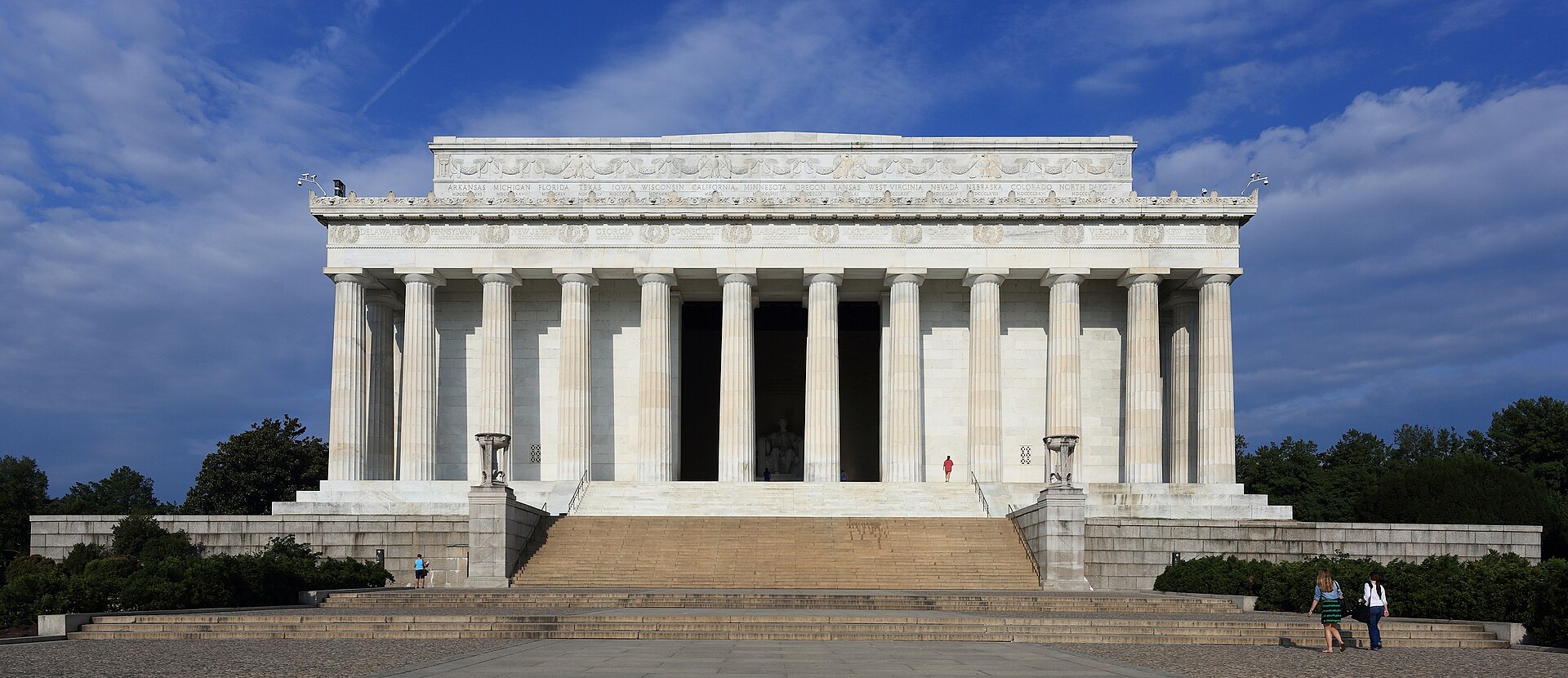
BBC coverage described the work as the Trump administration regilding the Arts of War statues near the Lincoln Memorial with 23.75-karat gold. Its framing — asking visitors whether the renovated statues were “worth $5m” — reflects why the story has spread beyond art and preservation circles.
That does not mean every version of the claim is equally precise. “Coat them in gold” is a punchy way to describe regilding, but it can make the project sound like solid-gold excess rather than a surface restoration using high-karat gold leaf or gilding material. The political argument remains, but the physical image matters.
Which statues were restored
The horse statues at issue are the Arts of War sculptural groups near the Lincoln Memorial and Arlington Memorial Bridge area in Washington, DC. They are part of the monumental landscape that frames one of the country’s most heavily visited civic spaces.
These are not decorative pieces in a private resort or campaign property. They are public artworks, maintained as part of the federal landscape around the National Mall and its memorial approaches. That is why the word “taxpayer” carries weight: the public has a stake in both preserving them and questioning the price of doing so.
The restoration described in the BBC report involved regilding the statues with 23.75-karat gold. Regilding usually means renewing a gold surface that has worn, weathered or dulled over time. In other words, the controversy is not simply that gold appeared on public statues; it is that a costly restoration put gold back into sharp public view under Trump’s administration.
Why the $5 million stings
A $5 million monument project is easy to attack because the number is instantly legible. Most readers do not need a budget spreadsheet to understand the objection: could that money have gone to roads, housing, veterans’ services, park maintenance or other public needs?
Critics see the gilded statues as a symbol of misplaced priorities, especially because gold is so closely associated with Trump’s personal brand and political style. Even if the project was a legitimate restoration, the optics are unusually loaded.
Supporters can make a different case. Public monuments are expensive to maintain, historic preservation often requires specialized work, and the most visible civic spaces are supposed to be cared for before they visibly decline. If the statues were already designed to be gilded, regilding them is not the same as inventing a luxury upgrade from scratch.
That is the real tension. One side sees wasteful pageantry. The other sees upkeep of public art. The $5 million figure turns that tension into a pocketbook argument.
Trump versus the government
The wording “Trump spent” is common in political coverage, but it can blur how federal spending actually works. Presidents set priorities, agencies carry out projects, Congress authorizes and appropriates money, and contracts or restoration work move through government channels.
Based on the available reporting, the cleanest formulation is that the Trump administration oversaw or was credited with the regilding project. Saying Trump personally spent taxpayer money can be rhetorically effective, but it risks implying a direct, personal transaction that the current evidence does not establish.
That distinction does not erase accountability. Presidents routinely take credit for infrastructure, enforcement, cultural and beautification projects that agencies execute. They also absorb blame when those projects look politically tone-deaf or expensive.
For readers, the useful question is not only whether the phrase is technically perfect. It is whether the underlying public claim is supported: a federally connected project restored prominent Washington horse statues, used 23.75-karat gold and carried a $5 million price tag in public-facing coverage.
What the evidence supports
The sourced record available here points to a few core facts and a few limits.
- Supported: The Trump administration regilded the Arts of War horse statues near the Lincoln Memorial in Washington, DC.
- Supported: BBC coverage says the renovated statues were regilded with 23.75-karat gold.
- Supported: The public controversy is tied to a $5 million cost figure and whether the renovation was worth that amount.
- Needs precision: “Trump spent” should be understood as shorthand for action under his administration, unless documents show a more direct personal role.
- Still unclear from the extracted record: the exact contracting details, budget line, timeline and whether the full $5 million was solely for gilding or for a broader restoration package.
Those caveats matter because claims about public spending can harden quickly into partisan slogans. A careful reading leaves room for both accountability and accuracy.
The bigger spending argument
The statue fight fits a familiar Washington pattern: symbolic projects become stand-ins for deeper disputes about government priorities. A gold finish near the Lincoln Memorial is visible, photogenic and easy to turn into a political metaphor.
That does not make the issue trivial. Public art and national monuments are maintained with real money, and the public is entitled to ask why one project rises to the top. Preservation advocates may answer that neglect is also costly, and that restoring historic works before they deteriorate further can save money over time.
The political problem for Trump is that the imagery is almost too neat. Gold, monuments, federal money and a highly branded president combine into a story that critics can describe in one sentence. The problem for critics is that one sentence can flatten the difference between extravagant novelty and restoration of an existing public landmark.
The most accurate takeaway is this: the allegation has a factual backbone, but the phrasing needs care. The Trump administration’s $5 million gilded horse statue restoration is a legitimate public-spending issue. Whether it was waste, preservation or political theater depends on details still worth scrutinizing.
Leave a Reply