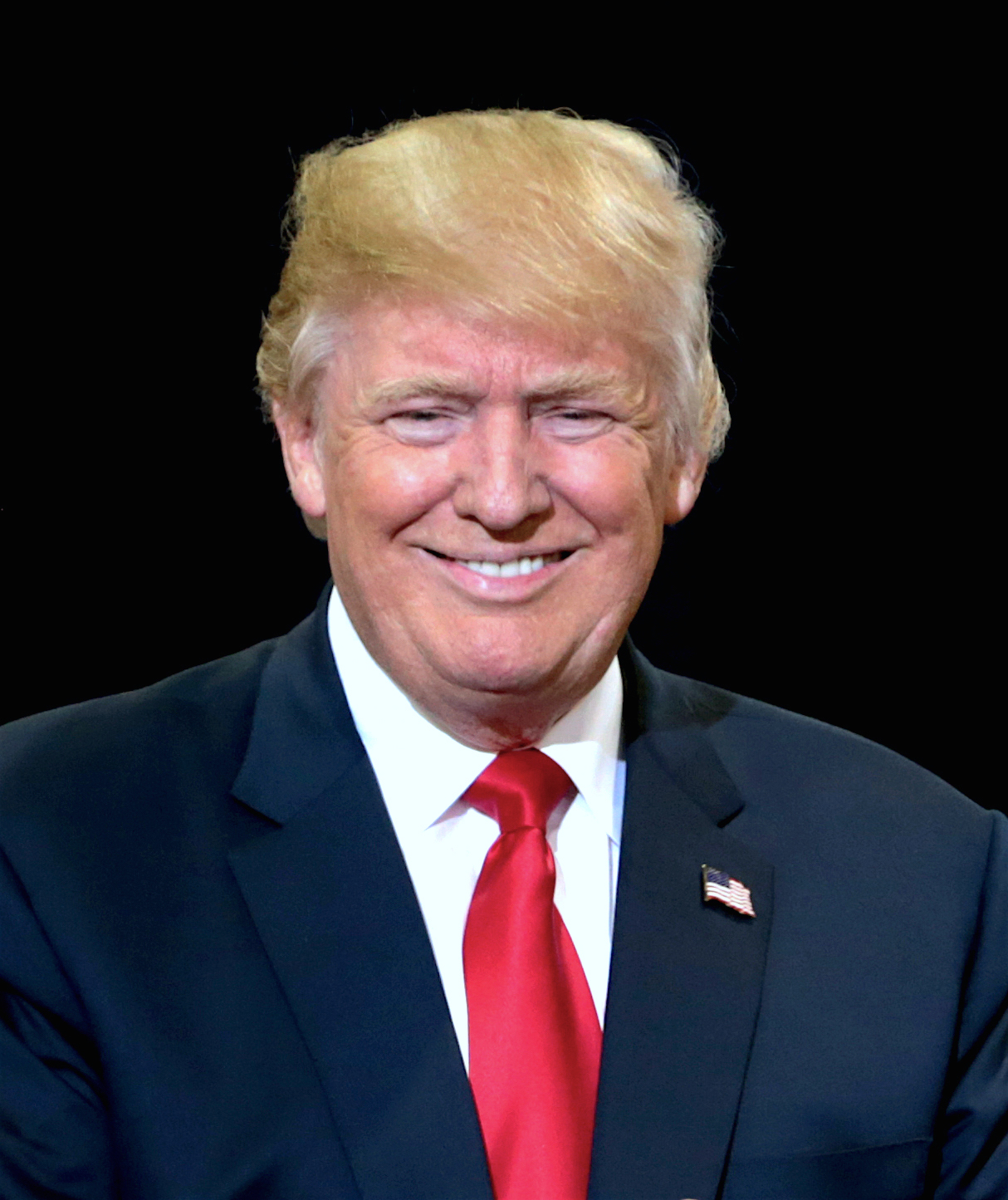
Trump has long used conflict and publicity as political fuel. The harder question now is whether attention can still translate into power when time, institutions and allies begin to narrow his room to maneuver.
Donald Trump has hit a major obstacle he cannot talk his way around: the shrinking power of rhetoric once political leverage starts to fade. Trump has finally become the subject of a sharper round of commentary over whether his familiar skill at dominating attention can overcome a more stubborn problem — setbacks, term limits and doubts about his future influence.
This article explains the political significance of this setback because it goes to the core of Trump’s strength: turning conflict into momentum. Reuters reported on June 10, 2026, that Trump was trying to project political strength as he turns 80, even as setbacks at home and abroad were exposing limits on his power and fueling lame-duck talk.
The wall is leverage
The phrase brick wall works because it captures a shift in the problem facing Trump. For years, many of his political challenges could be reframed as media bias, establishment resistance, disloyal Republicans or proof that he was fighting powerful enemies.
That strategy still has force with his core supporters. It can drive attention, fundraising and loyalty. But it is less effective when the question is not whether Trump can win the argument, but whether he can still make other actors move.
Presidents and major party leaders depend on leverage: votes in Congress, cooperation from governors, courts that allow policies to stand, donors who stay invested, allies who fear political punishment and voters who believe the leader has a future. Rhetoric can pressure those players. It cannot fully replace them.
That is the limit now drawing attention. Trump’s political brand remains loud, combative and central to the Republican Party. The emerging challenge is whether that dominance still produces results when the calendar, institutions and competing ambitions start pushing in different directions.
Why speeches stop working
Trump’s public style has always blurred campaigning and governing. He does not merely announce positions; he stages battles. Supporters see that as proof of stamina and authenticity. Critics see it as distraction and evasion.
Both views can be true in part. The same communication style that helps Trump survive controversy can become less useful when the political system demands implementation. Passing legislation, maintaining coalitions and managing crises require more than commanding a news cycle.
That is why the latest wave of analysis matters. It is not simply saying Trump had a bad week or that opponents are celebrating. It is pointing to a structural problem: once allies and rivals begin to calculate life after Trump, every demand he makes is judged against his remaining ability to reward or punish.
The 22nd Amendment adds to that calculation. Trump was elected president in 2016 and again in 2024, meaning he is barred from being elected to another term unless the Constitution were changed. That makes the usual second-term problem sharper: people around a president start looking past him before he is done using power.
Age sharpens the timeline
Reuters’ note that Trump was turning 80 in 2026 is politically relevant, not just biographical. Age does not automatically end influence; American politics is filled with older leaders who retain power through organization, money and loyalty.
But age combines with term limits and setbacks in a way that changes the conversation. A younger political figure can often sell defeat as a temporary chapter in a longer comeback. A term-limited president nearing the back half of a second term has a harder time making that case.
For Trump, that creates a tension inside his own movement. His appeal rests heavily on personal dominance. He has made loyalty to him a defining test for many Republicans. Yet the party also has officeholders, donors and activists who must prepare for races after his presidency.
That does not mean Republicans are suddenly breaking from him. Many still benefit from his voters, his endorsement and his capacity to punish dissent. The point is more subtle: the fear of crossing him may remain strong, but the incentive to plan around him grows with each passing month.
Allies hear the clock
Every presidency develops a countdown. Cabinet officials think about legacy. Members of Congress think about their districts. Governors think about national prospects. Ambitious allies begin testing messages that sound loyal while quietly positioning themselves for the next fight.
Trump’s version of that countdown is unusually complicated because his political identity is built on refusing to accept decline. He has often turned accusations of weakness into proof that enemies are afraid of him. That can still rally supporters, especially when the criticism comes from outlets or figures they already distrust.
The tougher audience is not necessarily Democratic voters or cable-news critics. It is Republicans who privately ask whether Trump can still deliver wins, protect them from backlash and shape the party after he leaves office.
If they believe he can, his grip holds. If they begin to doubt it, the shift may not appear first as open rebellion. It may show up as softer defenses, delayed endorsements, alternative power centers and a growing willingness to wait him out.
Setbacks are harder to narrate
Trump’s gift has been narrative control. Investigations became witch hunts. Losses became stolen victories. Establishment opposition became evidence that he was threatening a corrupt order. That style helped him remain the dominant Republican figure even after leaving office in 2021.
Governing setbacks are harder to turn into the same story because voters eventually measure outcomes. Prices, foreign crises, court defeats, legislative failures and administrative confusion cannot all be solved by assigning blame. Some supporters may accept the explanation; swing voters and institutional allies may not.
That is where the talk his way around phrase cuts deepest. Trump does not need universal approval to wield power. He does need enough belief among supporters, lawmakers and aligned institutions that his demands are worth following.
When setbacks pile up, persuasion becomes less about volume and more about credibility. A leader can insist he is strong. The system around him tests whether that claim changes behavior.
The opposing view still matters
There is a strong counterargument to the lame-duck framing: analysts have repeatedly underestimated Trump. He survived impeachments, criminal and civil legal exposure, party resistance and predictions that Republican voters would move on. Each time, he used confrontation to tighten his bond with supporters.
His allies would argue that the same dynamic is playing out again. They may see talk of a brick wall as wishful thinking from critics who confuse Washington discomfort with real political weakness. If Trump’s base remains mobilized and Republican candidates still need his voters, he retains meaningful power.
That view cannot be dismissed. A term-limited president can still shape nominations, define party enemies, influence legislation and dominate media attention. Trump’s personal following gives him tools most lame-duck presidents do not have.
The question is whether those tools are enough for the next phase. Attention can keep a movement emotionally unified. It is less reliable as a substitute for time, votes and institutional cooperation.
What remains unresolved
The central uncertainty is how visible this limit becomes. Political power often erodes quietly before it collapses publicly. A leader may look dominant on television while losing influence in private negotiations, donor rooms and candidate recruitment.
For Trump, the signs to watch are not only approval ratings or rally crowds. More revealing will be whether congressional Republicans take tougher votes for him, whether potential successors defer to him, whether courts and agencies sustain his agenda, and whether voters reward candidates running in his image.
The brick wall, then, is not one scandal or one speech. It is the possibility that Trump’s greatest asset — his ability to command the conversation — is no longer enough to command outcomes.
That is why the current commentary has traction. It frames a practical test of Trump’s power in 2026: not whether he can still talk, attack or dominate attention, but whether the political world still moves when he does.
Leave a Reply