
The official roll call settled the nomination but not the fight around it. The vote showed how quickly a Justice Department confirmation can become a broader argument about elections, power and Senate responsibility.
The Senate confirmed Todd Blanche as deputy attorney general in a 52-46 vote on March 5, 2025, with senators splitting over whether the nomination should be treated as part of an election mandate. The official record lists the vote as Vote Number 105 for Todd Blanche, of Florida, under nomination PN12-5.
That result made the phrase Todd Blanche Confirmed a procedural fact, but it did not end the political dispute. The article explains the Senate split over the election mandate because the fight was about more than one Justice Department nominee.
The roll call decided it
The Senate’s official roll call lists the question as confirming Todd Blanche, of Florida, to be deputy attorney general. The required threshold was a simple majority, shown in the Senate record as 1/2, and Blanche cleared it.
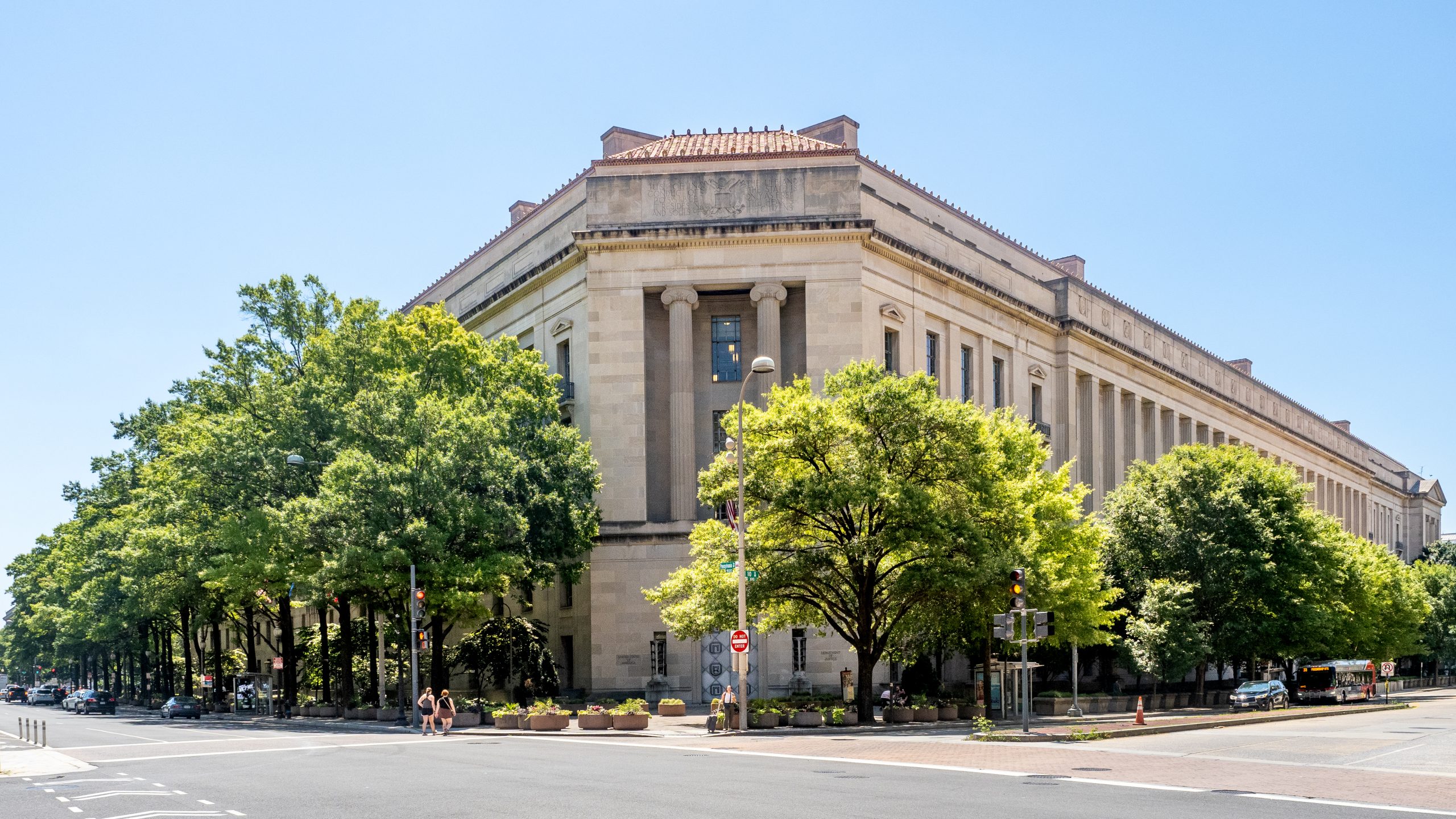
The final count was close, but not ambiguous: 52 senators voted yea, 46 voted nay and two did not vote. The two senators listed as not voting were Mark Kelly, Democrat of Arizona, and Cynthia Lummis, Republican of Wyoming.
That is the cleanest version of the story. Whatever arguments surrounded the nomination, the Senate made its decision on March 5, 2025, and the nomination was confirmed.
A party-line result emerged
The vote pattern made the confirmation politically legible almost immediately. According to the official roll call, all 52 yes votes came from Republican senators.
The 46 no votes came from Democratic senators and the chamber’s two independents who caucus with Democrats: Bernie Sanders of Vermont and Angus King of Maine.
That alignment matters because it helps explain why the nomination became a stand-in for a larger fight. Party affiliation largely predicted the result, even though the roll call itself does not explain each senator’s reasoning.
For readers trying to understand the vote, the split is the key context: this was not just a tally on a nominee. It became a visible measure of how each side framed the meaning of a recent election.
The mandate argument carried weight
Supporters of Blanche’s confirmation had a direct argument: elections are supposed to matter. A president who wins should be able to assemble senior officials who share the administration’s governing direction, including at the Justice Department.
In that view, confirming Blanche was not merely a partisan show of loyalty. It was a governing majority using the confirmation process to help staff an executive branch the voters had authorized.
That is why the language around ignoring voters became powerful. It framed opposition not simply as disagreement over one person’s nomination, but as resistance to the outcome of an election.
The argument has practical force. Administrations cannot carry out their agendas without confirmed personnel, and a senior Justice Department post can shape how legal priorities are managed inside the federal government.
The Senate’s role was the counterargument
Opponents had a different democratic claim. Voters elect a president, but senators also answer to voters and have a separate constitutional role in advice and consent.
From that perspective, a no vote does not automatically mean ignoring the electorate. A senator may oppose a nominee based on the interests of their state, concerns about the nominee, or a broader view of institutional checks and balances.
The deputy attorney general is not a symbolic office. It is the Justice Department’s second-ranking position, and the person in that role helps steer one of the federal government’s most consequential agencies.
That is why the office raised the stakes of the dispute. Opponents could argue that such a post requires serious Senate scrutiny, not automatic deference to the president’s preferred team.
Why the vote still resonates
Vote Number 105 did two things at once. It confirmed Blanche under nomination PN12-5, and it exposed the tension between presidential mandate and Senate independence.
The official numbers answer the procedural question. Blanche received 52 votes, more than the listed simple-majority requirement, and he was confirmed.
The political question is harder to settle. Supporters can point to the result and say the Senate honored voters by allowing the administration to fill a top Justice Department role. Opponents can point to the near-unified resistance and say the confirmation process remains a real check, not a formality.
- Confirmed: Todd Blanche, of Florida, as deputy attorney general.
- Vote: 52 yea, 46 nay, two not voting.
- Record: Vote Number 105, nomination PN12-5.
- Date: March 5, 2025.
What remains unclear
The roll call is definitive on the outcome, but limited on motivation. It does not show how much of the vote was about Blanche personally and how much was about the broader fight over executive power.
That uncertainty is part of why the confirmation drew attention. A personnel decision became a proxy for a larger question: how much should senators defer to a president’s election victory when the office at stake carries major legal and enforcement power?
The answer depends on which democratic obligation a senator emphasizes. One side sees the mandate to govern. The other sees the duty to review.
Blanche’s confirmation is settled. The argument it highlighted is not.
Leave a Reply