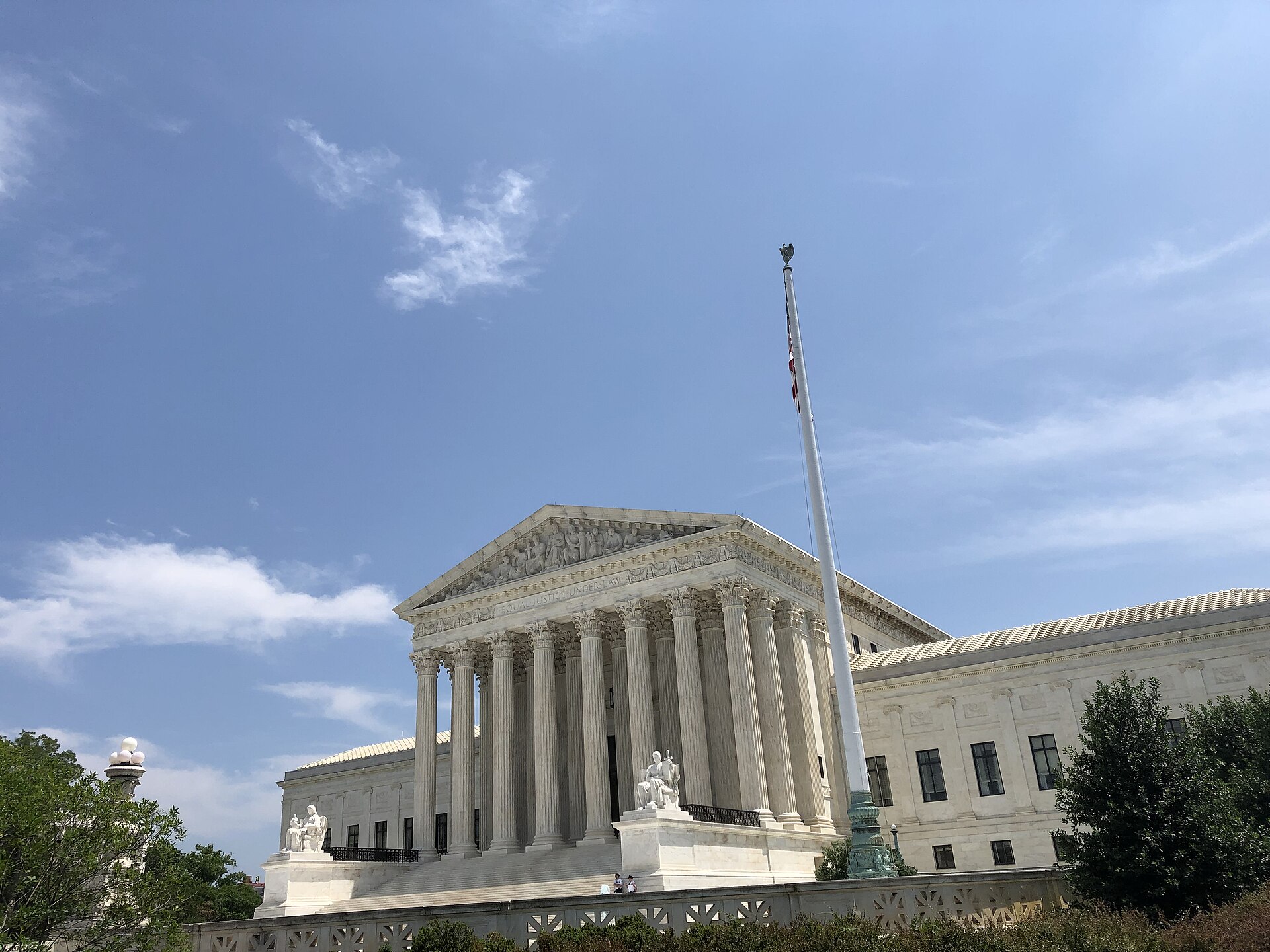
The decision does not let families rewrite public-school curricula. But it may force districts to be more careful when they deny religious objections to classroom materials.
The Supreme Court ruled 6-3 on Friday, June 27, 2025, that religious parents can opt their children out of some public-school lessons involving LGBTQ+ themes, a decision rooted in a Montgomery County, Maryland fight with the Montgomery County school board over LGBTQ+ storybooks. The ruling changes how schools handle notice and opt-outs, and it gives religious families new leverage when public schools decline to accommodate objections.
The case does not hand parents a universal veto over what schools teach. Its importance is narrower and more practical: when a district refuses advance notice and an opt-out for instruction that religious families say burdens their faith-based upbringing of young children, it may now face a stronger constitutional challenge.
A limited ruling with broad reach
The dispute, known as Mahmoud v. Taylor, began after Montgomery County Public Schools approved books for its language-arts curriculum that included LGBTQ+ characters and themes. The materials included stories involving a same-sex wedding and a Pride parade.
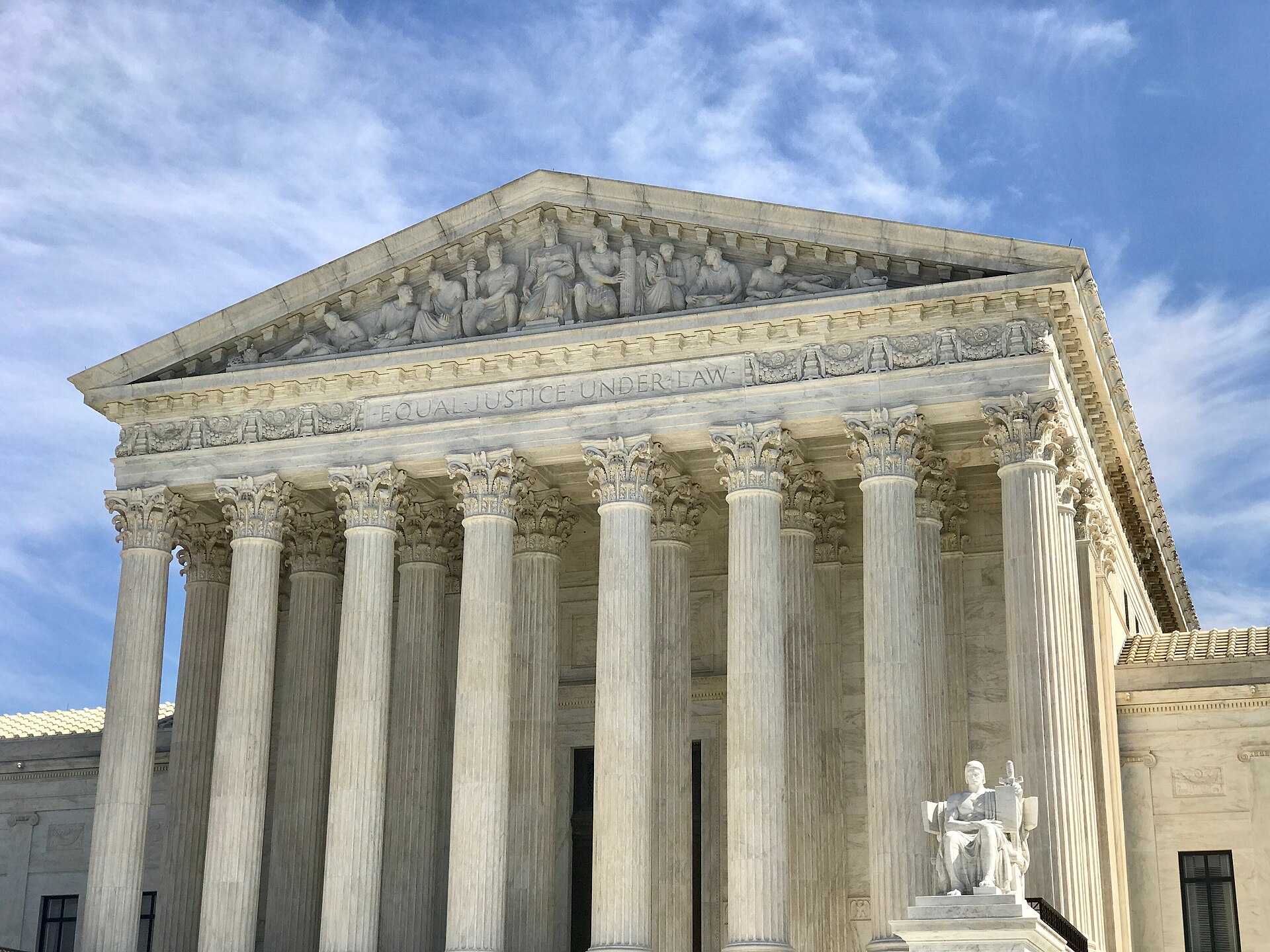
The district first allowed parents to excuse children from lessons using the books. It later ended that option, and Muslim, Catholic and Ukrainian Orthodox parents sued. They argued that the policy interfered with their First Amendment right to raise their children according to their religious beliefs.
The Supreme Court majority agreed that, at least while the litigation continues, the parents should receive notice when the books or similar materials are used and should be allowed to excuse their children from that instruction.
That is the reason the ruling is being watched beyond Maryland. It gives religious parents a clearer legal route when a school system rejects both notice and an opt-out process.
What Alito’s majority emphasized
Justice Samuel Alito wrote the majority opinion. He said courts are not school boards and are not suited to review every curriculum decision, a key limit on what the ruling does.
The majority framed the parents’ request as specific: they sought an exemption from a particular educational requirement that they said burdened their right to direct the religious upbringing of their children. The opinion did not present the case as a broad parental power to revise public-school instruction.
The court treated the school board’s policy as a serious burden on religious exercise. That triggered strict scrutiny, the demanding legal standard that asks whether the government has a powerful interest and has chosen a narrowly tailored way to serve it.
Montgomery County argued that opt-outs would be disruptive and that schools must maintain an inclusive, safe learning environment. The majority was not persuaded that the district had shown a refusal to accommodate was necessary, especially because the school system allowed opt-outs in other areas, including sex education.
Why Montgomery County mattered
Montgomery County was not a small test case. SCOTUSblog noted that the district enrolled nearly 160,000 students during the 2024-25 school year and is located in one of the most religiously diverse counties in the United States.
That scale made the conflict a vivid example of a problem facing many public schools: how to teach a shared curriculum in communities where families hold sharply different religious and moral views.
The age of the students also mattered. The parents argued that elementary-age children were being exposed to lessons on sexuality and gender before their families were ready to address those topics in the same way at home.
The school board and its supporters saw the curriculum differently. In their view, inclusive books in language arts do not require students to adopt any religious or moral belief; they expose children to the existence of different families and people in the broader community.
The dissent saw a bigger risk
Justice Sonia Sotomayor dissented, joined by Justices Elena Kagan and Ketanji Brown Jackson. Her concern was that the majority’s logic could make public education harder to manage if parents seek exemptions whenever classroom material conflicts with religious views.
The dissent focused on more than administrative burden. It warned about the purpose of public schools as places where students encounter a range of people and ideas, not only those already approved by each family’s faith tradition.
That disagreement now sits at the center of school-board policy. Districts may see inclusive materials as part of preparing students for a diverse society. Some parents may answer that inclusion cannot come at the cost of state interference with religious instruction of young children.
The majority treated the requested opt-out as a limited accommodation. The dissent warned that the same reasoning could invite broader exemption demands across more subjects.
Older precedents, newer disputes
The Supreme Court has long recognized parental authority in education. In the 1920s, Meyer v. Nebraska and Pierce v. Society of Sisters protected parents’ ability to direct children’s education against heavy-handed state rules. In 1972, Wisconsin v. Yoder sided with Amish parents who objected to compulsory high-school attendance on religious grounds.
The current wave of conflict is different because many objections arise inside public schools. Parents are not always trying to leave the system. They may want their children to remain enrolled while avoiding certain lessons, books, pronoun policies, surveys or counseling practices.
That creates a hard line-drawing problem. A constitutional right to guide a child’s upbringing does not mean each family can veto ordinary school decisions. Public schools also have obligations to educate students, prevent discrimination and run classrooms.
The Maryland ruling is significant because it links parental authority to religious exercise. That gives religious parents a stronger tool than a general curriculum complaint when they argue that a school policy substantially interferes with faith-based upbringing.
What districts may do next
The most immediate changes may be procedural. School districts may review how they notify families about sensitive materials, how they define opt-out rights and whether exemptions are applied consistently across subjects.
Boards will also need to be cautious before declaring opt-outs impossible. If a district permits exemptions in some areas but denies them in others, it may need a stronger explanation for the distinction.
The ruling does not automatically remove books from classrooms or libraries. It also does not say every parent has a constitutional right to avoid any lesson that causes discomfort. The case involved religious objections, young children, specific materials and the withdrawal of a previously available opt-out.
Still, the decision is likely to encourage more litigation. Parents, advocacy groups and school systems will test how far it reaches in disputes involving gender identity, sexuality, health education and diversity materials.
The unresolved line for schools
The next fights are likely to turn on the difference between exposure and coercion. Schools often argue that reading about a family, identity or historical event is not the same as requiring students to affirm a belief.
Some parents argue that repeated classroom instruction can shape the moral and religious development of young children in ways the Constitution should protect.
Another open question is how broad an opt-out order can be. In Montgomery County, the Supreme Court pointed to the books at issue and similar books. Future disputes may focus on what counts as similar, how much notice is required and whether exemptions can be administered without disrupting instruction.
For religious parents, the ruling is a meaningful gain, not a blank check. For school boards, it is a warning that inclusion policies must be designed with constitutional accommodation in mind.
Leave a Reply