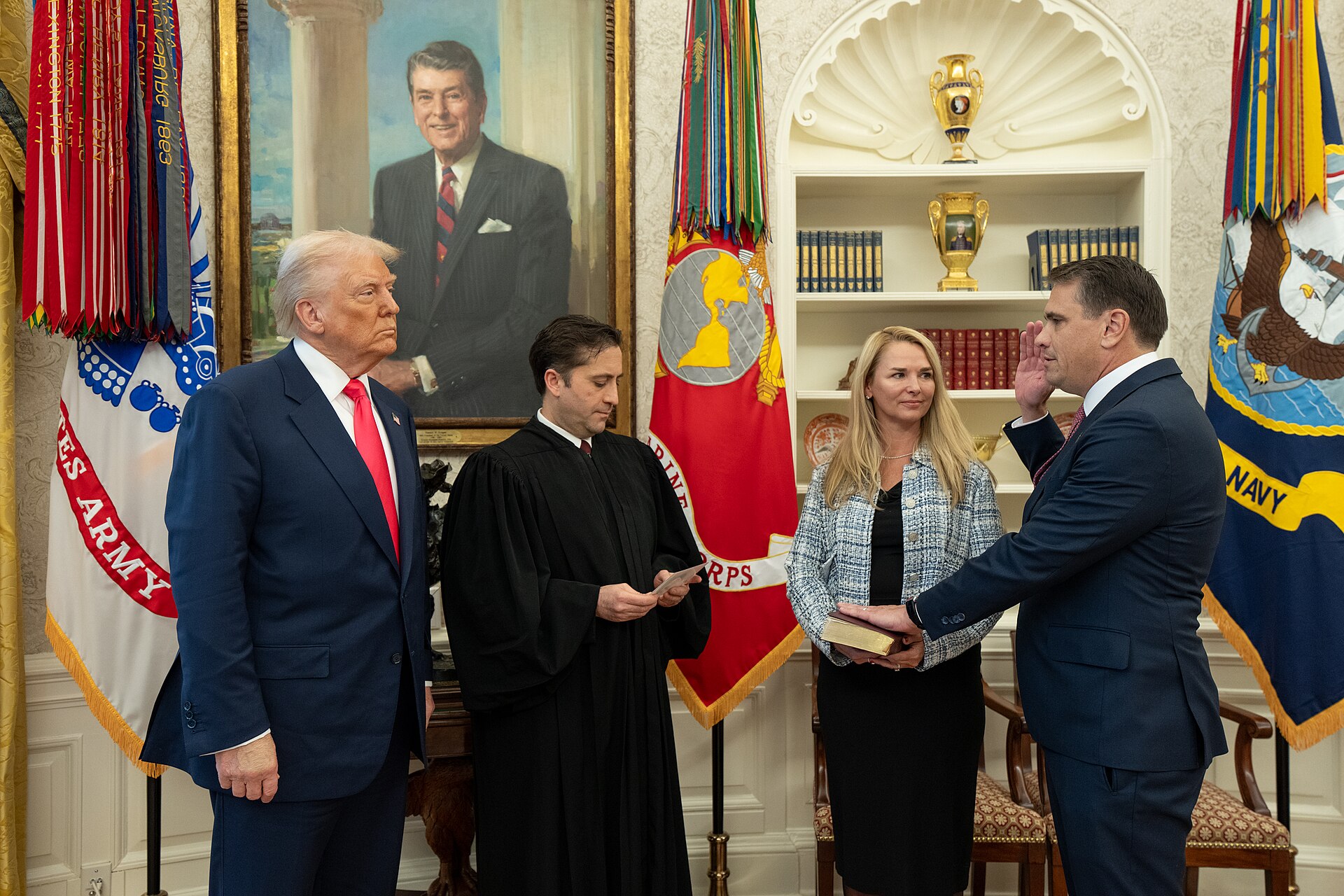
The delay exposed a sensitive problem for the Trump administration: Blanche’s path to confirmation now hinges on concerns from Republicans, not just Democrats.
The Senate postponed a key vote on Todd Blanche’s nomination to become attorney general. Republican holdouts were involved in the delay: Sens. John Cornyn and Thom Tillis withheld support before a planned Senate Judiciary Committee vote in Washington on Thursday, July 30th, 2026, after demanding more assurances from the Trump administration over an IRS settlement tied to President Donald Trump.
The standoff on Capitol Hill, after Blanche’s attorney general hearing at the Hart Senate Office Building on Wednesday, July 15th, 2026, is not just scheduling drama. It explains why Blanche’s attorney general nomination has hit resistance inside his own party, and why the confirmation fight now turns on written commitments from the Justice Department.
A delayed vote with real stakes
The Senate Judiciary Committee had been expected to decide whether to advance Blanche’s nomination to the full Senate. Instead, lawmakers scrapped the planned committee vote after it became clear there was not enough Republican support locked down.

A committee spokesperson said Wednesday night that the vote would be postponed "as work continues to secure sufficient support," according to NPR. That phrase matters: in a narrowly balanced committee, a couple of Republican defections can stop a nominee before the full Senate ever gets a say.
Blanche is not an ordinary nominee in this fight. He is the acting attorney general, a former personal attorney to Trump, and the official now trying to win Senate confirmation for the permanent post. That combination has made his record, his independence and his handling of Trump-related legal matters central to the debate.
Why Cornyn and Tillis balked
The immediate sticking point is the settlement of Trump’s lawsuit against the Internal Revenue Service. Cornyn of Texas and Tillis of North Carolina have pressed the administration for more clarity on what the settlement does — and does not — protect.
The case involved Trump’s lawsuit over his leaked tax returns. According to NPR’s reporting, the broader resolution included an agreement affecting tax claims against Trump and members of his family, along with a now-scrapped proposal for a $1.776 billion "Anti-Weaponization Fund" meant to compensate people who believed they had been wronged by the Justice Department.
The Justice Department said in June it was no longer moving forward with that fund after bipartisan criticism. But Cornyn and Tillis want written assurances that the fund is truly dead, along with clarification of the tax immunity language.
Cornyn has pushed for the administration to modify the settlement so it makes clear that any audit protection applies only to existing audits, not future tax filings. That is a narrow legal distinction with broad political consequences: it goes to whether the president could be shielded from later IRS scrutiny while his former lawyer runs the Justice Department.
The IRS deal is the flashpoint
The dispute has turned Blanche’s confirmation into a referendum on the Trump administration’s handling of the IRS settlement. Democrats were already expected to scrutinize Blanche’s independence. The more striking development is that Republican senators are withholding support unless the administration puts its promises in writing.
Cornyn’s public frustration sharpened the pressure. He accused the Justice Department of "stonewalling" and told reporters that "the ball is in Blanche’s court," according to NPR.
Justice Department officials sent new language to Cornyn and Tillis on Wednesday evening in an effort to address their concerns, NPR reported, citing a person familiar with the matter who spoke anonymously because the talks were sensitive. After the vote was postponed, the department said it looked "forward to continuing to work productively with Senators to address any concerns."
That is the official line. The political reality is messier. If Cornyn and Tillis are satisfied, Blanche’s nomination could regain momentum quickly. If not, the delay could become a more serious test of whether Senate Republicans will accept verbal assurances from the administration on a matter involving Trump’s personal legal and financial interests.
Trump downplays the trouble
Trump publicly minimized concern about Blanche’s path, calling his attorney general pick "outstanding." He also suggested Cornyn’s objections may be personal, saying, "Maybe John Cornyn’s upset with me because I didn’t endorse him," when asked about the senator’s requests.
That remark points to another layer of the standoff. Cornyn recently lost the Texas Republican Senate primary to Texas Attorney General Ken Paxton, whom Trump endorsed. The president’s comment frames Cornyn’s position as political payback; Cornyn’s stated objection is about the scope and durability of the IRS settlement.
Both interpretations can coexist in Washington. Personal politics often shape leverage, but that does not erase the substance of the demand. Cornyn and Tillis are asking for written language that could limit the administration’s flexibility and prevent a politically explosive fund from being revived later.
For Blanche, the problem is direct. He needs enough Republican support to clear committee, but giving the holdouts what they want could draw attention back to the settlement and invite more questions about why the Justice Department handled the matter as it did.
A judge already raised alarms
The IRS settlement has also faced scrutiny outside Congress. NPR reported that the judge handling the case issued a sharply critical ruling earlier this month, saying Trump had effectively engaged in self-dealing through the lawsuit and expressing concern that Blanche signed the settlement given his prior representation of Trump.
Blanche has said he disagrees with the judge’s insinuations about him. Still, the ruling gives senators a concrete reason to focus on the settlement rather than treating the controversy as partisan noise.
The unresolved issue is not only whether the "Anti-Weaponization Fund" is gone. It is whether the tax immunity language could give Trump protection beyond existing disputes. That question is why written language matters to the holdouts.
It also explains why the nomination stalled at the committee stage. Confirmation fights often revolve around ideology, past statements or management experience. This one has become entwined with a legal deal affecting the president who nominated Blanche.
What happens next
The committee has not announced a new vote date. The next step likely depends on whether the Justice Department’s revised language satisfies Cornyn and Tillis, and whether any other Republican senators raise fresh concerns once they see the details.
If the two senators come around, Blanche could still move to the full Senate. If they do not, the administration may have to decide whether to offer stronger written guarantees, renegotiate parts of the settlement language or risk a failed committee vote.
The delay does not mean Blanche’s nomination is finished. It does mean the Trump administration has not yet solved the central problem: persuading Republican skeptics that the IRS settlement will not create special protections for Trump or revive a fund Congress has already criticized.
For now, the vote is postponed, the nomination is in limbo, and the confirmation fight has shifted from Blanche’s résumé to the fine print of a settlement involving the president himself.
Leave a Reply