The invitation-only fight card was unlike a normal UFC event: no ticket revenue, extraordinary staging costs and a political setting that made the financial hit hard to ignore.
The UFC’s White House event lost the company tens of millions of dollars: TKO Group Holdings Inc. said on Aug. 3, 2026, that the Freedom 250 fight card at the White House in Washington, D.C., cost about $60 million to stage and produced the reported $30 million loss.
Donald Trump’s planned White House fight, held June 14, 2026, as part of the nation’s 250th birthday celebrations, was a political spectacle, a sports-business gamble and, according to TKO, an investment meant to pay off beyond ticket sales.
A $60 million showcase
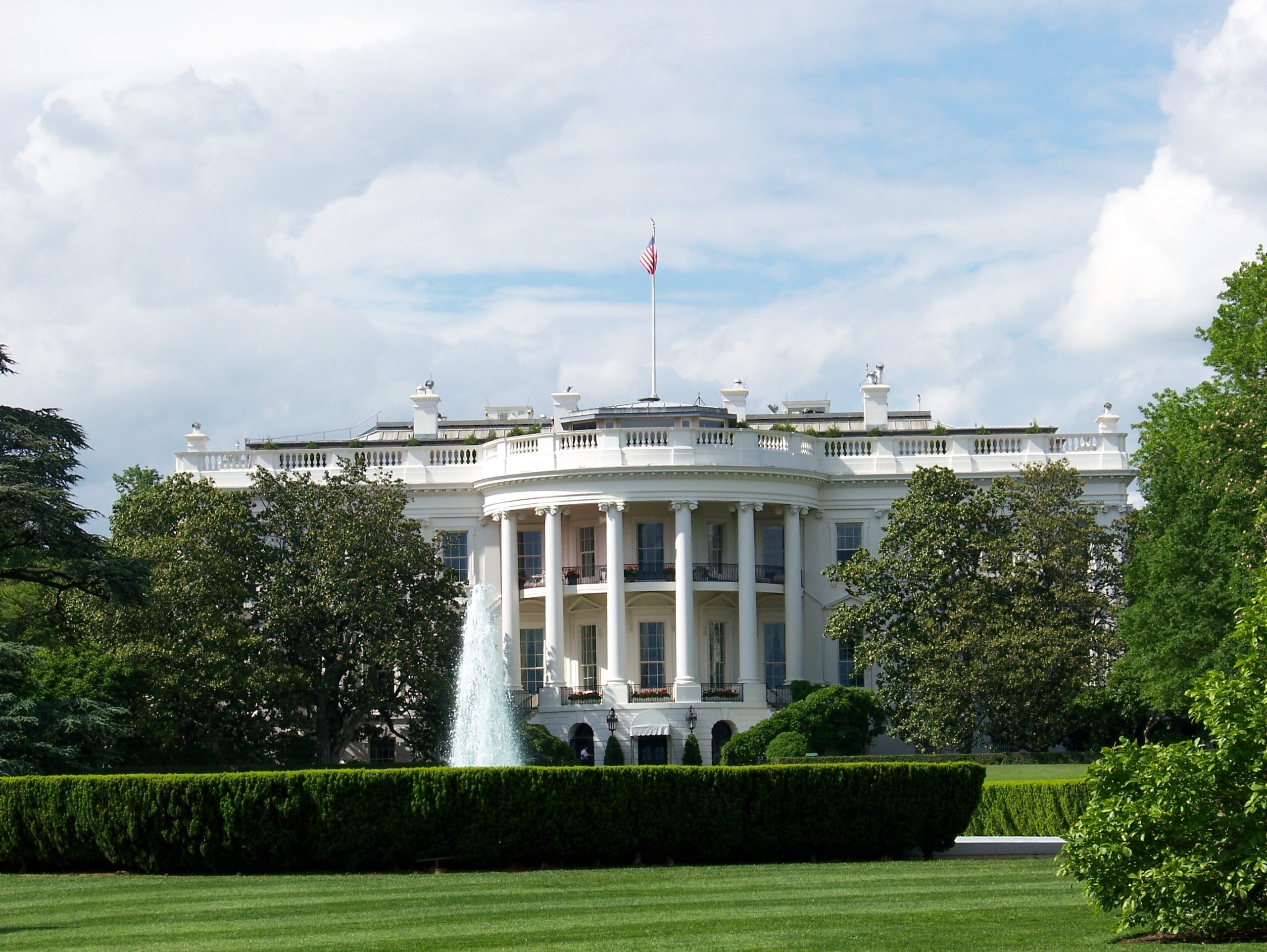
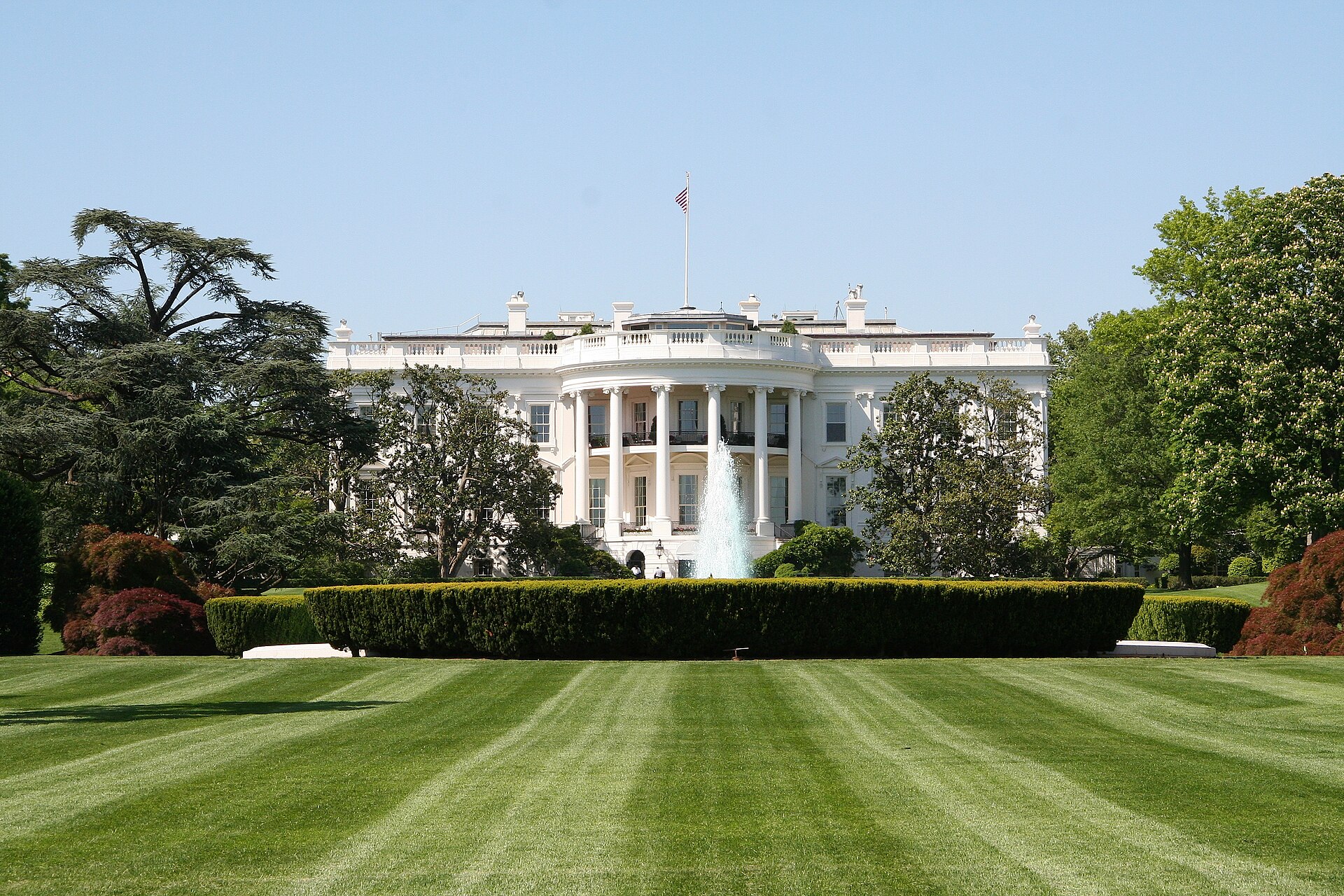
Freedom 250 was not built like a typical UFC night. It was staged on the South Lawn of the White House, tied to President Donald Trump’s celebration of America’s 250th birthday and attended by invited guests rather than paying fans.
Bloomberg reported that TKO, the parent company of UFC, said the event lost $30 million. USA Today, citing TKO’s Aug. 3 earnings disclosures and investor call, reported that UFC spent about $60 million to stage the June 14 spectacle and generated an approximately $30 million loss.
The size of the loss stands out because UFC events are usually designed around multiple revenue streams: tickets, hospitality, sponsorships, media rights and pay-per-view economics. Freedom 250 had the profile of a mega-event, but it was missing one of the most basic pieces of live-event income.
No tickets changed everything
The central business problem was straightforward: UFC did not sell tickets.
According to USA Today’s account of TKO’s earnings materials, the company said the absence of ticket sales for UFC Freedom 250 helped drive lower live events and hospitality revenue during the quarter. Roughly 4,000 invited guests attended the event on White House grounds, including administration officials, business figures, military service members and others.
That meant the event carried the costs of a high-end UFC production without the normal live gate. Security, staging, broadcast logistics, hospitality and White House-specific production demands pushed the cost structure far beyond an ordinary card.
TKO executives framed the loss less as a surprise and more as an expensive strategic choice. Chief Financial Officer Andrew Schleimer told investors the event’s financial profile was anticipated and that it resulted in an approximately $30 million loss, according to USA Today.
TKO says the hit was planned
For investors, the important question is not just whether UFC lost money. It is whether the company knew it would lose money and what it believes it bought with that loss.
TKO’s argument is that Freedom 250 delivered value in other forms: media attention, sponsorship leverage and new partnership conversations. Bloomberg reported that TKO said it gained in media exposure and partnership deals despite the loss.
Schleimer said on the investor call that UFC used the event to sign up partners affecting 2026, 2027 and, in some cases, 2028 and beyond, according to USA Today. That is the company’s preferred framing: the $30 million was not merely a loss, but a brand investment.
That case is plausible in sports business, where premium events often function as relationship machines. A company can justify a low-margin or no-margin showcase if it leads to long-term sponsorship money, distribution leverage or access to partners that a standard arena event would not attract.
The controversy was part of the price
Freedom 250 was controversial before the financial numbers arrived. Bloomberg noted that it was the first time a combat sports contest had been staged on the White House South Lawn.
That setting turned the event into more than a UFC card. It placed a private sports and entertainment property inside one of the most politically symbolic spaces in the country, during a celebration closely associated with Trump.
Supporters could see the event as a patriotic spectacle and a sign of UFC’s mainstream power. Critics could see it as an unusual blending of political office, presidential branding and commercial sports promotion.
That tension matters because UFC’s brand has long thrived on spectacle, loyalty and cultural combativeness. A White House event amplified all three. It also ensured that any financial loss would be judged not only as a business decision, but as a political and reputational one.
Dana White’s blunt takeaway
UFC CEO Dana White praised the event after it happened, describing the night in glowing terms, according to USA Today. But he also made clear the economics were not repeatable.
White said he could not afford to do it again and added, “we’ll never do this again,” USA Today reported. That comment undercut any idea that Freedom 250 could become a regular model for UFC.
The remark also clarifies the difference between a one-time spectacle and a sustainable business format. UFC can absorb a carefully planned promotional loss when the parent company is reporting large quarterly revenue. It cannot build its live-event business around invitation-only cards that eliminate ticket revenue while inflating costs.
TKO reported more than $1.5 billion in revenue during the second quarter of 2026, according to USA Today. In that context, a $30 million loss is significant but not existential. It is large enough to affect margins and attract scrutiny, but not large enough to derail the company.
What remains unclear
The biggest unanswered question is whether the promised long-term value will be measurable. Sponsorships and partnerships can be tracked, but assigning them directly to a single White House event is harder than calculating ticket revenue.
TKO says Freedom 250 helped strengthen business relationships and attract partners. Investors may eventually judge that claim by future sponsorship growth, UFC’s broader commercial momentum and whether the event helped the company command premium deals.
There is also a broader question for sports leagues and combat sports promotions: how much political proximity is worth. A White House showcase can create unmatched visibility, but it can also narrow the audience’s interpretation of the brand and invite backlash from fans who want sports kept separate from politics.
The clean takeaway is that UFC’s White House card achieved exactly what made it so divisive. It was impossible to ignore, expensive to stage and unlike anything the promotion had done before. On TKO’s books, it was a roughly $30 million loss. In UFC’s preferred telling, it was a costly bet on influence, exposure and future business.
Leave a Reply