
The Maine senator’s relationship with Donald Trump has long been more complicated than party labels suggest. JD Vance’s public praise brought that contrast into view during a campaign stop centered on another Republican candidate.
Sen. Susan Collins, the Republican from Maine, criticized Donald Trump as Vice President JD Vance praised her during a Thursday campaign appearance in Maine. The contrast matters because Vance’s visit put national Republican support for Collins on display while also underscoring her history as an occasional Trump critic.
Vance was in Bangor to campaign for former Maine Gov. Paul LePage, who is running for Congress, according to The Washington Post. Collins did not appear at the event, but Vance’s remarks nevertheless highlighted the unusual place she occupies in a party still shaped by Trump.
Vance’s praise carried a message
Public praise for Collins from the vice president was notable precisely because she is not a conventional Trump-aligned Republican. The Washington Post described Collins as a GOP moderate who has, at times, crossed the president.
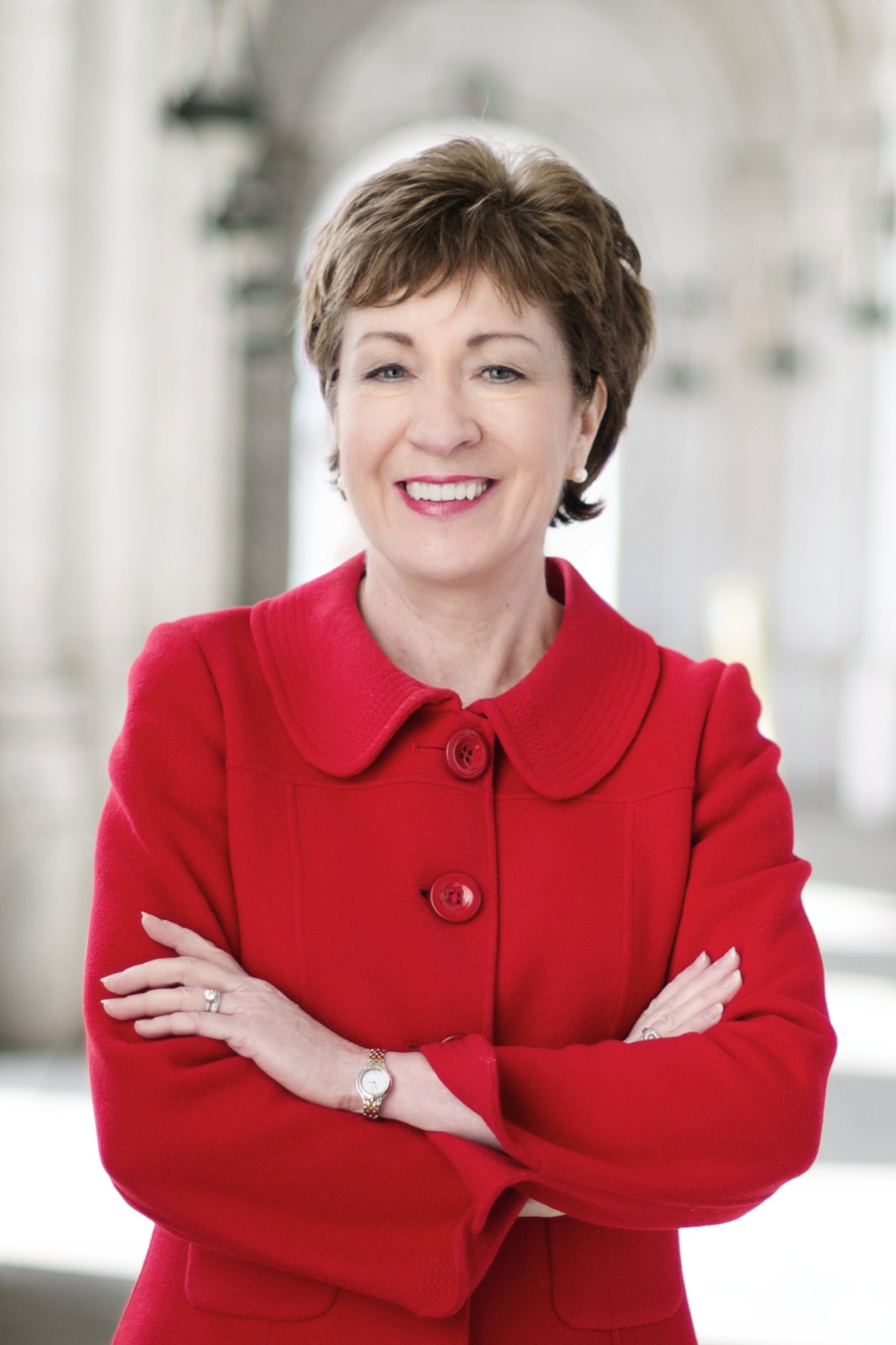
That makes Vance’s posture more than a courtesy toward a fellow Republican. It signaled that the administration sees value in keeping Maine’s best-known Republican within the party’s broader coalition, even when she does not move in lockstep with Trump.
The available reporting does not establish that Vance’s Bangor stop was a formal campaign event for Collins. He was there to support LePage’s congressional bid. But praising Collins in her home state allowed Vance to offer support without requiring a joint appearance or erasing their political differences.
Collins remains an independent voice
Collins has represented Maine in the Senate since 1997, according to Congress.gov, and has built a political identity around a more independent brand of Republicanism. Her willingness to criticize Trump is part of that image.
The original report characterized her comments as a sharp criticism of Trump, but the research material available here does not include the full wording or the specific issue that prompted it. That distinction is important: readers can recognize the political contrast without assigning Collins a broader position than the reporting supports.
For Collins, criticism of a Republican president can be politically useful with voters who value her independence. It can also create friction with Republicans who want elected officials to offer unqualified backing for Trump and his administration.
Maine puts both strategies on display
Maine is a useful setting for this tension because its politics do not always break neatly along national party lines. A Republican can need support from party loyalists while also appealing to independents and voters wary of national political conflict.
Vance came to Bangor to energize Republican voters and promote the administration’s anti-fraud efforts, the Washington Post reported. His principal campaign purpose was boosting LePage, whose House race is viewed as a Republican opportunity to flip a Democratic-held seat.
Collins’ absence kept the event from becoming a visual display of unity. Still, Vance’s favorable words allowed Republicans to communicate that Collins remains important to the party’s prospects in Maine.
Support does not erase the divide
There are two reasonable readings of Vance’s praise. Supporters may see it as practical recognition that a Senate Republican with a distinct political style can still be a valuable governing and electoral partner.
Critics may see a more tactical calculation: national Republicans want Collins’ standing in Maine while avoiding a direct confrontation over the times she has opposed or criticized Trump. Both interpretations can coexist.
What the moment does not show is that Collins and Trump have resolved their differences, or that Vance’s remarks amount to an endorsement of every position she has taken. Political praise at a campaign event often has narrower goals than a full statement of ideological agreement.
The coalition question behind the moment
The episode reflects a wider Republican challenge. Trump remains a defining force in the party, but Republicans seeking to win in politically mixed states often rely on candidates who present themselves as more independent than the national brand.
Collins is a particularly clear example of that balancing act. She is a Republican senator whose institutional seniority and local profile make her valuable, while her occasional breaks with Trump preserve a distinction that some Maine voters may expect.
Vance’s visit suggested that the party can try to accommodate both impulses: energize Trump-era Republican voters while treating a more moderate senator as an ally. Whether that balance holds will depend less on one speech than on future votes, campaign appearances and the issues that test the relationship again.
What remains unclear after Bangor
The reporting leaves several limits on what can be concluded. Collins was not present for Vance’s event, and the available material does not provide a detailed account of her latest criticism of Trump or a response from Trump.
It is also unclear whether Vance and Collins will appear together later in the campaign cycle, or whether their public contact will remain limited to gestures such as his praise in Bangor. Those choices would offer a clearer measure of how much political overlap exists beyond a shared party label.
For now, the significance is the contrast itself: Collins can criticize Trump, and Vance can still praise Collins in Maine. That is not necessarily a reconciliation. It is a reminder that electoral coalitions are often held together by strategic overlap rather than total agreement.
Leave a Reply