The court did not rule that President Donald Trump’s mail-ballot restrictions are legal. It ruled that the states challenging the executive order could not bring this particular case, leaving major questions for lower courts and election officials.
The U.S. Supreme Court backed President Donald Trump’s order to curb mail ballots by opening a path for possible implementation of restrictions on mail-in voting across the United States. The ruling does not settle whether Trump’s order is legal, and the scope and timing of any implementation remain uncertain as states prepare for the midterm elections.
The court’s action is consequential because it removes one barrier to the Trump administration’s plan, while leaving other lawsuits and at least one separate court order in place. For voters, election officials and the Postal Service, the immediate question is not simply what the Supreme Court decided, but what changes—if any—can realistically happen before ballots begin going out.
A ruling about who can sue
According to the Associated Press, the court’s conservative majority did not decide the underlying legality of Trump’s executive order. Instead, it concluded that the states bringing this challenge lacked the legal right, or standing, to sue in that case.
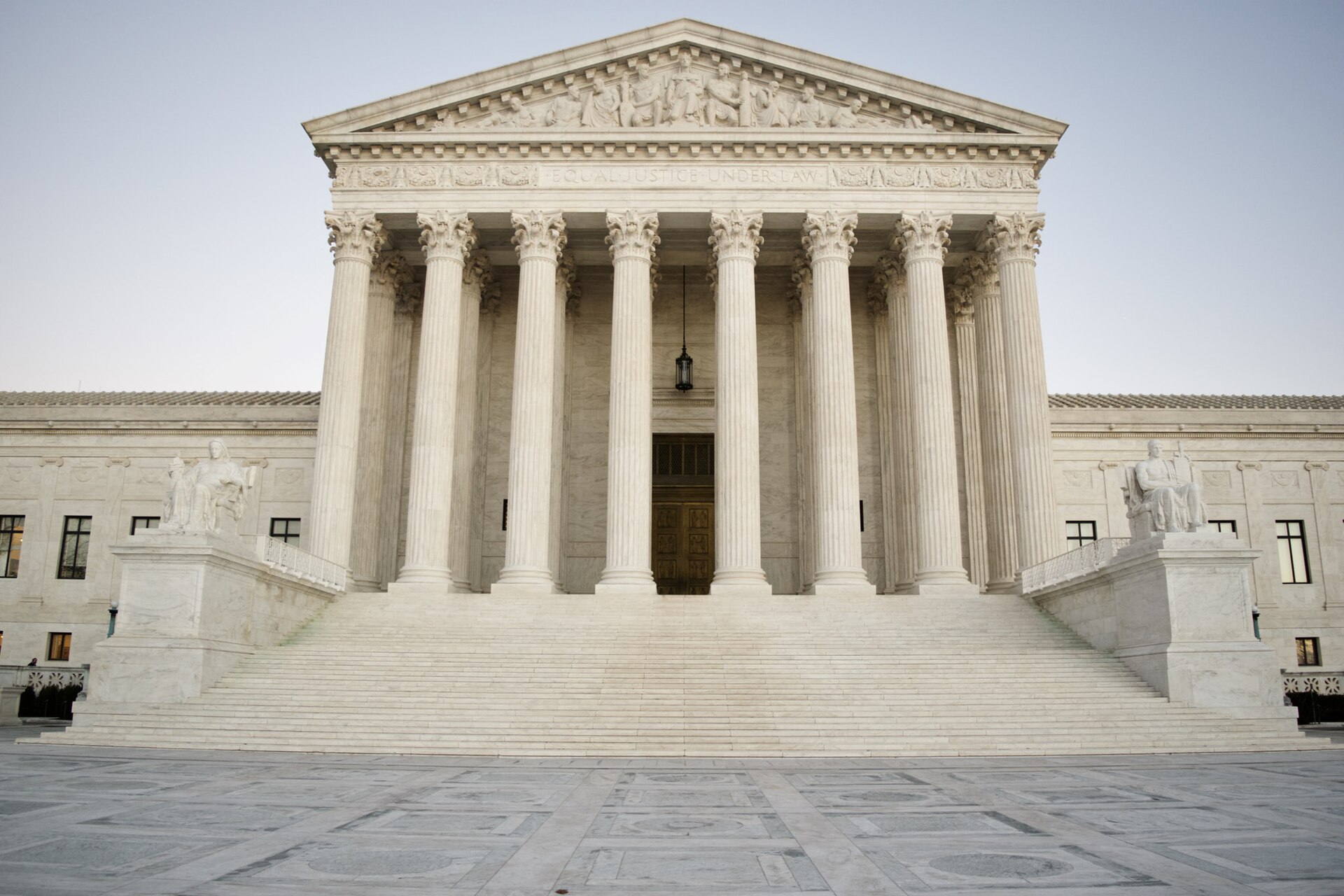
That distinction matters. A ruling on standing can end one lawsuit without declaring the government’s policy valid. The court itself cautioned in its unsigned order that its decision did not mean every action the federal government might take to implement the order would necessarily be lawful.
In plain terms, the administration won an important procedural fight, not a final ruling that it has broad authority to rewrite mail-voting rules. Other plaintiffs may try different legal theories, and lower courts can still assess specific steps taken under the order.
The three liberal-leaning justices dissented. Justice Ketanji Brown Jackson argued that the decision added to what she described as a difficult legal landscape for plaintiffs trying to challenge election-related government actions before they take effect.
What Trump’s order seeks to change
Trump signed the executive order in March as part of his long-running criticism of mail voting. The order calls for the administration to create lists of people eligible to receive mail ballots and directs the U.S. Postal Service to deliver ballots only to people appearing on those lists.
New requirements described by AP would prevent the Postal Service from sending mail ballots for states that do not comply with the administration’s order. That is the feature that has alarmed Democratic state officials and election administrators: a federal policy could affect how states distribute ballots even though states traditionally administer elections.
The administration has framed the proposed changes as election-integrity measures. Federal lawyers told the Supreme Court that lower-court orders were preventing the government from finalizing and implementing policies it says are designed to promote integrity in the upcoming federal elections.
Critics counter that the policy could make voting harder, sow confusion close to an election and intrude on powers held by states and Congress. They also point out that Trump has repeatedly claimed mail ballots invite fraud, despite strong evidence to the contrary and despite his own use of mail voting.
Election deadlines raise the stakes
The calendar makes this dispute unusually sensitive. AP reported that North Carolina is scheduled to send ballots to overseas and military voters on Sept. 4, with other states expected to follow soon after. Election systems are already moving from planning into execution.
Mail voting is not a single national program. Rules on eligibility, applications, deadlines, ballot tracking and verification vary by state. A federal restriction introduced close to voting could require states, local election offices and postal workers to adjust procedures while voters are already receiving instructions or ballots.
That does not mean the executive order will suddenly produce the same result everywhere. It means any attempt to enforce it must pass through a patchwork of state laws, existing election timelines and court orders.
State officials who oppose the order warned the court that transformative changes so close to an election could create serious disruption. Supporters of the administration’s position argue that states will have input on the voter lists and that the federal government should be able to advance its election-integrity agenda.
Other court orders still matter
The Supreme Court’s ruling did not erase every obstacle facing the administration. A federal judge in Massachusetts had blocked the plan for the midterm elections in the states that sued, and an appeals court upheld that ruling.
The same judge later issued a separate nationwide order in another case, according to AP. That broader injunction remains a major issue because it could still prevent the administration from acting even after the Supreme Court rejected the states’ standing in the earlier dispute.
After the Supreme Court acted, the Trump administration asked the Massachusetts judge to lift or suspend the nationwide block. The government has also pointed to a separate case in Washington, where a judge allowed the executive order to proceed, though that litigation also left room for later challenges tied to the policy’s actual implementation.
Those competing rulings illustrate why the Supreme Court’s order should not be read as a simple nationwide green light. The legal fight is now likely to focus on particular implementation decisions, the parties bringing challenges and whether those parties can show a concrete injury.
States retain a central role
The constitutional tension behind the dispute is straightforward but substantial: presidential administrations can direct federal agencies, while states and Congress hold major responsibilities for setting and running election procedures.
Democratic officials in 23 states and the District of Columbia sued to block Trump’s order. They argued that the Constitution assigns election authority to states and Congress and that the administration’s approach could invite disorder and partisan misuse.
A dozen Republican-leaning states supported the federal government’s position before the high court. Their involvement shows that the argument is not only over the mechanics of ballot delivery; it is also a dispute over how much federal influence is appropriate in an area usually managed state by state.
The Supreme Court did not resolve that larger division. Its action instead changes the litigation terrain, making it harder for these particular state plaintiffs to use this case to stop the policy before it is implemented.
The next fight is implementation
The practical test now is whether the Trump administration can overcome the remaining injunctions and translate the executive order into working procedures quickly enough to affect this year’s elections. The Postal Service had outlined how it would carry out the order, AP reported, but the agency did not immediately comment after the decision.
More lawsuits are likely. New York Attorney General Letitia James called the decision a setback but said it would not be the final word, while legal observers told AP that the conflict was only in its early stages.
For now, the clearest takeaway is narrow: the Supreme Court gave Trump’s administration room to pursue mail-ballot restrictions, but it did not approve every restriction or guarantee that voters will see new rules before November. The eventual effect will depend on lower courts, federal agencies, state election offices and a rapidly closing election timetable.
Leave a Reply