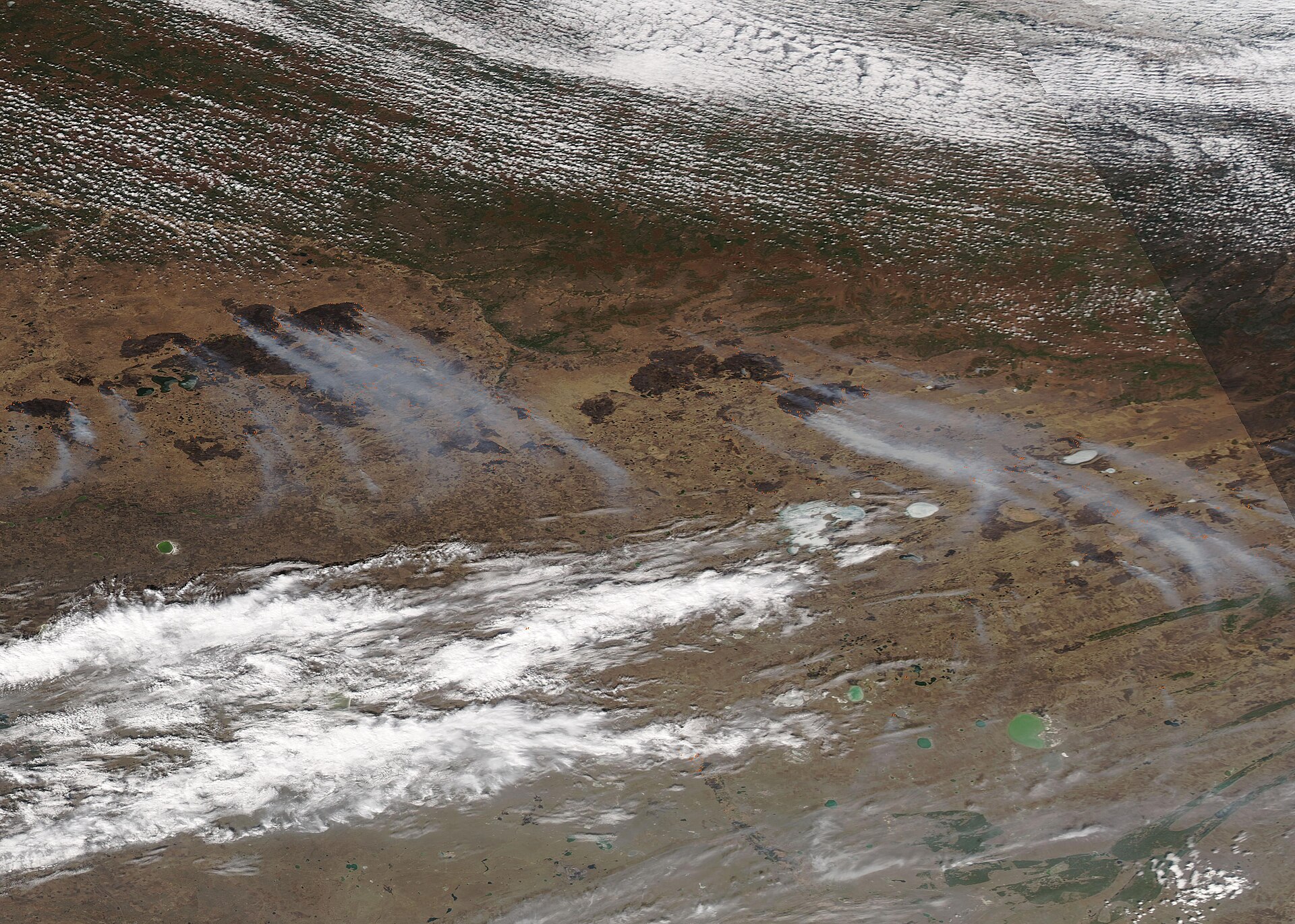
The emergency has turned parts of Washington’s second-largest city into an evacuation zone, with shelters filling and officials seeking federal help. Cooler weather may offer firefighters a narrow opening, but wind shifts and dry conditions remain serious threats.
Wildfires are expanding in the Spokane area of Washington, where about 65,000 people have been forced from their homes as three major fires burn across Spokane County. The evacuation crisis caused by the fires is now the central emergency for residents, firefighters and local officials, with homes and other structures destroyed and neighborhoods still under threat.
Officials have described a fast-moving disaster shaped by hot, dry weather and shifting winds. According to NPR, the Spokane-area fires have burned more than 7,000 acres, destroyed about 700 structures and become part of a wider outbreak of 17 wildfires across Washington.
Three fires are driving evacuations
The Spokane emergency is not a single fire line. It is a cluster of major blazes pressuring the same region at once: the Old Trails Fire, the Autumn Lane Fire and the Fairview Fire.
The Old Trails Fire, burning northwest of Spokane, is the largest and most destructive of the three. NPR, citing Washington’s Department of Natural Resources, reported that it had grown to more than 3,600 acres.
Spokane is Washington’s second-largest city, with more than 230,000 residents. That makes the scale of the evacuation unusually disruptive: when tens of thousands of people are told to leave, the impact reaches roads, shelters, hospitals, schools, workplaces and extended family networks far beyond the fire perimeter.
Spokane Mayor Lisa Brown told NPR that nearly half of the city’s neighborhoods had either been evacuated or were at risk. She said a large area had been placed under Level 3 evacuation orders, meaning residents should leave immediately.
Firefighters get a narrow weather break
Cooler temperatures forecast for the Spokane area could help crews trying to gain ground. That does not mean the danger has passed.
Firefighters have been working against the conditions that make inland Northwest fires so difficult to control: dry fuels, wind-driven runs and long stretches without meaningful rain. Brown told NPR that winds had shifted and the fires were not contained at that point.
The forecast matters because fire behavior can change quickly when temperatures fall or winds calm. Lower heat can reduce the intensity of flames and help crews build or hold containment lines. But without rain, dry grasses, brush and timber can still ignite and carry flames into neighborhoods.
That tension is why officials are being cautious. A cooler day can create opportunity for firefighters, but it does not by itself make evacuation zones safe to reenter.
Residents are leaving with little
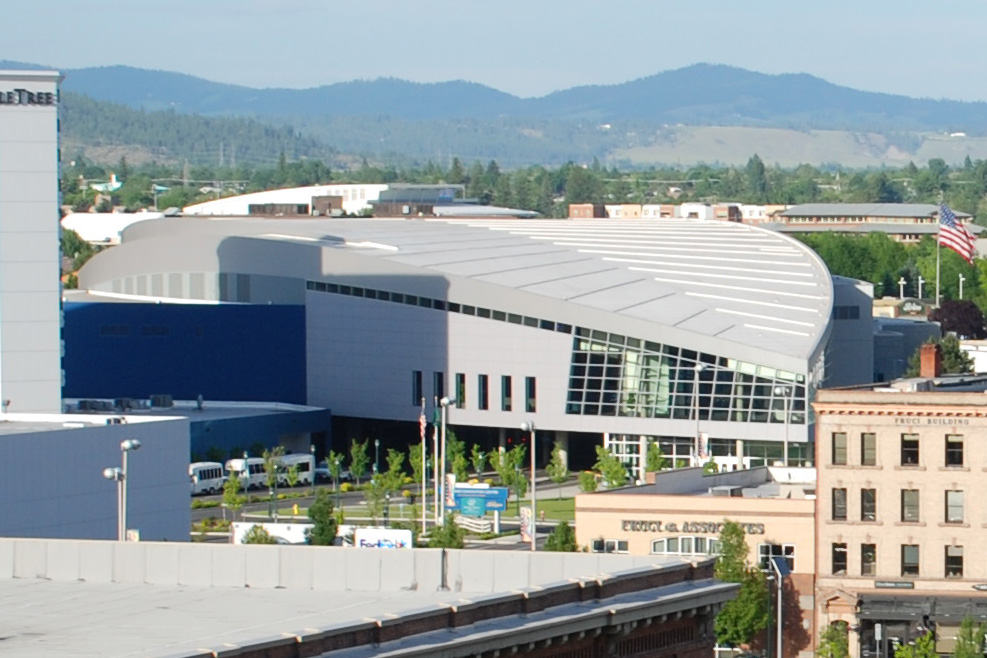
The human toll is already visible in shelters and burned neighborhoods. NPR reported that hundreds of people, including many older residents, were staying at a Red Cross shelter at the Spokane Convention Center.
Some evacuees left with almost nothing. Charlie Patrick, 54, told NPR she evacuated on Saturday and did not know whether her apartment had burned. She said she hoped it was still there, but feared losing memories, photographs and belongings she could not replace.
Another resident, Alicia Davidson, told Northwest Public Broadcasting that she and her husband lost their home and were facing the reality of starting over. Those individual losses explain why structure counts only partly capture the damage. A burned home is also documents, medication, pets, heirlooms, tools, clothes and the small routines that make daily life feel normal.
There were no immediate reports of deaths or injuries in the NPR account. That is significant, but it does not make the event minor. Mass evacuations can still leave people displaced for days or weeks, and some may return to find utilities cut, roads closed or homes unsafe.
An arson case adds uncertainty
The cause of the fires remains an important public question, especially as officials investigate the Old Trails Fire. NPR reported that the Spokane County Sheriff’s Office arrested Aaron Farinacci, 37, Monday night in connection with its investigation into that fire.
Authorities said Farinacci was arrested at his Spokane home without incident and was being charged with first-degree arson, according to NPR. An arrest and charge are not a conviction, and the legal process will determine what prosecutors can prove.
For residents, the investigation adds another layer to an already volatile emergency. If a fire is suspected to be human-caused, officials must balance public information with the needs of an active investigation.
What remains unclear is whether investigators believe one ignition point, multiple starts or separate causes are involved across the Spokane-area fires. That distinction matters for accountability, prevention and future emergency planning.
State leaders press for aid
Washington Gov. Bob Ferguson said the state moved quickly to seek federal help. At a Monday news conference, he said he had spoken with President Trump and federal officials, and later told NPR’s Here & Now that the state had submitted a request for an emergency declaration.
Federal disaster assistance can be crucial after a fast-moving fire because local governments face costs that pile up immediately: shelter operations, emergency response, debris management, road closures, utility repairs and support for displaced residents.
Sen. Maria Cantwell described the fires as stemming from a historic weather event, pointing to El Niño-fueled hot, dry conditions, according to NPR. Brown also linked the event to longer-running climate risks, saying Washington residents have known for years about wildfire danger but that this situation was unprecedented.
That framing is likely to shape the debate after the flames are controlled. One camp will focus on immediate response: evacuations, firefighting resources and getting people home. Another will argue the Spokane disaster shows the need for deeper investments in defensible space, forest and grassland management, utility resilience, building standards and climate adaptation.
What remains unclear now
The next critical questions are practical ones: when evacuation orders can be lifted, how many homes are confirmed destroyed, whether containment improves with cooler weather and how quickly federal aid may arrive.
Residents under evacuation orders should rely on local emergency alerts, Spokane County updates and official fire information rather than social media posts or neighborhood rumors. Fire perimeters and road closures can shift faster than unofficial maps are corrected.
The Spokane wildfires have already become one of Washington’s most disruptive emergencies of the season because of where they are burning. A remote wildfire can threaten forests and rural structures; these fires are pressing into a major population center.
The clean takeaway is sobering: even if the weather gives firefighters a break, the evacuation crisis will not end all at once. For about 65,000 displaced people, the measure of recovery will be counted not only in acres contained, but in safe returns, confirmed losses and the long process of rebuilding lives around Spokane.
Leave a Reply