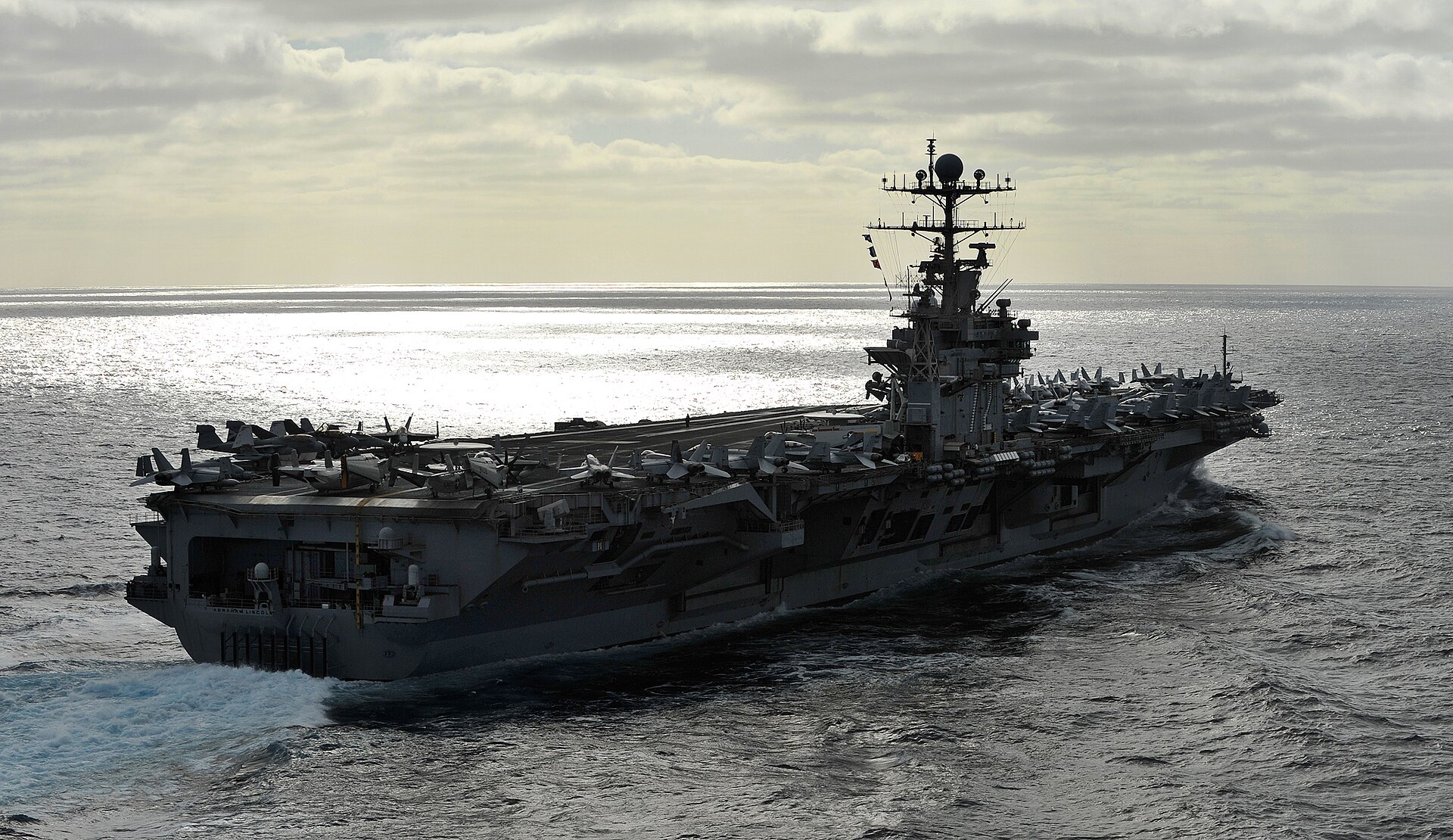
Families of sailors say a record-length stretch at sea has intensified worries about daily conditions and well-being aboard the carrier. The Navy says it has maintained access to clean water, functioning air conditioning and healthy meals while operating in a contested environment.
Officials are demanding an investigation involving the USS Abraham Lincoln after families of sailors raised alarms about conditions aboard the ship. Senate Democrats are seeking answers from the Navy over reports of supply shortages, maintenance problems and mental health strain during the carrier’s extended deployment.
The immediate dispute is over what life has been like for roughly 5,000 sailors and Marines aboard the USS Abraham Lincoln, and whether Navy support has matched the demands of a mission that has kept the ship at sea for more than 200 consecutive days, according to lawmakers and family accounts.
Lawmakers press for accountability
Sen. Richard Blumenthal of Connecticut wrote to Defense Secretary Pete Hegseth and acting Navy Secretary Hung Cao seeking an accounting of conditions aboard the carrier. Blumenthal said the Lincoln had been deployed for more than 250 days and had not come ashore in over 200 days.
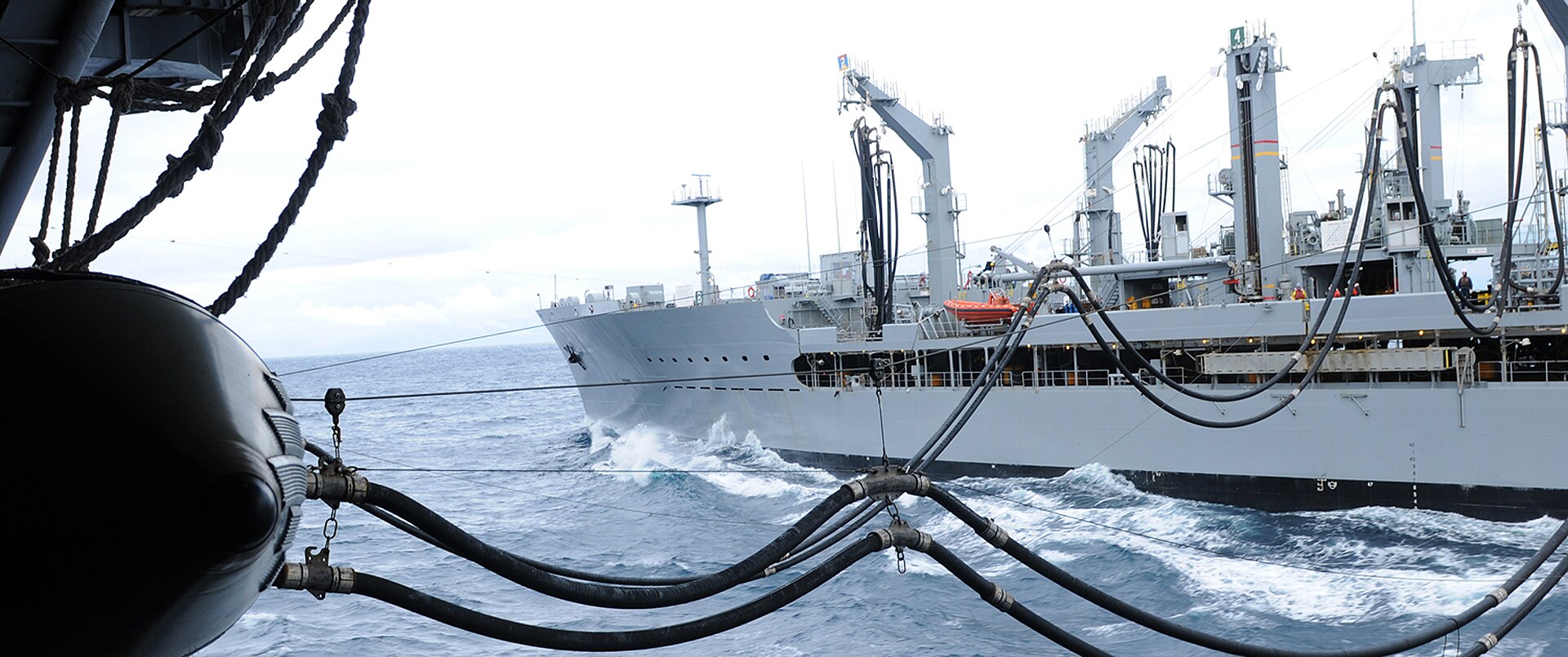
His concerns included reports of shortages of basic supplies, possible water contamination, plumbing problems, deck-safety issues and deteriorating mental health. Those are serious allegations, but they remain allegations raised in the senator’s letter and in reports cited by families; they are not findings of a completed official investigation.
Sen. Ruben Gallego of Arizona separately called for the Navy to allow a bipartisan congressional delegation to visit the ship for oversight. That request is significant because it would move the debate beyond letters and public statements toward direct congressional fact-finding.
Families describe pressure at sea
Family members have confronted Navy leadership in recent meetings, according to reporting cited by CBS News. They described food shortages and uncertainty over when their loved ones would return home.
Some relatives also reported severe mental health concerns. Reports that sailors may have tried, or been stopped from trying, to go overboard have added urgency to the calls for scrutiny.
Two U.S. officials told CBS News that one sailor went overboard last month and was recovered safely. The circumstances surrounding that incident are under investigation. Officials have not publicly tied it to the broader complaints about deployment conditions.
The distinction matters. Families may see separate warning signs as part of a larger pattern, while the Navy and any eventual review will need to determine what is verified, what is connected and where command decisions or supply constraints played a role.
The Navy disputes key claims
A Navy official told CBS News that the Lincoln is operating in a highly contested environment in which traditional supply hubs in the Middle East were disrupted by combat actions. The official said commanders prioritized supplies in this order: food, hygiene items and mail.
The Navy said current reports from the ship show continuous access to clean water, functional air conditioning and healthy meal options. It also said available command information did not show an increase in reported suicidal ideation or suicide attempts aboard the ship.
That response does not settle the dispute. It draws a line between the Navy’s operational assessment of services on board and the accounts from family members and lawmakers, who are questioning whether the carrier’s long deployment has created conditions that official status reports may not fully capture.
The Navy says the ship has a support network that includes deployment-resilience counselors, chaplains, medical professionals, Fleet and Family Support Center services and Military OneSource. The unresolved issue is whether those resources are sufficient and readily accessible during a prolonged, high-pressure mission.
A deployment length with consequences
Aircraft carriers are built to remain at sea for long periods, but endurance is not simply a question of fuel or aircraft readiness. A carrier functions as a floating community, relying on steady deliveries of food, spare parts, hygiene supplies, medical support and reliable systems for thousands of people.
Long deployments can put pressure on that ecosystem even when a ship remains mission-capable. Delays in resupply can affect daily routines; broken plumbing or reduced communications can become more consequential when crews do not have a clear return date.
The Abraham Lincoln’s case also highlights the tension between operational secrecy and family reassurance. The Navy may be limited in what it can disclose about a carrier working near active conflict zones. Families, meanwhile, are seeking enough information to understand whether shortages, safety concerns and stress are being addressed.
That gap can erode trust quickly. For lawmakers, the question is not only whether individual reports are accurate, but whether the Navy’s communication and oversight systems are adequate for a deployment of this length.
What oversight could establish
A congressional visit or formal inquiry could seek practical answers: the status of food and water supplies, maintenance backlogs, medical staffing, mental health referrals, safety reporting and the schedule for relief or return. It could also examine how commanders communicated operational constraints to sailors and their families.
Any review would need to account for the military context. The Navy says combat disruption affected regional supply hubs, a factor that may explain logistical stress without excusing preventable failures. Lawmakers are likely to focus on what contingencies were in place once those disruptions became clear.
There is also a political dimension. The current demands have come from Democratic senators, while Gallego has specifically requested bipartisan oversight. A bipartisan delegation could give any findings broader credibility, particularly if its members have access to sailors, command leadership and operational records.
For now, there is no publicly announced independent investigation into all of the reported conditions aboard the Lincoln. There is an active investigation into last month’s overboard incident, and there are mounting calls for wider oversight.
The larger test is trust
The USS Abraham Lincoln remains a central U.S. military asset, but its effectiveness depends on the people who operate it. Reports of hardship during an extended deployment raise a basic readiness question: can the Navy sustain the crew as reliably as it sustains the mission?
Lawmakers and families are asking for verifiable answers, not simply assurances. The Navy has offered a sharply different account, saying core services remain available and its support systems are in place.
What happens next will depend on whether the Pentagon provides detailed responses, whether Congress gains direct access to the ship and whether an investigation clarifies the reports now driving concern. Until then, the Lincoln’s deployment is becoming a test of both logistical resilience and institutional transparency.
Leave a Reply