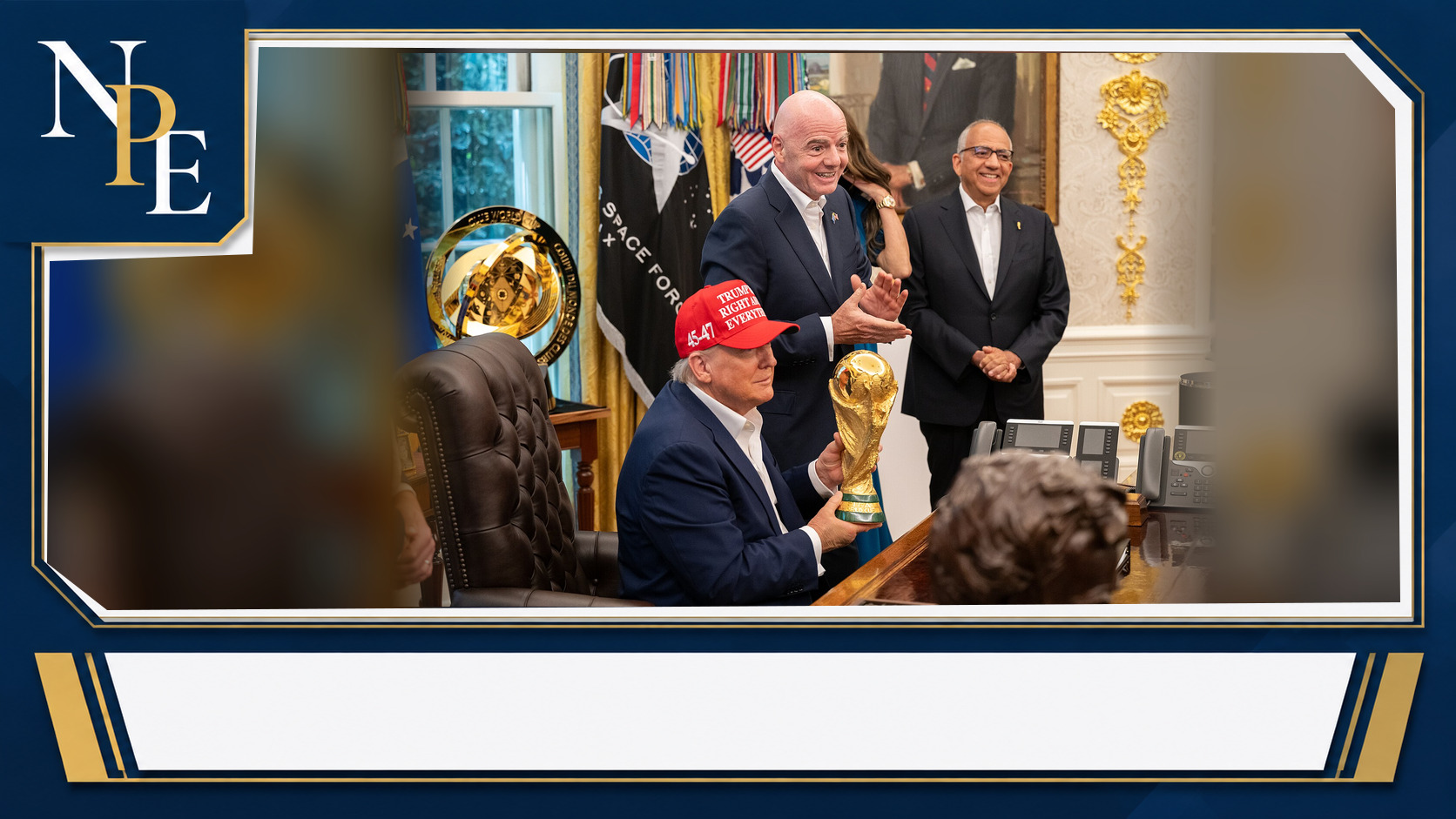
A BBC Sport assessment shows a broad but unsettled opposition to FIFA president Gianni Infantino. The real test is whether regional critics can turn their shared anger into support for one challenger.
Gianni Infantino faces a split among FIFA members: 124 FIFA members oppose Infantino, while 73 support him and 13 are undecided among the organization’s 210 eligible voting associations. The division has put his expected FIFA re-election in doubt after backlash over his abandoned proposal to sell stakes in World Cup and other competitions to private investors.
The numbers suggest a remarkable reversal for a FIFA president who, as recently as mid-July, appeared likely to win a fourth term without a serious contest. But the Split Among FIFA Members is not yet a finished election result: no challenger had formally declared, and the positions tracked by BBC Sport remain fluid.
Why the 124-to-73 count matters
On its face, the assessment points to a serious political problem for Infantino. A larger group of FIFA associations is currently counted as opposing him than supporting him, a stark contrast with the impression only months ago that his re-election would encounter little resistance.
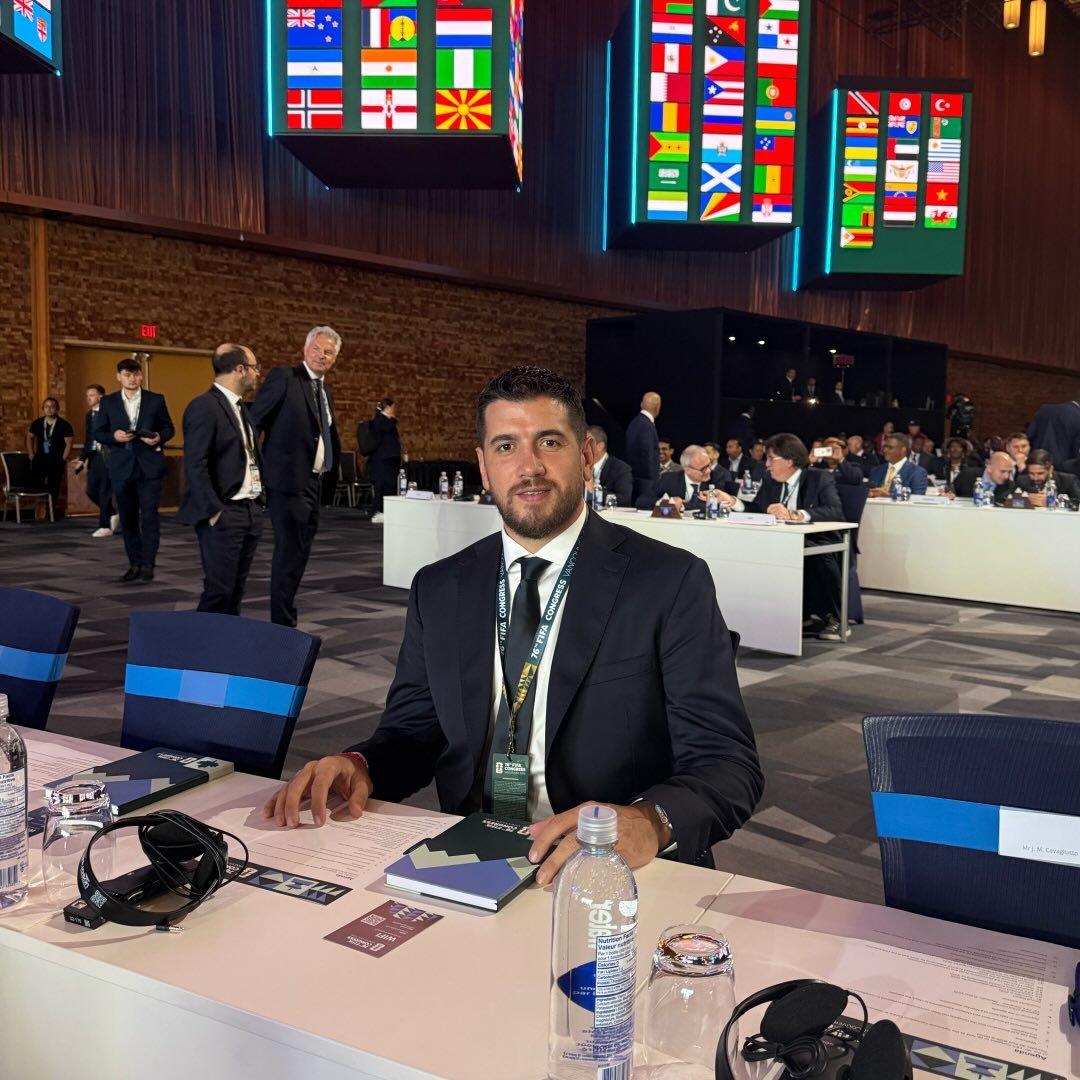
The dispute grew from a proposal to sell private-investor stakes in FIFA’s most valuable competitions, including the World Cup. Although the plan was abandoned, the fallout has persisted because the argument came to involve confidence in how FIFA dealt with member associations over events and revenues central to world football.
A united opponent could make next March’s presidential contest a direct verdict on whether Infantino should remain in charge. Yet raw totals only tell part of the story in an organization where every eligible association controls its own vote.
BBC Sport’s country-by-country assessment is a snapshot rather than a final count. Some associations have publicly stated their positions, some communicated directly with the outlet, and other placements reflect the stated position of a continental confederation. Those different levels of certainty matter when the outcome could turn on individual decisions.
Three confederations drove the backlash
The clearest public resistance came from UEFA, Concacaf and the Asian Football Confederation, or AFC. In a joint letter, the three bodies accused Infantino and FIFA of breaking trust “through deception” in relation to the investment proposal.
Together, those confederations account for 136 associations: 55 in UEFA, 46 in the AFC and 35 in Concacaf. Their intervention elevated the matter from a disagreement over a commercial proposal into a potential challenge to FIFA’s leadership.
England and Wales went further by formally withdrawing letters backing Infantino that they had sent in connection with next year’s election. Even so, support for a confederation’s criticism is not necessarily the same as an explicit declaration that an association wants Infantino replaced.
That distinction is particularly important in Concacaf. The United States and Canada supported Concacaf’s latest statement but had not explicitly said they wanted Infantino out. A coalition can agree that trust was damaged without agreeing on what should happen in a presidential vote.
His remaining support has practical roots
Infantino still has important backing, particularly in Africa and South America. FIFA’s investment in member development during his roughly decade in office has helped create goodwill among associations that have received more funding and support.
FIFA Forward, the development program that has distributed billions of dollars for football projects, is a major part of that relationship. For smaller associations, funding for facilities, grassroots programs and competitions can carry substantial weight alongside concerns about governance and decision-making.
The regional lines are also less solid than the joint letter might imply. Bhutan, the Philippines and the United Arab Emirates have supported Infantino even though the AFC was part of the criticism. Mexico has backed him despite the broader Concacaf position.
Those examples underline the limitation of treating a confederation’s public stance as a guaranteed voting bloc. FIFA’s individual member associations, not the confederations themselves, cast the votes. That leaves room for Infantino to rebuild support and for the current numbers to change.
Asia and Oceania remain pivotal
Asia is the most consequential unsettled region because the AFC’s 46 votes could materially reshape the contest. Many of its associations had not publicly settled on a position in the BBC Sport account, leaving a large group open to competing efforts by Infantino and his critics.
Saudi Arabia’s position is being watched closely. It had not made a public choice in the assessment, while its football leadership was due to hold elections in August. Saudi Arabia received the 2034 World Cup during Infantino’s presidency, giving its direction added significance beyond one vote.
Oceania is unresolved as well. The Oceania Football Confederation said it began consulting members on July 30 and expected a position after an executive committee meeting in Fiji. Its 11 votes are smaller in number, but could matter if the main camps are closely matched.
Uncertainty does not automatically help either side. Infantino needs to keep existing allies and persuade undecided associations that the abandoned proposal should not define his tenure. Opponents need to turn shared criticism into a clear, coordinated alternative.
The rules favor a unified challenger
If only two candidates run, the winner needs a simple majority: 106 votes from the 210 eligible associations. Nepal is FIFA’s 211th member but is suspended and currently has no voting rights.
If three or more candidates enter, a candidate must win two-thirds of the vote in the first round. If no one reaches that threshold, the election proceeds to a second round, where a simple majority is enough.
That system gives the shape of the opposition unusual importance. A divided field could benefit Infantino even if a considerable number of associations are unhappy with his leadership. One broadly supported rival would create a much clearer test of the apparent 124-to-73 divide.
No challenger had formally entered the race at the time of the BBC report. Candidates have until November to declare an intention to run, leaving time for alliances, public positions and the underlying vote estimate to shift.
A council move looks less likely
There is another possible route to ending Infantino’s tenure before an election: an emergency FIFA Council meeting seeking his resignation. Such a meeting must be held within two weeks if 19 of the 37 council members demand it.
That is a difficult threshold because the council reflects many of the same regional divisions affecting the broader membership. It includes nine UEFA representatives, seven from the AFC, six from Africa, five each from Concacaf and South America, three from Oceania, plus Infantino and FIFA secretary general Mattias Grafstrom.
An electoral challenge therefore appears more plausible than a council effort. The central unanswered issue is whether UEFA, Concacaf and the AFC can unite behind one candidate rather than simply unite around criticism of FIFA’s handling of the investment proposal.
For now, Infantino’s position is weaker than it was, but not settled. His opponents have the broader apparent coalition, his supporters remain influential in key regions, and the 13 undecided associations could help determine whether FIFA’s leadership crisis becomes an actual change at the top.
Leave a Reply