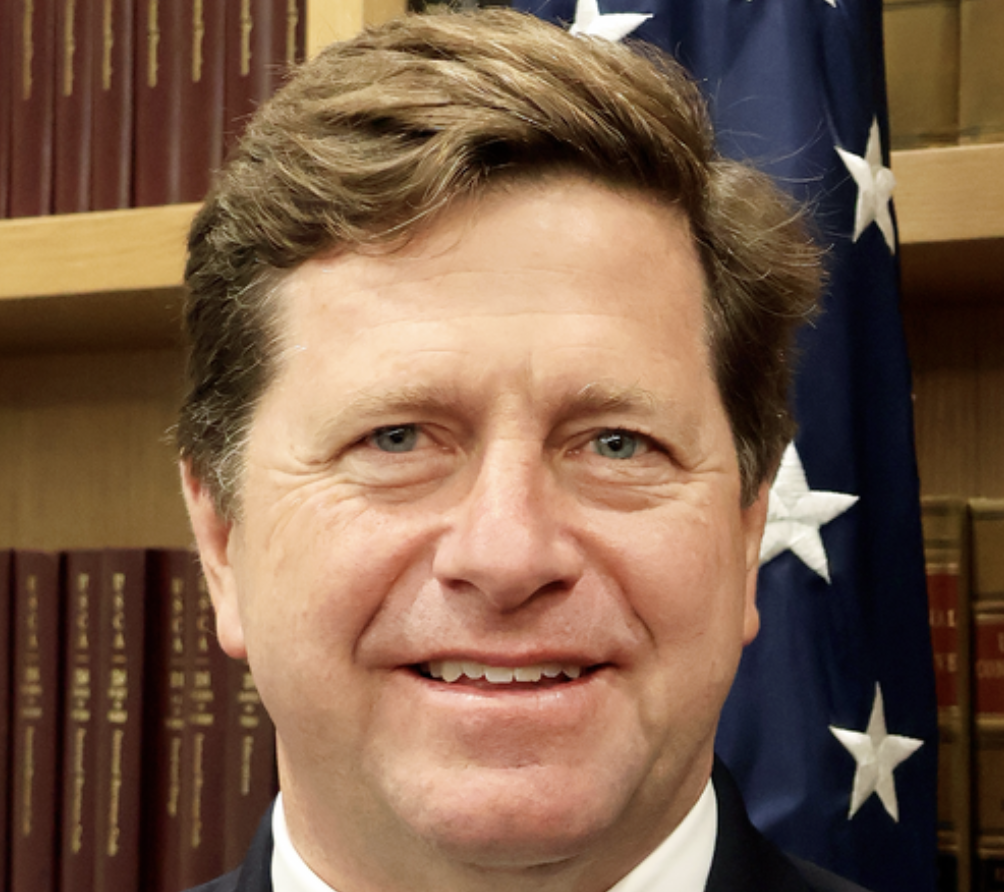
Clayton’s confirmation gives Trump a permanent intelligence chief after weeks of controversy over an acting appointment. The vote also shows how narrowly divided the Senate remains on control of national security posts.
The U.S. Senate confirmed Donald Trump’s new spy chief. The new spy chief is Jay Clayton. The Senate voted 51 to 47 on Tuesday to install Clayton as director of national intelligence in the United States, replacing acting DNI Bill Pulte after Donald Trump’s first choice drew resistance from lawmakers.
The confirmation matters because the DNI is not a symbolic post. The job sits at the center of how U.S. intelligence is coordinated, prioritized and delivered to the president, and Clayton arrives after an unusually turbulent handoff.
A narrow vote, a big portfolio
Clayton’s confirmation was reported by the BBC and follows a White House nomination sent to the Senate in June naming Walter Clayton, of New York, to be director of national intelligence, succeeding Tulsi Gabbard.
The 51-47 vote points to a confirmation that passed, but without broad bipartisan comfort. Senate Republicans were able to move the nomination through, while Senate Democrats remained skeptical enough to keep the final margin tight.
That division is part of the story. Intelligence chiefs are expected to serve the president while also protecting the credibility of intelligence assessments that may be politically inconvenient. Every administration wants loyalty. Congress, at least in theory, wants judgment that does not bend too easily.
Clayton now takes over the intelligence post after serving as U.S. attorney for the Southern District of New York, according to the BBC. He has also been a securities regulator and federal prosecutor, giving him a legal and enforcement résumé rather than the traditional career intelligence background some senators prefer.
Why Clayton was the second track
Clayton’s path opened after Bill Pulte, Trump’s original pick and temporary intelligence chief, ran into backlash. Pulte was better known as a housing official, not as a national security figure, and the BBC reported that lawmakers objected to his lack of national intelligence experience.
Pulte had been serving as acting DNI after Tulsi Gabbard left the job last month. His short tenure quickly became controversial because he also held a powerful housing-related role and had referred several of Trump’s political opponents for possible prosecution, according to the BBC.
That combination sharpened a concern that often surrounds intelligence appointments: whether the person leading the system will keep the work separate from domestic political combat. The DNI sees sensitive reporting, coordinates agencies and helps shape what reaches the president’s desk.
Trump moved to Clayton shortly after the alarm over Pulte’s acting appointment. The White House nomination framed Clayton as the replacement for Gabbard, while also withdrawing his nomination to serve a four-year term as U.S. attorney for the Southern District of New York.
Trump praised him quickly
After the Senate vote, Trump celebrated the result on Truth Social, writing, “Jay is outstanding in every way, and will do a spectacular job as Director!” according to the BBC.
That endorsement is politically important, but it also explains some of the tension around the post. Trump wants a trusted operator in a role that has historically required presidents to hear warnings, threat assessments and conclusions they may not like.
Supporters of Clayton can point to his experience managing major legal and regulatory matters. The BBC noted that he oversaw prominent cases as U.S. attorney, including the drug trafficking case against former Venezuelan president Nicolás Maduro.
Republican arguments in the Congressional Record also emphasized confidence in Clayton’s record. One Senate passage said his record “inspires confidence in the type of DNI he will be,” and argued that Democrats had previously recognized his abilities.
Democrats saw warning signs
Opposition to Clayton did not appear to be only about Clayton himself. It was also about the chain of events that brought him to the post, especially the Pulte episode and the broader question of political pressure inside national security agencies.
Sen. Adam Schiff of California, a Democrat, issued a statement ahead of the final vote saying he would vote against Clayton’s nomination as director of national intelligence. The extracted statement noted that Congress created the DNI position after the 9/11 attacks and described the job’s legal significance.
Even without full Democratic unity details from the available record, the vote count tells the practical story. A 51-47 confirmation means the Senate did not reject Clayton, but it also did not give him a sweeping mandate across party lines.
That matters because intelligence officials often depend on credibility with both the White House and Capitol Hill. Congressional intelligence committees are supposed to oversee sensitive programs, and a DNI who starts with a partisan split may face tougher scrutiny from the minority.
Pulte’s cuts added pressure
The timing of the confirmation overlapped with a separate flashpoint: staffing cuts under Pulte. Shortly before Clayton’s vote passed, Pulte posted on X that officials were carrying out a “5th and near final round of terminations,” describing it as an approximately 30% staff reduction from weeks earlier, according to the BBC.
That detail gives the confirmation a sharper edge. Clayton is not walking into a calm bureaucracy with a clean slate. He is inheriting an office that has just experienced leadership turnover, political scrutiny and major personnel reductions.
The available reporting does not establish exactly how those cuts will affect intelligence operations, which units were hit hardest or whether Clayton will revisit any of Pulte’s decisions. Those are now among the key unanswered questions.
For lawmakers, staffing changes at intelligence offices are rarely just management choices. They can affect analytic capacity, oversight, morale and the government’s ability to track threats. For the White House, they may be presented as efficiency or reform.
What to watch next
Clayton’s first test will be whether he can steady the office after a bruising transition. That means reassuring Senate skeptics, managing an intelligence workforce that has seen cuts and proving that his legal background translates into national security leadership.
Several questions remain open:
- Whether Clayton will keep or reverse staffing changes made during Pulte’s acting tenure.
- How he will handle intelligence assessments that conflict with Trump’s political or foreign policy preferences.
- Whether Senate Democrats will use oversight hearings to press him on independence and politicization.
- How quickly the intelligence community adjusts after the departure of Tulsi Gabbard and the brief Pulte period.
The confirmation gives Trump what he wanted: a Senate-approved director of national intelligence after weeks of controversy. It gives Clayton authority, but not automatic trust.
The real measure will come after the vote, when the new spy chief has to show whether he can be both responsive to the president and credible to a divided Congress watching closely.
Leave a Reply