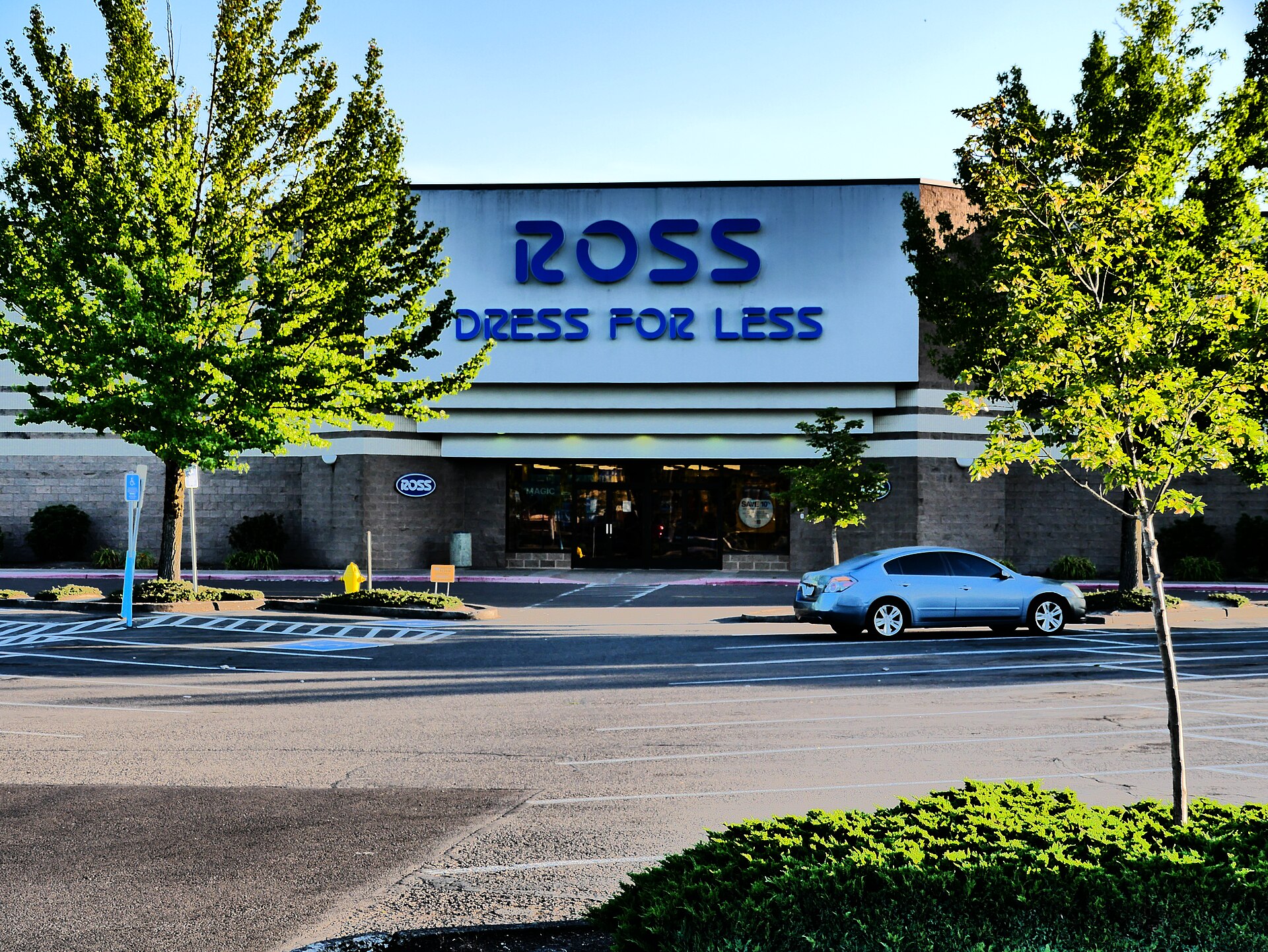
Large tariff refunds have reached companies including Apple, Amazon, Nike, Ross Stores and Lululemon. The important question is not only how much they received, but whether the windfall reaches shoppers, supports expansion or boosts shareholder returns.
Retailers are receiving tariff refunds, and the sums are large enough to reshape quarterly results. Apple received an estimated $2.2 billion last quarter, Amazon $600 million, Nike $300 million, Ross Stores about $253 million and Lululemon about $230 million. The question is how retailers are using the refund money: Ross Stores, which reported results on August 20, 2026, has linked its refund gain to stronger earnings while also expanding stores and repurchasing shares.
The payments matter because tariff costs are often discussed as a pressure on prices, margins and household budgets. Refunds reverse part of that pressure for importers, but they do not automatically translate into lower prices for shoppers. The clearest public disclosure so far suggests the money can become fuel for profits, investment plans and shareholder payouts.
Refunds are showing up in earnings
CNN reported that major companies received billions of dollars in tariff refunds, including estimated payments of $2.2 billion to Apple, $600 million to Amazon and $300 million to Nike last quarter. It also cited an estimated $230 million for Lululemon.
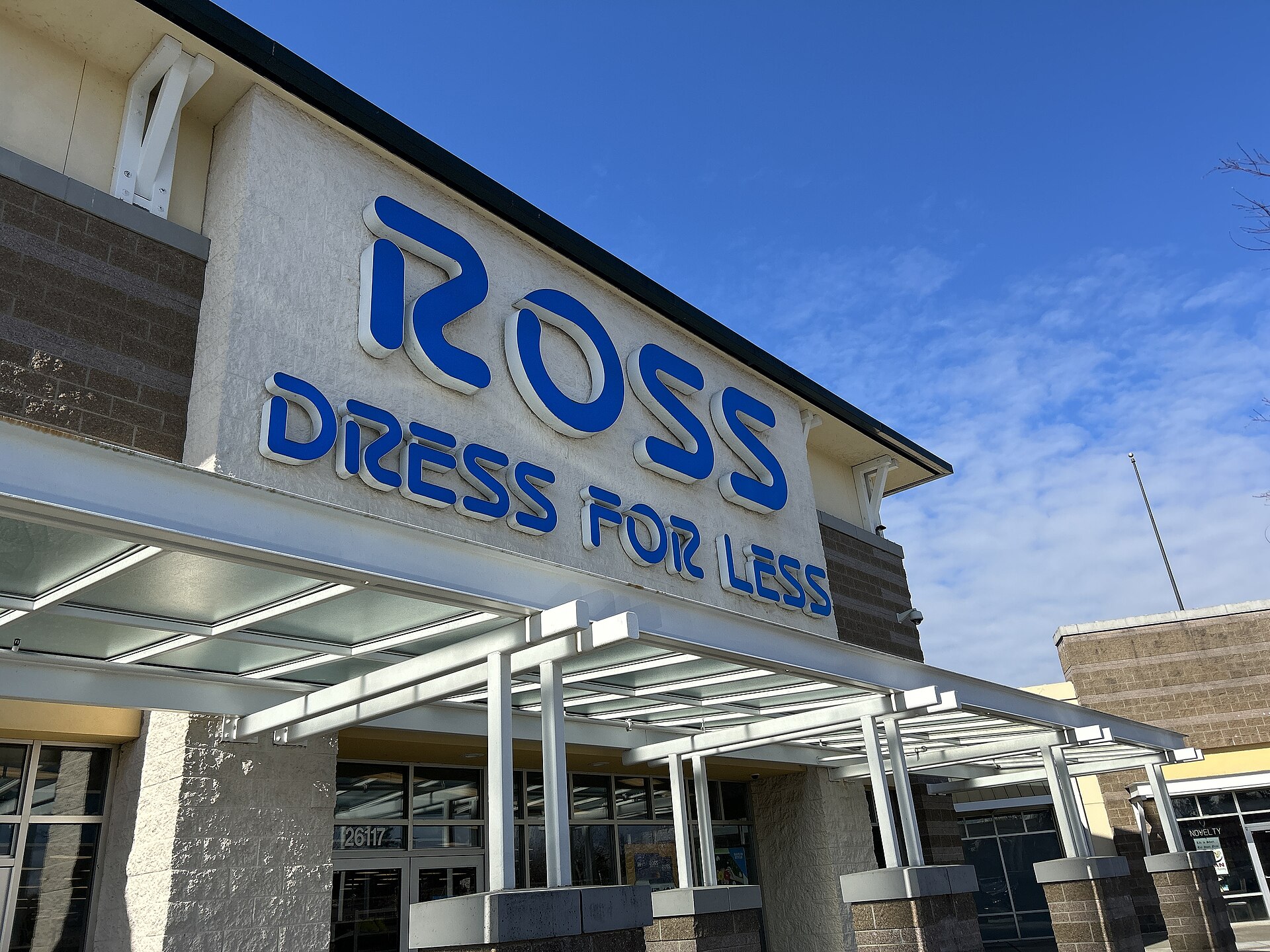
Those figures are striking because tariff expenses normally appear as a cost of bringing goods into the United States. A refund can reverse a charge a company had already paid, creating a sizable benefit in a period’s financial results.
That accounting effect should not be confused with ordinary sales growth. A company can have stronger demand, better inventory discipline or lower operating costs at the same time as it receives a refund. Readers looking at a headline earnings number need to separate the business’s underlying performance from a one-time or unusual tariff-related benefit.
Ross Stores made that distinction unusually visible in its second-quarter release. Its filing gives a concrete case study of how a retailer can report a tariff-refund windfall alongside operational results that management says were helped by customer traffic and execution.
Ross gives the clearest roadmap
In its August 20, 2026 earnings release filed with the Securities and Exchange Commission, Ross said second-quarter operating profit was $1.1 billion, including approximately $253 million from IEEPA tariff refunds. The company said the refunds added about $0.60 to earnings per share.
The effect on margins was substantial. Ross reported a 610-basis-point increase in second-quarter operating margin, and said 405 basis points of that increase came from tariff refunds. Excluding the refund benefit, operating margin still increased by 205 basis points, above the company’s prior plan for an increase of 130 to 150 basis points.
That breakdown is valuable because it prevents an either-or reading of the quarter. Ross did not present the refunds as the sole reason for its performance: comparable-store sales rose 10%, and the company said customer traffic drove much of that improvement. At the same time, the refund was large enough to materially change the reported profit picture.
Ross also said the $253 million was included in both its second-quarter and first-half 2026 results. It raised its fiscal-year earnings-per-share outlook, while noting that the updated annual range still included the roughly $0.60 tariff-refund benefit recognized in the second quarter.
Expansion was already part of the plan
The most visible use of the improved financial flexibility at Ross is growth. During the quarter, the off-price retailer opened 47 stores: 35 Ross Dress for Less locations and 12 dd’s DISCOUNTS locations.
It then increased its 2026 store-opening plan to 115 locations, consisting of about 90 Ross Dress for Less stores and 25 dd’s DISCOUNTS stores. The company did not say that a specific dollar amount of the tariff refund was earmarked for individual new stores.
That distinction matters. Corporate cash does not arrive with a label that follows it from a refund into a lease, a new location or a marketing campaign. Still, a large profit boost can make an expansion strategy easier to finance and can strengthen management’s confidence in raising its outlook.
Ross’s disclosure also points to a broader retail reality: companies may use a windfall to reinforce plans already underway rather than unveil a brand-new initiative. For shoppers, that can mean more locations and potentially more local competition, but it is not the same thing as a direct price reduction.
Shareholders are part of the equation
Ross also reported returning cash to shareholders. It repurchased 1.4 million shares during the second quarter for $319 million under a two-year, $2.55 billion authorization approved by its board in March 2026.
The company said it remained on track to repurchase a total of $1.275 billion in common stock during fiscal 2026. The release does not state that the tariff refunds specifically paid for those repurchases, and it would be inaccurate to treat the two figures as a direct match.
But the timing illustrates why refund money attracts scrutiny. A tariff refund improves the company’s cash and earnings position; once that happens, management and boards can choose among several competing uses, including store investments, debt reduction, inventory, employee compensation, dividends or buybacks.
Supporters of buybacks argue that they return excess capital to the owners of a company and can be appropriate when a business generates more cash than it needs for operations and investment. Critics argue that windfalls linked to public policy should produce clearer benefits for workers, customers or productive investment. The disclosed numbers alone cannot settle that debate, but they show why the allocation question matters.
Lower prices remain an open question
There is no indication in the Ross release that the company used its tariff-refund benefit to cut prices. Ross emphasized merchandise offerings, marketing, customer traffic and in-store experience improvements when describing its quarter, while its filing separately quantified the refund’s effect on profits and margins.
That does not prove a retailer will never pass tariff-related savings to customers. Retail pricing is shaped by competition, inventory costs, demand, promotions, currency movements, freight costs and a company’s margin goals. A refund may help a retailer avoid a price increase that would otherwise have occurred, a result that is much harder to see than a sale-price announcement.
The disclosures also do not establish how Apple, Amazon, Nike or Lululemon allocated their estimated refunds. The reported payment amounts indicate the scale of the benefit, not a company-by-company promise that the money will fund lower prices, new hiring or shareholder returns.
For now, Ross provides the most detailed public example in the available reporting: a tariff-refund gain lifted reported earnings, arrived alongside rising sales, and coincided with an expanded store-opening plan and ongoing share repurchases.
The real test is disclosure
Tariff refunds can make a company’s quarterly performance look better in a way that is both real and potentially temporary. The useful question for investors, workers and customers is not simply whether a company received money, but whether it clearly explains the impact on margins, earnings guidance, spending plans and prices.
Ross did that more directly than most by quantifying the $253 million benefit and showing its effect on operating margin and earnings per share. Its results also show that a refund can sit beside genuine operating momentum, rather than replacing it.
What remains unclear is whether other recipients will provide the same level of detail and whether consumers will see measurable benefits. Until companies tie refunds to specific decisions, claims that the money is helping shoppers—or that it is only helping shareholders—will remain broader interpretations rather than fully documented conclusions.
Leave a Reply