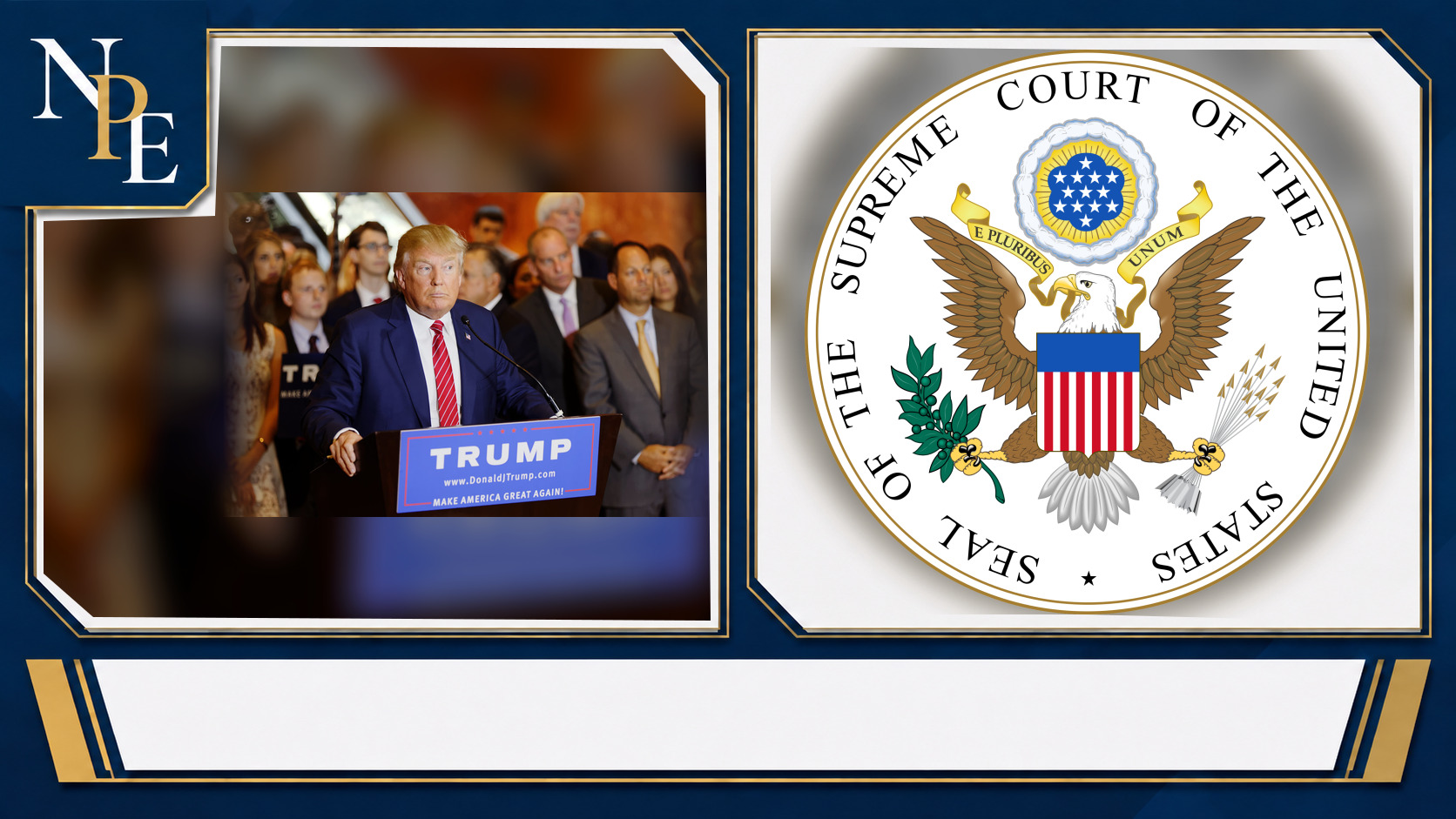
Construction on Trump’s proposed White House ballroom can continue for now after Chief Justice John Roberts issued a temporary stay. The underlying dispute over presidential authority, preservation and the project’s purpose is still before the court.
Donald Trump is boasting about his proposed White House ballroom after the Supreme Court allowed construction to continue for now on Friday. Chief Justice John Roberts issued a temporary stay, not a final ruling, meaning work can proceed while the justices consider the National Trust for Historic Preservation’s legal challenge.
Trump called the project vital to national security and said it was ahead of schedule and under budget. But the temporary order leaves the central question untouched: whether the administration had authority to demolish the White House East Wing and build the ballroom while the case is still being litigated.
A temporary win, not a verdict
The Supreme Court’s intervention blocks lower-court decisions that would have stopped construction of the aboveground ballroom while the legal fight continued. That has immediate practical consequences: workers do not have to halt the visible portion of the project on the court-ordered deadline.
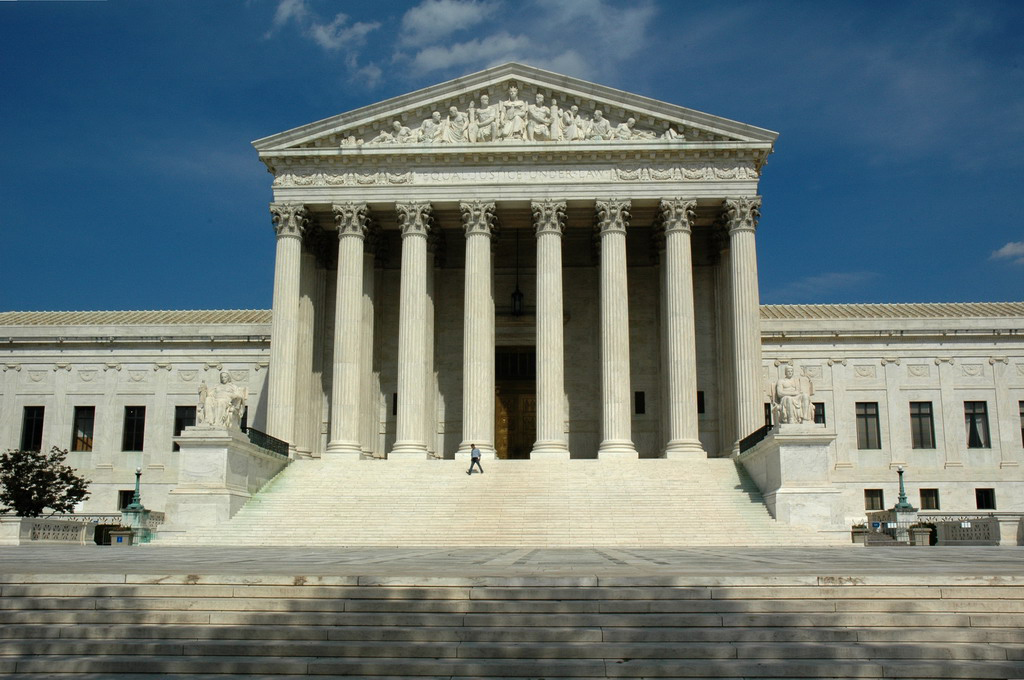
Still, the stay is provisional. It gives the full court time to decide what should happen next with the government’s request to keep construction moving during the case.
That distinction matters. A stay does not settle the merits of the lawsuit, endorse the project’s legality or determine whether the National Trust ultimately wins. It addresses what happens while the legal process plays out.
A spokesperson for the National Trust stressed that the action was not a final decision on the government’s stay application. The group is challenging both the authority claimed for the construction and the process used to pursue it.
Trump casts project as security work
Trump celebrated the order in a Truth Social post, thanking the Supreme Court and describing the planned facility as a “Military/Ballroom Complex.” He said the work on White House grounds was vital for national security and called it likely to be unmatched.
The administration’s court filings describe more than a ceremonial event space. They say the plan includes substantial underground construction, including secure locations and medical facilities, which officials argue are needed for security purposes.
That framing is central to the administration’s case in the broader public debate. Supporters can point to the security-related infrastructure as a reason the project should not be viewed as simply an architectural or entertainment upgrade.
Critics, however, see a major change to one of the country’s most historically significant public buildings. The legal challenge focuses on whether security arguments can justify the demolition and new construction at issue.
The East Wing is at center
The National Trust for Historic Preservation argues that Trump lacked authority to demolish the East Wing of the White House and replace it with a ballroom. Its case is not merely about whether a large room is desirable; it is about the legal limits on changes to a historic presidential residence.
A federal judge had sided with the preservation group on the immediate construction question. The judge allowed underground work to continue but said the ballroom itself could not be built while the litigation was ongoing.
That narrower ruling drew a line between parts of the project. It recognized the administration’s assertions about underground facilities while pausing the aboveground structure that is most visible and most directly connected to the preservation dispute.
The U.S. Court of Appeals for the District of Columbia Circuit upheld that result on Aug. 7. Without Supreme Court intervention, construction of the ballroom was set to stop Friday.
Standing could shape the case
Before any court reaches the full question of presidential authority, the National Trust may have to clear another obstacle: legal standing. Courts require plaintiffs to show a concrete injury that gives them the right to sue.
One issue identified in the dispute is whether the trust can establish standing through a member who objects to the project on aesthetic grounds. That may sound technical, but it could determine whether a court ever reaches the preservation claims themselves.
The administration is likely to argue that disagreement over the appearance or historical character of a government building is not enough for a lawsuit. The trust, by contrast, is expected to argue that its preservation mission and its members’ interests are directly affected by the alteration of the White House.
Standing disputes often decide high-profile cases without resolving the larger political or cultural argument. If the trust is found not to have standing, the project could survive without a definitive judicial answer to every claim about construction authority.
A costly project moving quickly
According to administration filings, the project was 65% complete as of Aug. 14. The filing put the cost at $400 million and said the work was privately funded, with a 250-person crew operating 20 hours a day, seven days a week.
Those figures help explain why a temporary pause became such a consequential issue. A halt after major demolition and construction activity could complicate scheduling, contracts and the government’s claimed security planning, while continued work could make restoration or reversal harder if the challengers later prevail.
There is also an apparent gap between public descriptions of the price. NPR reported that Trump had displayed a rendering of a proposed $250 million ballroom in 2025, while the later court filing cited a $400 million project. The available reporting does not explain whether the higher figure reflects expanded scope, security components, revised estimates or a different way of counting costs.
Private funding does not erase the public-interest questions. The work concerns the White House, a federally owned historic site and an enduring symbol of the presidency, so questions about oversight, design and authority remain politically charged.
What the court may decide next
For now, the administration can keep building the ballroom above ground. The Supreme Court could later grant or deny a longer-lasting stay, or take other action as the case develops.
The justices may also weigh the preservation group’s standing before addressing the legality of demolishing the East Wing and constructing the new facility. Neither the temporary stay nor Trump’s celebration resolves those issues.
The legal uncertainty creates a striking reality: the project may advance substantially while the courts are still deciding whether the challenge can proceed and what limits apply to the White House renovation. That is why Friday’s order is a meaningful victory for Trump, but not the final word he portrayed it as.
The immediate outcome is clear. Construction continues. The enduring question is whether a temporary green light will become a lasting legal one.
Leave a Reply