Dawson took the disappointment in stride, but her account also raises fresh questions about whether Claire Temple could still return to the Marvel screen. The deleted cameo is a reminder that even established franchise connections are never guaranteed to make the final cut.
Rosario Dawson reacted to having her scene cut from Spider-Man: Brand New Day, revealing that she filmed a Claire Temple cameo that was ultimately removed from the final film. Dawson’s response was disappointed but upbeat: she still hopes to play Claire Temple again, a prospect that matters to fans of Marvel’s earlier streaming-era shows and their uncertain place in the larger screen universe.
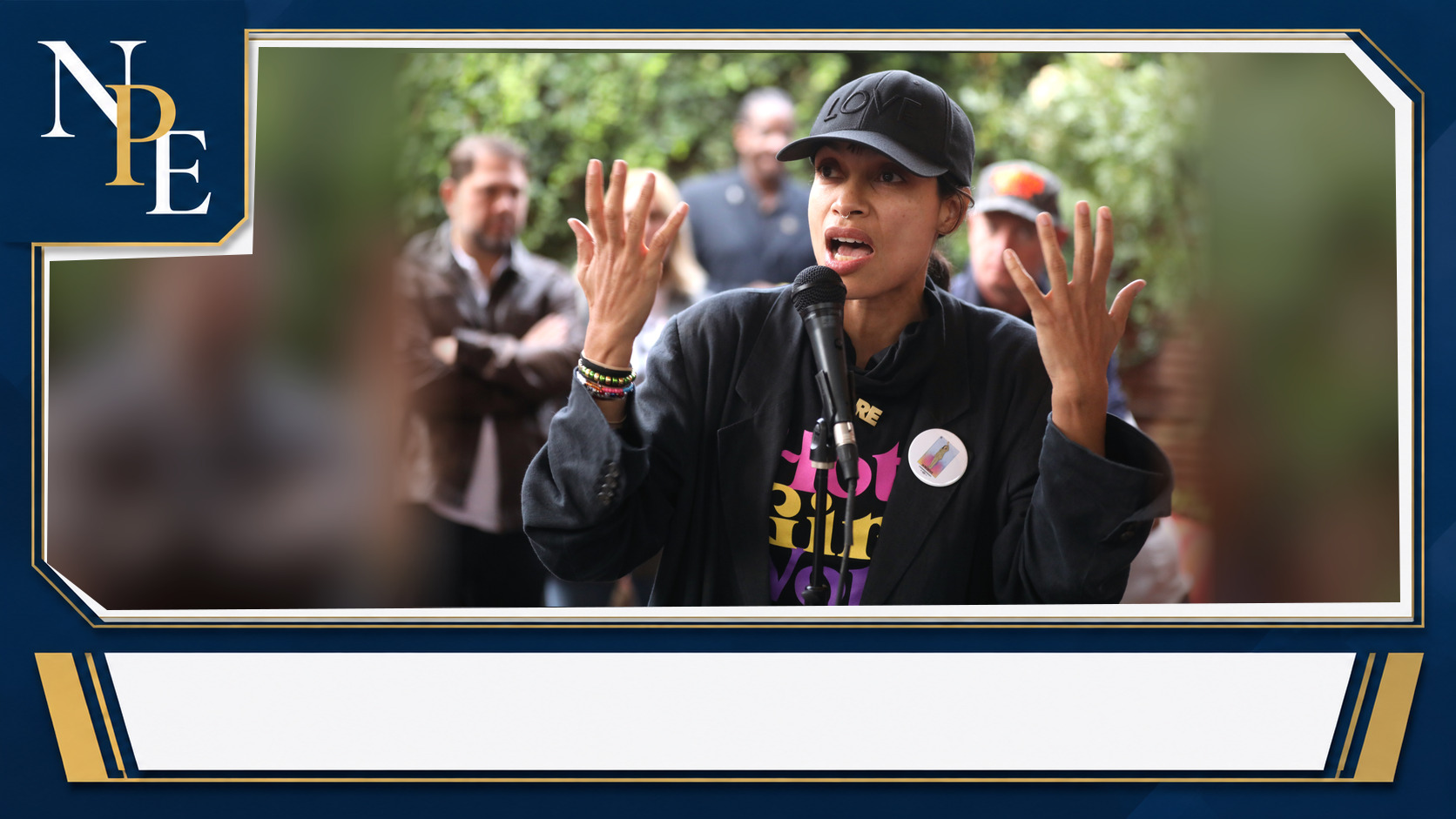
Speaking at a 2026 GalaxyCon panel in Raleigh, North Carolina, Dawson said she had shot a scene for the new Spider-Man movie before learning it would not be used. The story offers a rare, candid glimpse at a routine but often invisible part of franchise filmmaking: a character can be invited back, film material, and still vanish from the finished release.
Dawson revealed the cut at GalaxyCon
Dawson’s disclosure came when she was asked which superhero she would most like to work with. Rather than simply naming Spider-Man, she said she had already gotten the opportunity in a limited way.

“I even shot the scene in the new Spider-Man movie, but I got cut out,” Dawson said, according to reporting from the Times of India. She did not describe the scene itself, explain how large her role was meant to be, or say why it was removed.
That missing context matters. Deleted scenes can disappear for many reasons, from running time and pacing to changes in a film’s story logic, effects schedule, tone or late-stage editorial choices. A removed cameo does not necessarily signal a creative split, a rejected character, or a closed door for future appearances.
Her mother found a different loss
Dawson framed the experience with humor while recounting her mother’s reaction. She said her mother was especially disappointed that behind-the-scenes photos from the production could no longer be shared.
The actor had apparently already imagined posting material connected to the project, including photos involving her grandson and his enthusiasm for Spider-Man. That personal detail made the lost cameo feel less like a standard credits-and-continuity tidbit and more like an opportunity Dawson had been eager to celebrate with family.
She also noted a longtime personal attachment to the web-slinger. Dawson said Spider-Man was the first character her comic-book-artist uncle learned to draw, and she pointed to a more recent comic connection involving PS19, the Lower East Side elementary school she attended.
Those details help explain why a short appearance in a Spider-Man film carried significance beyond another franchise job. For an actor who has worked across film, television and animation, the Marvel role had a family and hometown dimension too.
Claire Temple linked Marvel’s early shows
Dawson first played nurse Claire Temple in the first season of Daredevil in 2015. The character became one of the key connective figures in Marvel’s Netflix-era series, appearing across Jessica Jones, Luke Cage, Iron Fist and The Defenders.
Claire was not defined by superpowers or a costumed identity. Her importance came from being a practical, grounded presence who encountered several heroes at their most vulnerable. In a group of street-level stories set around New York, she helped make the separate shows feel like they occupied the same city.
That history is why Dawson’s planned cameo has drawn attention. Bringing Claire into a Spider-Man movie would have created a direct bridge between an earlier corner of Marvel television and one of the company’s biggest theatrical brands.
It also would have been a different kind of crossover from a splashy multiverse reveal. Claire’s value to fans is rooted in continuity and character relationships, not simply surprise-factor recognition.
A cameo is not a promise
Fans often treat a filmed appearance as evidence that a character’s return is locked in. Dawson’s account is a useful corrective. Until a finished project is released, a role can remain fluid—even when an actor has been on set and scenes have been completed.
There are competing ways to read the news. Some viewers may see the removed scene as a missed chance to recognize a character who helped hold together Marvel’s early streaming universe. Others may argue that a Spider-Man story should avoid accumulating connective material that does not serve Peter Parker’s central plot.
Both views reflect a real tension in modern franchise filmmaking. Audiences enjoy payoffs and familiar faces, but a successful cameo still has to earn its place within the immediate story. A scene that delights dedicated fans can slow down a film for viewers with no knowledge of the character behind it.
Because neither Dawson nor the filmmakers have publicly detailed the planned sequence, it remains unclear whether Claire’s role was a brief Easter egg, a plot-relevant encounter, or something designed to set up a later story.
Dawson still sees a route back
Dawson did not present the cut as a farewell to Claire Temple. Instead, she said the character is still somewhere in the same universe and expressed hope that she will get to play Claire again.
That distinction is the most notable part of her reaction. She appears to view the decision as one removed scene, not a verdict on the character’s future. For a performer attached to a role that crossed several series, that is a measured reading of how interconnected properties are made.
Spider-Man: Brand New Day stars Tom Holland as Peter Parker and also features Zendaya, Jacob Batalon, Sadie Sink, Jon Bernthal, Tramell Tillman and Mark Ruffalo, according to the reported cast information. Its crowded ensemble makes the calculus behind any additional appearance especially difficult to judge from the outside.
For now, Dawson’s Claire Temple footage remains unseen, and there is no indication that it will be released separately. What fans do have is Dawson’s clear signal that she remains open to returning—if Marvel finds a story where the character belongs.
The larger lesson for franchise fans
Deleted scenes are easy to interpret as a snub, especially when they involve a recognizable actor and a much-loved character. Dawson’s response suggests a less dramatic reality: film editing can be frustrating, yet it does not erase the relationship an actor has built with a role or the audience attached to it.
Her reaction also lands at a moment when Marvel nostalgia is often treated as a simple switch to flip. The return of any past character carries expectations about continuity, tone and narrative purpose. A successful revival needs more than recognition; it needs room to matter.
Claire Temple’s omitted cameo may never be seen, but it has renewed attention on what made the character useful in the first place: she connected people, stories and neighborhoods without needing to become the center of them. That remains a strong reason for Dawson—and viewers—to keep the possibility of a return alive.
Leave a Reply