
Maher’s dinner with Trump was already controversial because of the comedian’s sharp criticism of the president. A new report framing their exchange around Melania Trump puts fresh attention on how much can be concluded from a secondhand anecdote.
Bill Maher had dinner with Donald Trump, and a report says Donald Trump launched a blistering rant at Maher about Melania Trump. The account has revived attention on the comedian’s already contentious decision to meet Trump, but the available reporting does not establish the exact words, timing or trigger of the alleged Melania-related exchange.
The dinner itself is not in dispute: Maher has publicly discussed meeting Trump at the White House early in Trump’s second term. What makes the latest claim notable is how a private dinner between a president and one of his most prominent television critics can quickly become a public story shaped by a headline, selective recollections and political expectations.
The claim centers on Melania
The Mirror US framed its report around Maher’s account of Trump becoming angry over Melania Trump. Its headline identifies Maher as the dinner guest and describes Trump’s response as a “blistering rant.”
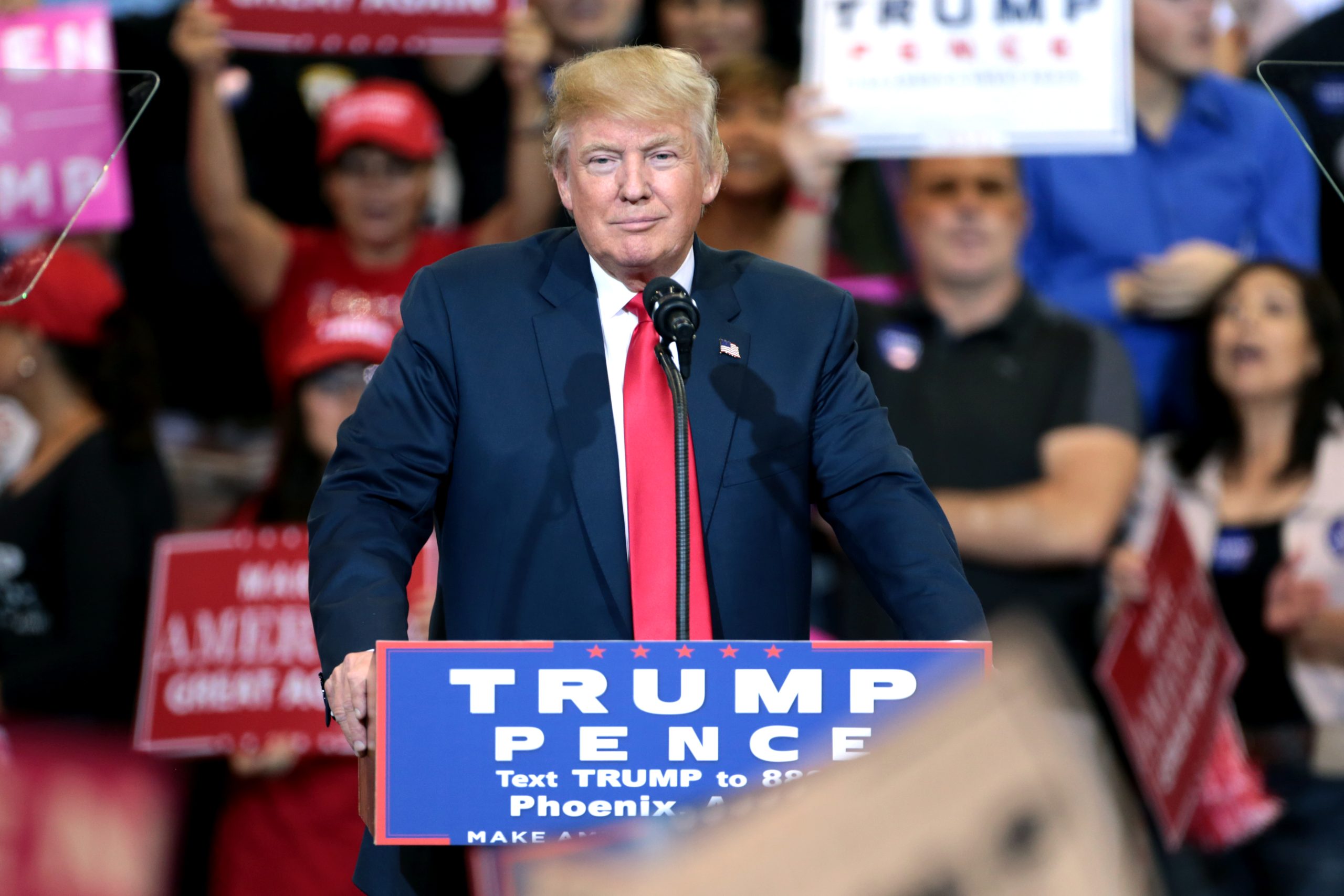
That is a vivid characterization, but readers should distinguish between the existence of the dinner and the precise details of this particular exchange. The material available with the report does not include a full transcript, a direct quotation from Maher describing the incident, or a response from Trump or Melania Trump.
Those gaps matter. A political figure’s private remarks can carry a different meaning depending on whether they were a brief complaint, an extended argument, a joke, or a response to a specific comment. Without fuller context, the strongest supportable description is that the report attributes a Melania-related rant to Trump during or in connection with Maher’s dinner account.
A dinner that angered Maher’s critics
Maher’s meeting with Trump was controversial long before the latest framing around Melania. Maher has spent decades criticizing Trump on his HBO show, Real Time with Bill Maher, and his decision to accept a White House dinner prompted pushback from viewers and commentators who saw it as an attempt to normalize Trump.
In a July 2026 interview with NPR’s Steve Inskeep, Maher defended the value of speaking with people across political lines. NPR reported that Maher had described Trump after the dinner as someone who “plays a crazy person on TV,” while also saying Trump was more self-aware in private than he often appears in public.
Maher later added an important qualification in that NPR interview. Asked why Trump would behave as he does in public if he was not “crazy,” Maher said Trump had a tendency to blurt out whatever was on his mind. That broader description helps explain why an anecdote about an intense reaction during dinner fits Maher’s public portrayal of Trump, even though it does not independently verify the specific Melania claim.
Why private anecdotes travel fast
Stories about private meals can feel revealing because they suggest access to an unguarded version of a public figure. They also invite overreading. A comedian recounting a dinner is not delivering a sworn transcript, and a punchy headline does not automatically supply the context needed to assess tone, sequence or intent.
The story has extra pull because Melania Trump remains both highly visible and comparatively private. Public discussion of the first lady often focuses on her appearances, her independent public profile and the way Donald Trump speaks about his family. A claim that he reacted strongly to a remark involving her is therefore tailor-made for attention.
There are competing ways to view Maher’s willingness to share such stories. Supporters can argue that conversations across political lines are useful precisely because they expose behavior that formal events conceal. Critics can argue that a celebrity-hosted account risks turning political access into entertainment while leaving the public with little way to verify the key details.
What the account does establish
Several parts of the broader story have been publicly documented. Maher met Trump at the White House early in the president’s second term. Maher then discussed the experience on air and later spoke about it with NPR.
The dinner did not turn Maher into a Trump ally. His comments since then have mixed observations about Trump’s private demeanor with sharp criticism of Trump’s public conduct. That tension is central to why the encounter continues to attract attention: Maher argues that conversation does not equal endorsement, while many of his critics see access itself as politically meaningful.
The alleged discussion of Melania Trump should be treated more cautiously. The report’s headline makes a specific assertion, but the available source material does not provide enough detail to independently reconstruct what Maher said, what Trump said in reply, or whether the exchange occurred exactly as characterized.
The unanswered questions behind the headline
The biggest unresolved question is simple: what was actually said about Melania Trump, and how did Maher present the exchange? A full video clip, transcript or detailed first-person account would make it easier to judge whether “blistering rant” is a fair description or a tabloid-style compression of a more complicated conversation.
It is also unclear whether Trump, Melania Trump or their representatives have addressed the account. Their perspective would not settle every question about a private meeting, but it would add necessary context to a story currently driven by one reported retelling.
For now, the lasting significance is less about a confirmed blow-by-blow dispute than about the enduring fallout from Maher’s decision to dine with Trump. The meeting gave Maher a rare claim to firsthand insight into the president. It also ensured that every subsequent anecdote from that dinner would be scrutinized for what it says about Trump, Melania Trump and the uneasy overlap between political access and televised commentary.
Leave a Reply