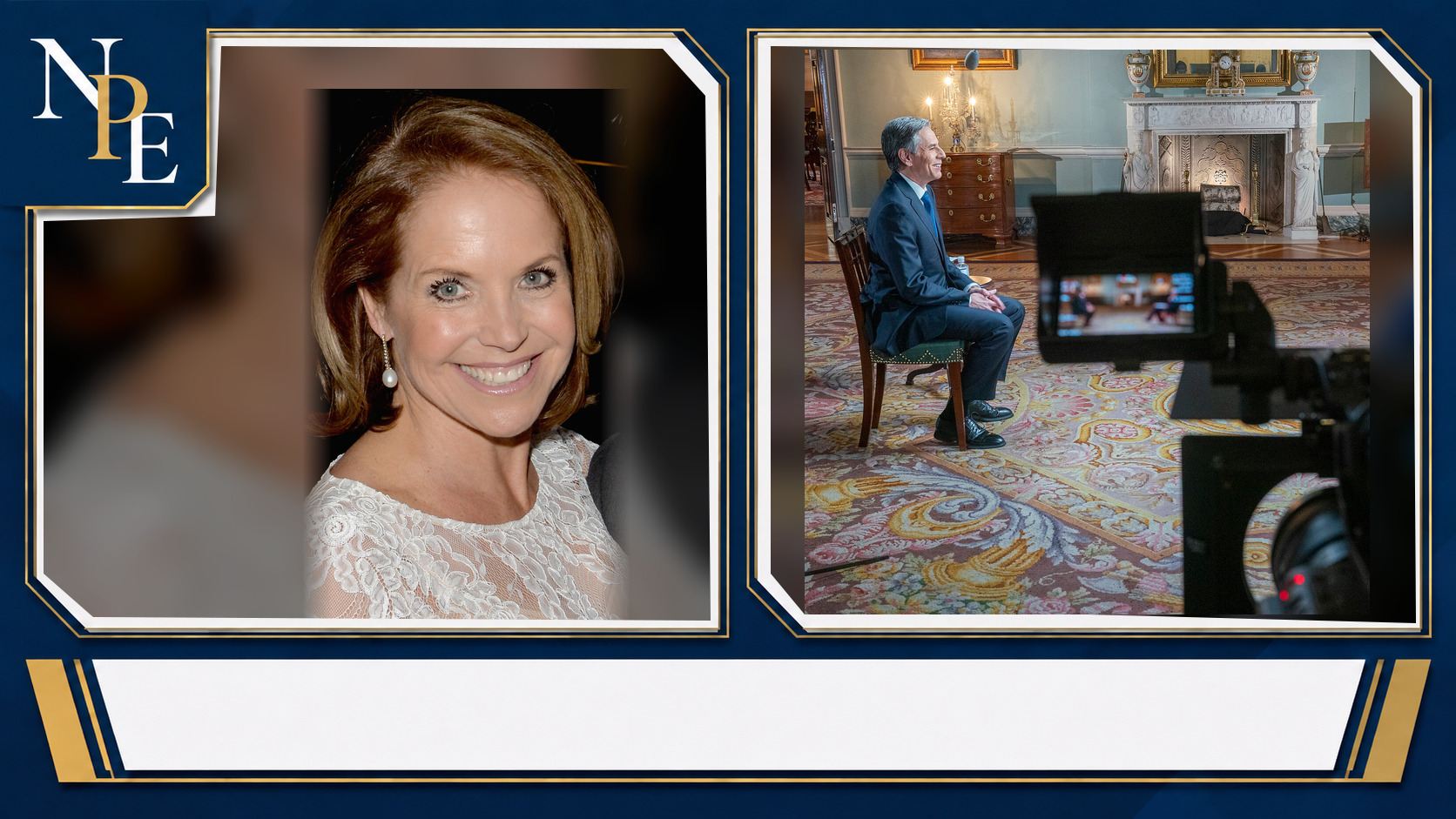
Couric’s “total embarrassment” remark has drawn attention not only because of the changes unfolding at 60 Minutes, but because of the former CBS anchor’s own account of working there. Her criticism lands as the long-running newsmagazine prepares for a new season under pressure to rebuild.
Katie Couric reacted strongly to changes at 60 Minutes, calling the situation a “total embarrassment” as CBS faces a turbulent rebuild of its flagship newsmagazine. Couric’s sharp criticism matters because the former CBS anchor has also described being sidelined while she worked at 60 Minutes, putting the latest shake-up in the context of long-running concerns about the show’s internal culture.
The immediate picture is still incomplete. But reports of departing or fired talent and producers, alongside Couric’s newly public recollections, have turned a staffing story into a broader debate about who gets heard — and who gets pushed aside — at one of television journalism’s most recognizable institutions.
Why Couric’s reaction carries weight
Couric is not an outside observer offering a casual take on a television brand. She joined CBS News in 2006 after 15 years as a co-host of NBC’s Today, and became the first woman to serve as solo anchor of a national weekday evening newscast.
During her five years at CBS, Couric also worked as a correspondent for 60 Minutes. Her experience at the program is central to why her reaction to its current changes has resonated: she says she encountered a work environment where her editorial opportunities could be redirected to male colleagues.
On the Call Her Daddy podcast, Couric described those experiences as “really tough situations.” Her account was reported by the Los Angeles Times, which said Couric characterized the pattern as systemic sexism and marginalization during her time at the storied newsmagazine.
The assignments Couric says she lost
Couric recalled pitching a profile of Lady Gaga when the singer was still rising. According to Couric, then-executive producer Jeff Fager initially rejected the idea, only for the program to pursue a Gaga story about a year later when the performer had become more prominent.
Couric said she had proposed an angle involving Gaga’s Catholic school background. When she arrived for the interview, she said, Anderson Cooper’s name had replaced hers on the assignment. Cooper’s interview aired in February 2011.
She also described a dispute involving an interview with then-Secretary of State Hillary Clinton. Couric said the State Department contacted her after Scott Pelley’s team began making inquiries about Clinton, despite Couric believing the story had been assigned to her.
Couric said she confronted Fager, who told her the team had decided to “change things up.” She said the reassignment happened without a direct explanation to her, and described the experience as being gaslit.
Claims, denials and missing answers
Couric’s comments are her account of her working experience, not an independently adjudicated finding about every decision made at 60 Minutes. That distinction matters as her recollections are revisited amid news of the program’s latest changes.
Fager led 60 Minutes from 2004 to 2018 and also served as CBS News chairman. He was later fired after allegedly sending what was described as a harsh message to a CBS reporter, while facing accusations that he ignored inappropriate behavior at 60 Minutes.
Fager previously denied the claims against him. The Los Angeles Times reported that CBS could not be reached for comment on Couric’s recent remarks.
Couric is also not the only former correspondent to raise concerns about sexism at CBS. Meredith Vieira, who worked at 60 Minutes in the late 1980s and early 1990s, said in 2018 that she had experienced sexism at the network.
A show facing a difficult reset
The personnel changes at 60 Minutes have intensified the attention on Couric’s comments. According to the Los Angeles Times, several correspondents and top producers were fired in recent months under CBS News editor-in-chief Bari Weiss.
Scott Pelley was among the correspondents named in that report, while Anderson Cooper reportedly resigned from his role at the program. Those changes leave CBS with the practical challenge of replenishing a high-profile staff ahead of the next season.
For viewers, the question is larger than a familiar lineup of correspondents. 60 Minutes has long depended on the authority of its reporting, the distinct voices of its journalists and the impression that its editorial decisions are made on the strength of the work.
Rapid changes can give a legacy show an opportunity to refresh itself. They can also raise concerns about continuity, leadership and whether talented journalists have meaningful room to pursue the stories they believe matter.
Why the moment is uncomfortable
Couric’s “total embarrassment” assessment reflects frustration, but it also underscores an uncomfortable collision of past and present. Her account concerns assignments from years ago; the current CBS overhaul is a separate development with its own facts, participants and unresolved questions.
Still, the two stories naturally meet around the issue of newsroom power. Who decides which reporter gets a major interview? How transparent are those decisions? And when a newsroom is remade, what standards guide the process?
Supporters of a reset may argue that a news operation sometimes needs major personnel changes to move forward. Critics may see the departures as a warning sign, particularly when they arrive alongside former employees’ accounts of exclusion and unequal treatment.
Neither view alone explains every development at CBS. What is clear is that Couric’s history with 60 Minutes gives her criticism a dimension that goes beyond nostalgia for an old TV era.
What remains to be seen
CBS has not publicly laid out, in the reporting reviewed here, a complete explanation for each recent departure or the final shape of the next 60 Minutes season. It is also unclear how the program’s new leadership will address concerns raised by alumni while building its new team.
Couric’s comments do not settle those questions. They do ensure that the discussion around 60 Minutes is not limited to who is leaving and who may replace them.
As CBS rebuilds one of its most important journalistic franchises, the test will be whether the next chapter restores confidence in the show’s reporting and in the culture behind it. Couric’s reaction makes clear that, for some former insiders, that confidence has already been badly strained.
Leave a Reply