The reported return to the remote Mississippi barrier island has renewed attention on the final known setting in Nolan Wells’ case. Yet the available account does not establish what happened during the visit or answer how Wells became separated from his group.
Two friends of Nolan Wells returned to Horn Island, the Mississippi barrier island where Wells went missing during a July 4 boat trip, according to their attorneys. Wells, 18, was found dead on July 6, and the circumstances surrounding his disappearance remain unresolved.
The reported visit puts attention back on the last confirmed location in Wells’ timeline. It does not establish what the friends did there, whether investigators joined them, or whether the return produced evidence as autopsy and toxicology questions remain pending.
A return, not an answer
The attorneys’ account says two of Wells’ friends went back to Horn Island after his disappearance. A related CNN report published Aug. 7 had said three friends planned to return.
Those details leave important limits on what can be concluded. Available reporting does not say what occurred during the visit, whether the group was accompanied by investigators or whether anything discovered there was provided to authorities.
Returning to a place tied to a traumatic event may carry personal meaning for those involved. But it should not be treated as confirmation of any account of Wells’ final hours, or as evidence supporting a particular theory about his death.
The island shaped the investigation
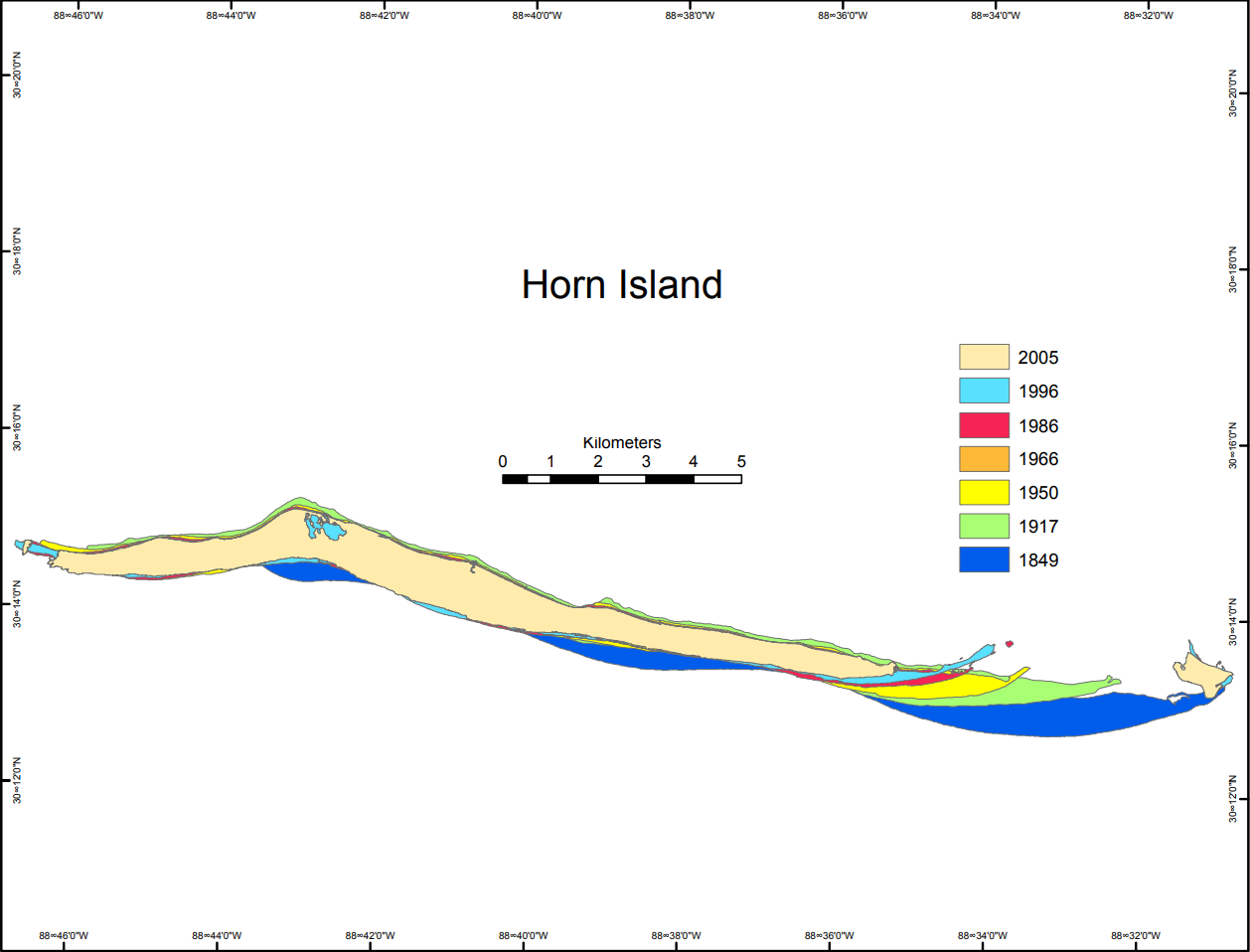
Horn Island lies off Mississippi’s Gulf Coast and is a familiar destination for boaters, particularly on holiday weekends. Its setting also makes it a difficult place to reconstruct events after people have left.
CNN previously reported that the island has no shelters, facilities or communications. Limited connectivity, changing water conditions and distance from shore can make cellphone records, witness timelines and recollections incomplete or hard to reconcile.
That geography is central to the case. The visit by Wells’ friends has renewed focus on the island, but the location itself cannot fill the gaps in the timeline investigators are still working to understand.
What is known about July 4
Wells, a student and wide receiver at Southwest Mississippi Community College, traveled to Horn Island with friends on the Fourth of July. According to CNN’s earlier reporting, his friends returned home, but Wells did not.
A National Park Service agent found Wells’ body facedown in the water off the island’s shoreline two days later, on July 6, CNN reported. The key issue is not simply that he was left behind, but how and when he became separated from the people he traveled with.
Tracestin Shepherd, who was on the trip, told ABC’s Good Morning America that he left Horn Island by boat late that afternoon and that Wells had stayed behind with a girl he met that day.
Jayvon Williams, another friend, told CNN that Wells staying behind did not sound like him. Williams said Wells was generally the kind of person who would leave with the people he arrived with. Both are accounts from people connected to the outing, not official findings about what happened after Wells was last seen.
Forensic work is still pending
Two autopsy investigations were underway in the weeks after Wells’ death. Jackson County Coroner Bruce Lynd told CNN there were no immediate obvious signs of foul play or trauma on Wells’ body, while also saying the circumstances required a full autopsy through the Mississippi State Medical Examiner’s Office.
The state medical examiner’s office performed an autopsy on July 7 and was awaiting toxicology results, CNN reported. Toxicology testing is standard in death investigations and can take weeks.
Wells’ parents also arranged for an independent autopsy in Washington, D.C., according to family attorney Ben Crump. Crump said the family wanted an examination by a doctor with no ties to Mississippi law enforcement.
Until those findings are released, the public record described by CNN does not settle either the cause or manner of Wells’ death. The lack of immediately visible trauma answers only a narrow question; forensic results may clarify some issues while others may depend on witness evidence.
Claims online exceed the record
National attention has brought a wave of online claims based on photographs, short clips and fragments of location information. Some people pointed to pictures of Wells with White friends and raised concerns connected to Mississippi’s racial history.
Those concerns reflect the gravity many people attach to the case, but they are not proof of a motive or a crime. In the reporting cited by CNN, authorities had not publicly concluded that foul play was involved.
A widely shared video prompted some viewers to claim Wells could be heard arguing over a phone. Shepherd said the voice was his, not Wells’, and Williams said he also believed it was Shepherd’s voice.
The consequences of speculation have been real. CNN reported that some of Wells’ friends received death threats, reinforcing why unverified suspicions cannot substitute for evidence or official conclusions.
The questions that remain
The report that two friends returned to Horn Island adds another point to the story’s chronology, but it does not resolve the central unknowns: precisely when Wells was last seen, how he came to be alone, what phone data can verify and whether forensic findings will identify a definitive cause of death.
There is also a broader safety reality around the remote Mississippi barrier islands. CNN reported that the local coroner had handled numerous drowning cases tied to those islands over the years. Isolation, a lack of services and Gulf conditions can turn small problems in a group’s plans into serious risks.
For now, the narrow verified account remains unchanged: Wells disappeared during a July 4 trip to Horn Island; his body was recovered July 6; and forensic investigations were still pending. The friends’ reported return has brought fresh attention to the location, not a final explanation.
Leave a Reply