
Fauci’s preparation for a Senate hearing shows that congressional review of the pandemic is now about more than revisiting policy decisions. It is also a test of how public officials navigate legal exposure, political conflict and an unsettled historical record.
Anthony Fauci appeared before the Senate after an intensely planned preparation process for his July 29, 2026, testimony before the Senate Homeland Security and Governmental Affairs Committee at the Senate Dirksen Building. His strategy, shaped by years of congressional investigations into COVID-19, put the legal and political stakes of the continuing inquiry in plain view.
The former National Institute of Allergy and Infectious Diseases director said, “There was no other option,” according to CNN’s account of the planning. The Senate appearance was not simply a chance to revisit pandemic policy; it reflected the risks of answering questions amid prior testimony, extensive records and a deeply divided public debate.
A hearing with unusual pressure
The Senate Homeland Security and Governmental Affairs Committee listed Fauci as the sole witness for a full committee hearing titled “Testimony of Anthony Fauci.” The official notice scheduled it for 8:30 a.m. in room SD-342 of the Senate Dirksen Building on July 29, 2026.
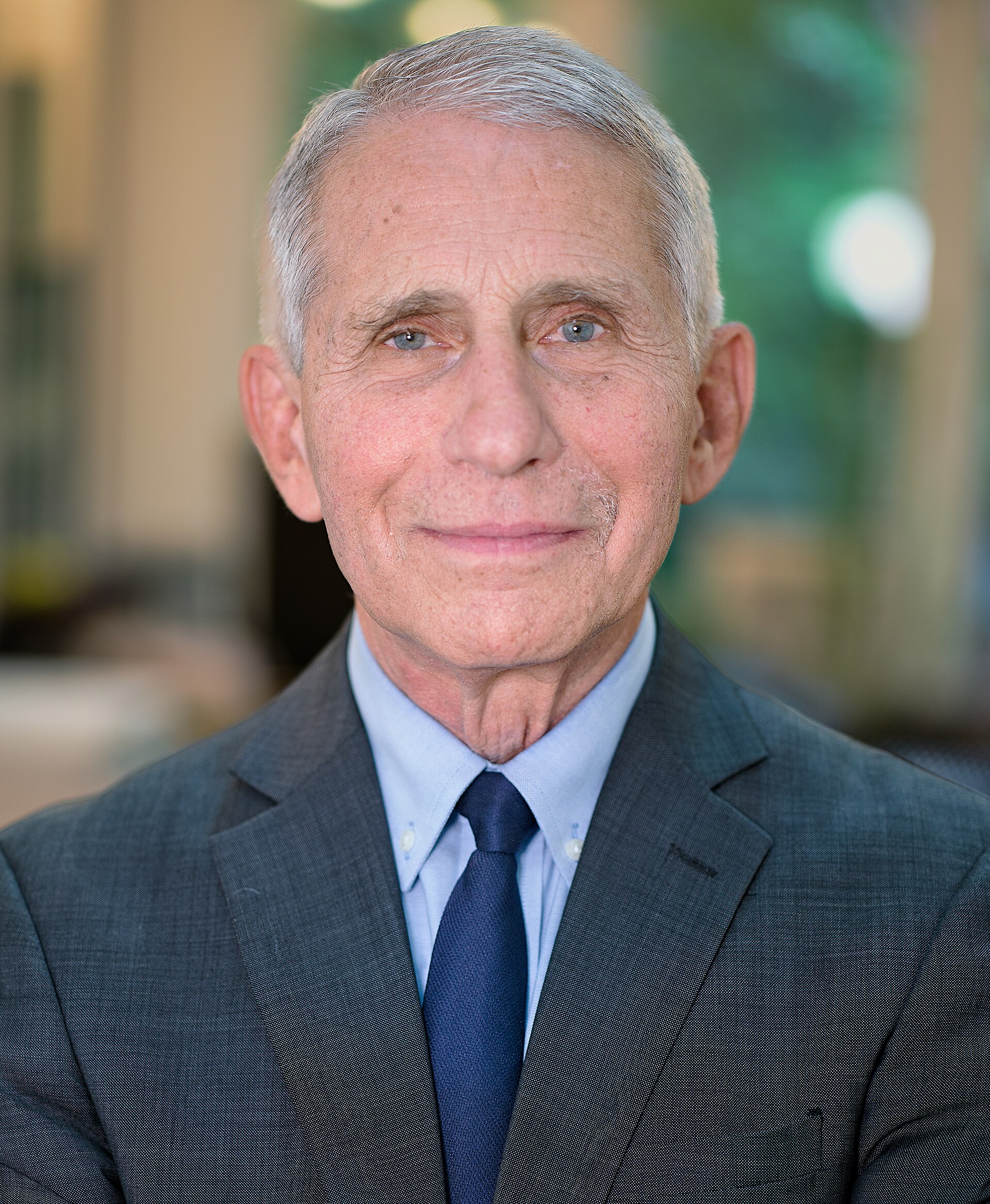
Those basic scheduling details do not explain why preparation attracted attention. CNN reported that Fauci’s team approached the hearing as a high-stakes event, with the view that there was no safer alternative.
That framing suggests the preparation went beyond conventional message discipline. In a congressional setting, a witness can be managing questions about policy, prior statements, documentary evidence, public reputation and potential legal consequences at the same time.
Why Fifth Amendment questions matter
CNN’s report centered on Fauci’s Senate strategy and Fifth Amendment considerations. The amendment protects a person from being compelled to provide testimony that could be self-incriminating, making it a legal protection rather than a routine communications choice.
Invoking or considering that protection is not, by itself, an admission of wrongdoing. But in the public setting of a congressional hearing, critics may portray it that way, turning a constitutional decision into a political flashpoint.
The competing risks are clear. A witness who answers broadly can face questions about whether an answer aligns with earlier testimony, documents or later proceedings. A witness who is cautious can be accused of avoiding scrutiny. Lawyers and advisers therefore have reason to review prior statements and committee material closely before testimony begins.
For Fauci, that balance carries added weight because of his central role in the federal response to COVID-19. His words are likely to be judged not only for factual content but also for what they may signify to supporters, critics and investigators.
The record Congress already built
The Senate session followed earlier House scrutiny. Congress.gov records show that Fauci testified on June 3, 2024, before the Select Subcommittee on the Coronavirus Pandemic, which was part of the House Committee on Oversight and Accountability.
That proceeding was connected to the broader investigation into the pandemic. The congressional record described the project as an effort to examine COVID-19, consider lessons learned—positive and negative—and improve preparation for future pandemics.
The inquiry also came with a sizable paper trail. Fauci’s testimony was considered alongside thousands of pages of documents and closed-door testimony provided to House Republicans, according to the House record.
A later hearing takes on a different character when earlier answers and records are already available. It is not clear how much new information Fauci’s Senate testimony will add beyond the House proceedings, the document production and closed-door interviews.
One witness, two public narratives
Fauci served as director of the National Institute of Allergy and Infectious Diseases from 1984 to 2022, according to the biography included with the Senate committee notice. The institute was within the National Institutes of Health and the Department of Health and Human Services.
His long tenure helps explain why he remains a focus of congressional attention. It also explains why his testimony is likely to produce sharply different readings of the same exchange.
To many Americans, Fauci represented scientific expertise during a frightening public-health emergency. Critics view him as a symbol of mandates, changing guidance and distrust of federal agencies.
Those perspectives make a hearing difficult to interpret cleanly. A response about scientific uncertainty can be heard as inconsistency. A legally guarded answer can be cast as evasive. A politically pointed answer can complicate a witness’s effort to speak as a public-health official rather than a partisan figure.
Accountability or permanent spectacle?
Supporters of the oversight effort argue that Congress has an obligation to examine decisions that affected schools, workplaces, hospitals, travel, vaccines and public trust. From that view, identifying who made key decisions and how those choices were communicated is essential accountability.
Fauci’s defenders are likely to argue that repeated hearings can turn a broad review of an unprecedented crisis into a personal prosecution of one official. Critics are likely to counter that his prominence in federal health policy makes his testimony indispensable.
Both arguments reflect a real unresolved question: whether the process will produce useful lessons or intensify existing political divisions. The pandemic involved incomplete information, rapidly changing science, federal and state decisions, private-sector pressure and widespread fear—conditions that a single hearing cannot fully resolve.
The test for future crisis oversight
The practical stakes extend beyond Fauci’s own appearance. COVID-19 hearings can clarify timelines, documents and the way officials communicated uncertainty if they remain focused on evidence and decision-making.
If the hearings instead become chiefly partisan confrontations, they may deepen distrust without improving future preparedness. The public record available so far does not establish whether senators are primarily seeking new evidence, public accountability or a record for future political fights.
Fauci’s carefully planned approach underscores how witnesses now view pandemic oversight as a legal and reputational minefield. How Congress handles that record may shape whether officials in the next public-health emergency believe they can speak candidly—or fear that every statement could later be treated as evidence in a political courtroom.
Leave a Reply