
The stalled ballroom project has become a test of who can approve major changes at the White House. At issue is not only construction, but the limits on presidential power when Congress and the courts object.
Donald Trump said on August 7, 2026, that he would ask the Supreme Court to let White House ballroom construction resume. An appeals court halted the project and ruled that Congress must authorize it, putting Trump’s plans for the White House at the center of a dispute over presidential authority and the role of Congress and federal judges.
The immediate issue is whether work on the ballroom can restart. The larger question is whether a president can order a major change to the White House without a clear legislative green light.
Trump frames halt as power fight
Trump’s response to the construction pause went beyond the practical details of a building project. He told judges, “We are not tenants … we are presidents,” arguing that elected presidents should have authority judges cannot control.
That statement captures the competing views now surrounding the ballroom. Trump’s position, as reflected in his remarks, is that voters choose a president to act decisively, including at the presidential residence.
Critics of that view would say electoral authority does not erase the constitutional checks on a president. Congress writes laws and controls appropriations, while courts decide legal disputes over whether an administration has gone beyond those limits.
The appeals court stopped work
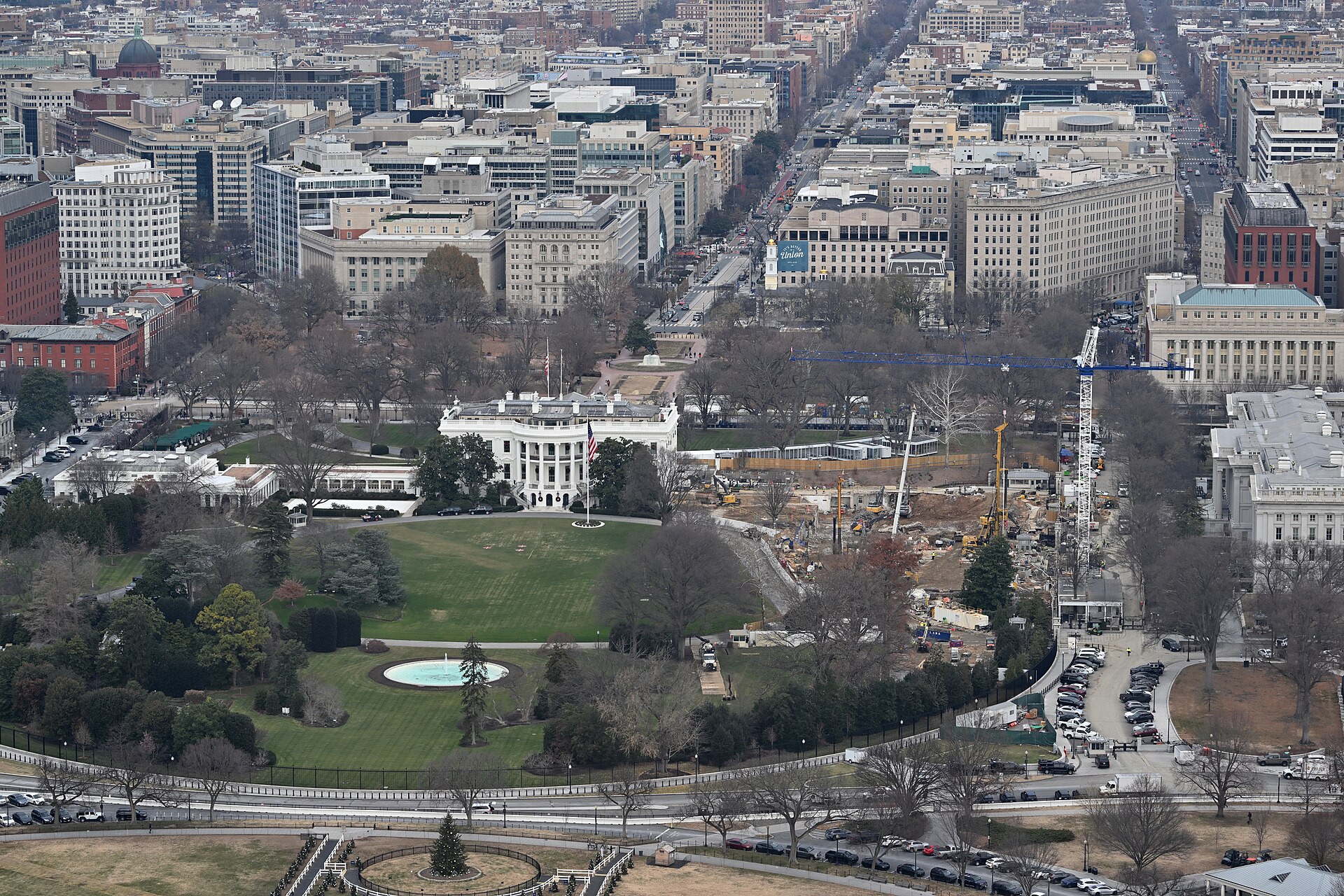
According to reporting by The Washington Post, the appeals court ordered construction to stop while the administration seeks congressional authorization. The ruling concerned the ballroom project, including the demolition of part of the mansion and the beginning of construction.
The court concluded that Trump had exceeded his authority by proceeding without Congress’s approval, the Post reported. Its order is a significant obstacle to the administration’s timetable, but it did not settle every question about the proposal permanently.
That distinction matters. The current order does not mean the ballroom can never be built; it means construction cannot move forward under the court’s current reading without authorization from Congress.
Why Congress is central
The White House is an unusually visible setting for a familiar institutional disagreement. The central question is who decides what a president may do with federal property and federal resources.
Supporters of Trump’s view may regard the court order as an overly rigid barrier to an elected executive pursuing a priority. The proposed ballroom is one of Trump’s major priorities for his term, according to the Post.
The opposing argument is that the White House’s importance does not put major alterations outside the ordinary rules governing federal action. Under that view, Congress’s authority over spending and authorization is precisely the kind of check that applies before a project moves ahead.
The case therefore turns a physical project into a broader test: Can a president treat a major White House alteration as an executive decision, or is explicit congressional approval required first?
The Supreme Court has not ruled
Trump said he would take the dispute to the Supreme Court. That is not a Supreme Court decision, and it does not establish that the justices will agree to hear the case.
Several procedural questions could come first. It remains unclear what order Trump would challenge, whether he would seek emergency relief, and whether the justices would see a reason for immediate intervention.
The Supreme Court receives many requests and selects only a small share for full review. If it does take up this dispute, the case could require the justices to examine both a president’s authority over White House changes and the degree of congressional approval needed for them.
- A ruling for Trump could allow the administration room to restart construction.
- A ruling against him, or a decision leaving the appeals court order in place, would reinforce congressional authorization as a required checkpoint.
Key details remain unresolved
Available reporting does not establish the precise terms of any future congressional action, the project’s funding path, or the full legal arguments Trump would present to the Supreme Court. Those details could substantially shape the next phase.
Congress could act while litigation continues. Because the appeals court linked the pause directly to authorization, lawmakers remain able to affect the project’s future even before a higher court weighs in.
For now, the ballroom remains on hold. Trump has made clear that he sees broad presidential discretion as essential to the office, while the appeals court has taken the opposite practical position in this case: Congress must be involved before construction proceeds.
That leaves a dispute over a White House ballroom carrying implications far beyond the building itself. It is a visible test of how the presidency, Congress and the courts can constrain one another when they disagree.
Leave a Reply