The fatal New York Harbor accident has prompted a joint Coast Guard and NYPD investigation into how the vessel was being operated. Authorities are also examining whether the trip may have been an illegal charter operation.
Captain Manuel Hernandez, 46, was arrested after a boat capsized near the Statue of Liberty at Liberty Island in New York Harbor, killing a woman and an infant. Police identified the victims as Queens resident Sara Sanchez, 27, and her 5-month-old daughter, Antonella Garcia; the case now centers on what caused the 22-foot pleasure craft to overturn and whether its operation broke federal boating rules.
Hernandez was initially charged with 13 counts of reckless endangerment, according to the New York Police Department and Coast Guard. The arrest does not establish criminal responsibility for the deaths, and investigators have not publicly said what caused the vessel to capsize.
A nighttime trip turns fatal
A 911 caller reported that the boat overturned at about 10:25 p.m. Saturday near Liberty Island, the small island that is home to the Statue of Liberty. The vessel was described by police as a 22-foot Bayliner pleasure craft.
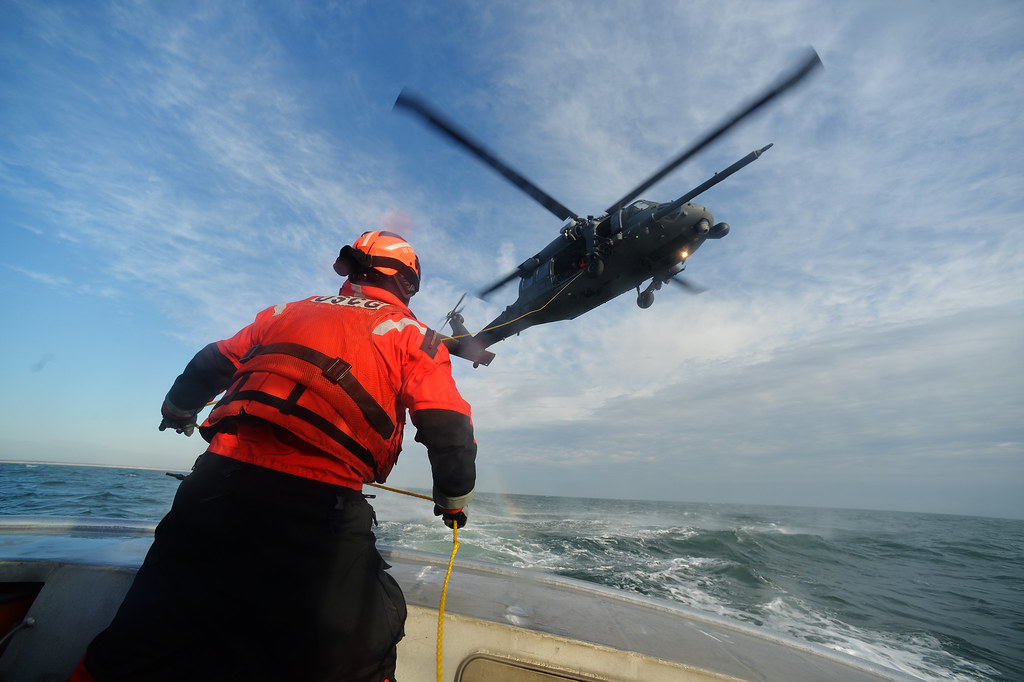
Twelve people aboard were rescued before police arrived and were taken to area hospitals with minor injuries, the NYPD said. Sanchez and her baby were recovered from the water by police divers and taken to NYU Langone Health Brooklyn in critical condition, where they were later pronounced dead.
The response involved an NYPD helicopter and the department’s Harbor Unit scuba team, officials said. The boat was towed ashore and remains in police custody.
Arrest brings federal scrutiny
Hernandez was taken into federal custody after his arrest, NBC News reported, citing the NYPD. The U.S. District Court for the Southern District of New York is expected to handle the investigation, according to the report.
Thirteen reckless-endangerment counts were initially filed. Court records were not immediately available, and it was not clear whether Hernandez had retained an attorney when the report was published.
That distinction matters: an arrest and initial charges describe prosecutors’ allegations, not a finding of guilt. Any final criminal case could depend on evidence about the boat’s condition, weather and water conditions, the operator’s actions, passenger safety equipment and the purpose of the trip.
Illegal charter question remains open
The Coast Guard said it was working with the NYPD to determine whether the operation may have been an illegal charter. Officials have not publicly described the precise arrangement for the trip or said whether passengers paid to be aboard.
That question can carry serious consequences in recreational boating. A private pleasure boat and a vessel carrying paying passengers can fall under different rules involving licensing, inspections, crew qualifications, safety equipment and authorized passenger capacity.
Authorities also have not released a public account of how many people were aboard when the craft overturned. The 13 reckless-endangerment charges suggest investigators are examining risks to surviving passengers as well as the fatal outcome, but the charging documents were not yet available to clarify the allegations.
Capacity is only one issue
Bayliner lists several 22-foot models with capacities in the range of 10 to 12 people, though the company makes different designs and the exact model involved has not been confirmed. A listed maximum capacity alone would not answer whether this particular trip complied with safety rules.
Passenger count, total weight, where people were seated, the distribution of gear, wake conditions, speed and sudden turns can all affect a small boat’s stability. Investigators will also look at whether everyone had appropriate flotation equipment and whether the craft had any mechanical or structural problem.
It would be premature to assign the capsize to any one factor. The Coast Guard called its work an active marine-casualty investigation into the circumstances and cause of the fatal incident.
Why Liberty Island complicates boating
The waters around Liberty Island are familiar to sightseers, ferry riders and recreational boaters, but New York Harbor is not a quiet inland lake. Commercial traffic, tour vessels, ferries, tides, currents and vessel wakes can create changing conditions, especially after dark.
The Statue of Liberty’s prominence can also obscure how working and heavily traveled the harbor is. Operators must navigate in a waterway shared by large ships and frequent passenger traffic while accounting for changing visibility and weather.
None of those general hazards establishes what occurred Saturday night. They do explain why federal and local authorities will likely scrutinize the full operating picture rather than treating the capsize as a simple accident with one obvious explanation.
What investigators still need to establish
For the families of Sanchez and Garcia, the investigation is now the route to answers about a sudden and devastating loss. A neighbor told NBC News that Sanchez was kind, friendly and deeply valued in her College Point community.
Publicly unanswered questions include the boat’s exact model and condition, its passenger capacity, the number of people on board, whether life jackets were available or worn, what the weather and water conditions were, and whether the trip qualified as a charter.
The Coast Guard, Coast Guard Investigative Service and NYPD are continuing their joint inquiry. Further charges, a different legal outcome or no additional action all remain possible as investigators review physical evidence, witness accounts and the vessel itself.
Leave a Reply