The trouble at one of Washington’s most visible landmarks now reaches beyond a repair job. It has put the Interior Department’s contracting, oversight and public explanations under sharper scrutiny.
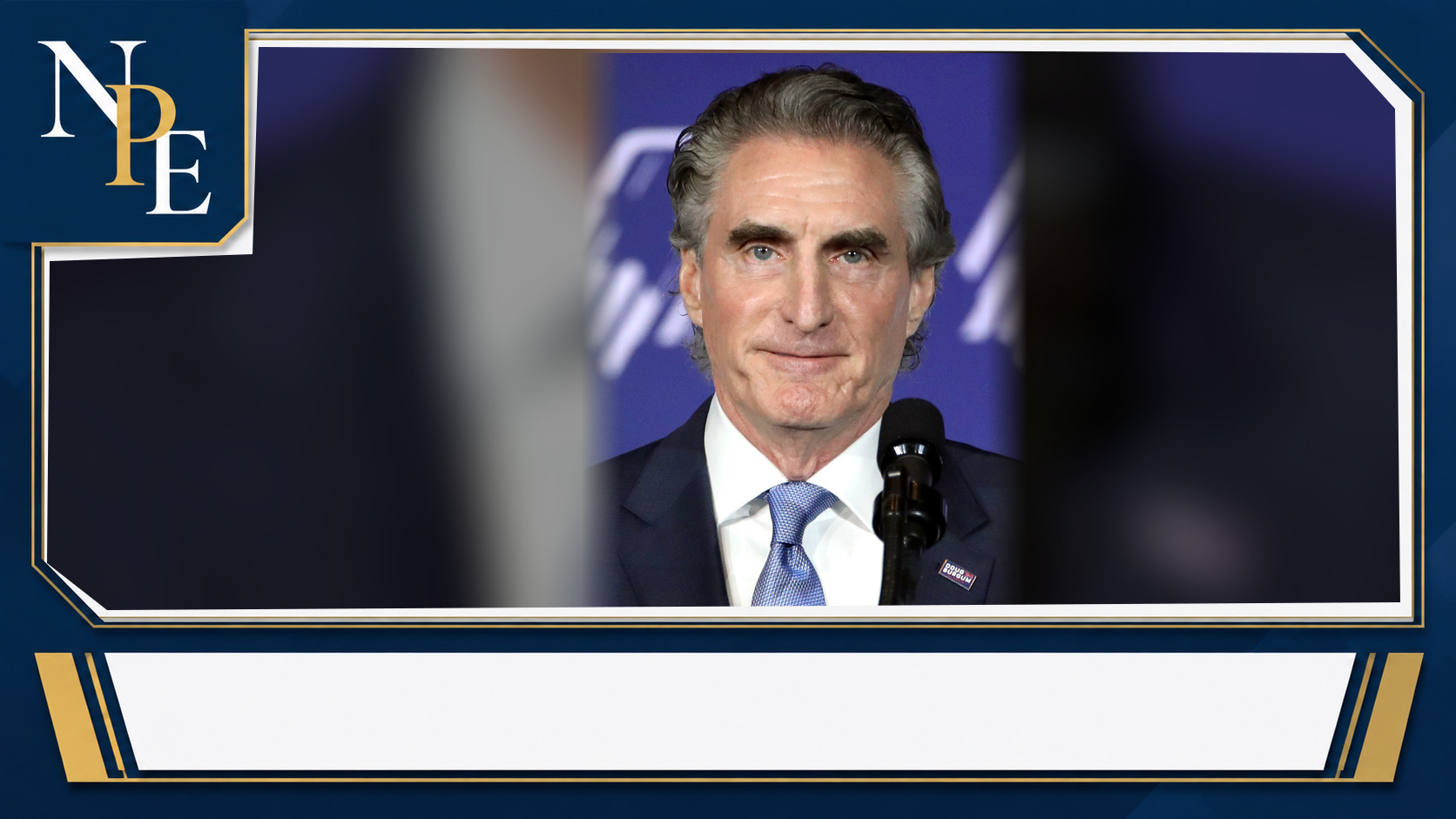
Doug Burgum is under pressure over fallout from repairs to Washington, D.C.’s Reflecting Pool, a project overseen by the U.S. Department of the Interior under President Donald Trump. Criminal allegations tied to damage at the Reflecting Pool were dropped, and officials instead attributed the problem to flawed workmanship, raising questions about management, contracting and accountability.
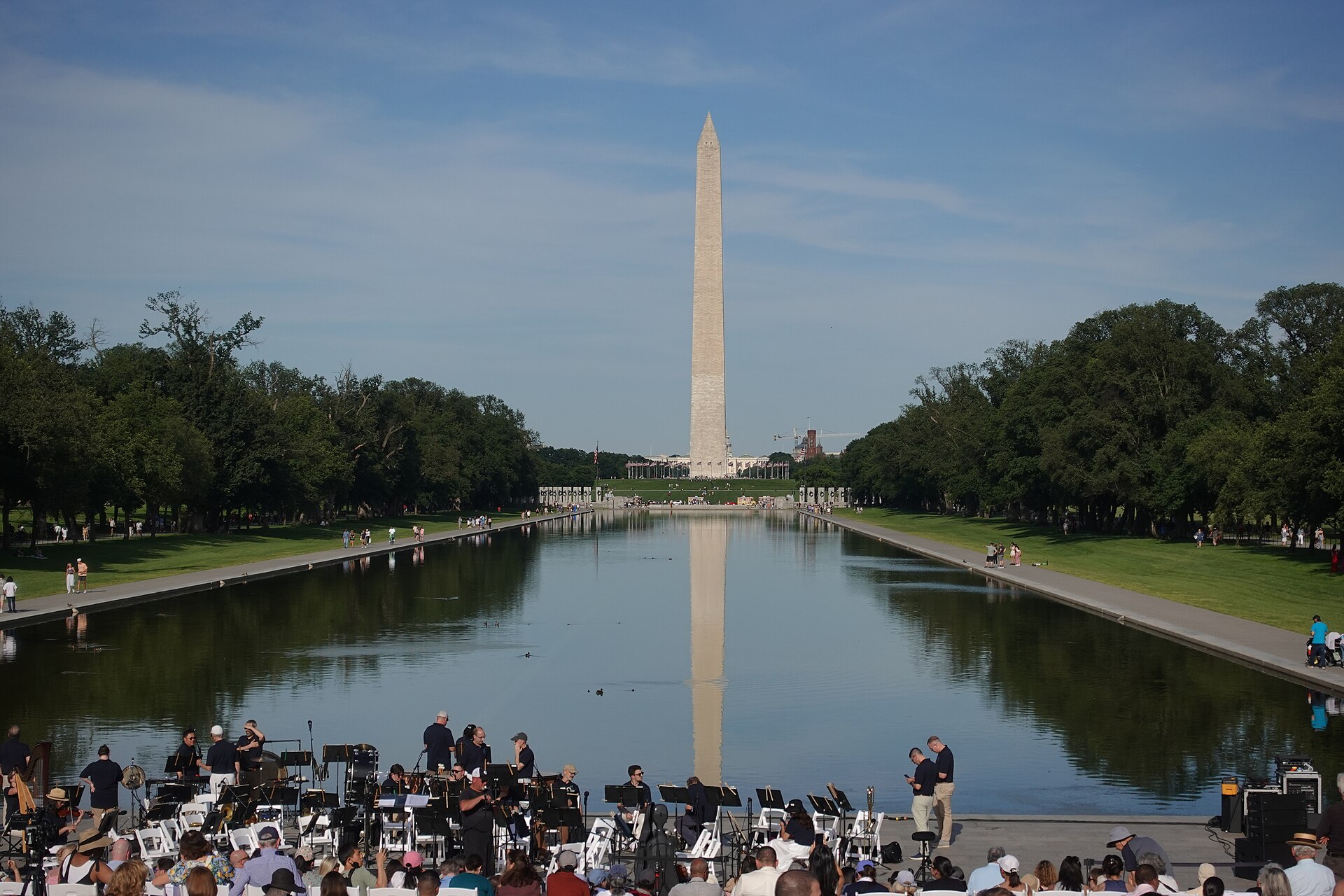
For Burgum, Trump’s Interior secretary, the episode is no longer simply about restoring a landmark beside the Lincoln Memorial. The Reflecting Pool fallout puts his handling of visible Washington improvement projects under a microscope, with the pool reportedly partially drained and awaiting another round of repairs.
From suspected sabotage to installation failure
The central shift in the dispute is the government’s explanation for damage to the pool’s liner. According to Axios, Interior officials initially said vandals had ripped up the liner, framing the problem as intentional destruction rather than a defect in the work itself.
Federal prosecutors then charged several people, including a former U.S. Olympian, in connection with the alleged vandalism. But within a month, the office led by D.C. prosecutor Jeanine Pirro dropped the charges.
The U.S. Attorney’s office attributed the damage to what it called a “botched installation.” That conclusion directly cut against the earlier sabotage account and changed the nature of the controversy.
A repair that does not hold can be a contractor problem. A claim of criminal sabotage followed by arrests, dismissed charges and a different official explanation raises more difficult questions about how the government assessed the damage in the first place.
Why the reversal matters for Burgum
Burgum’s exposure comes from his role in a larger effort to visibly improve federal spaces in Washington. Axios reported that his portfolio has included projects involving fountains as well as the East Potomac golf course, giving the former North Dakota governor an unusually public role for an Interior secretary.
The Reflecting Pool was meant to be part of that agenda: a prominent upgrade at a major National Mall site. Instead, the work became associated with peeling paint, questions about sealant and nanobubblers, and competing accounts of why the liner was damaged.
The distinction matters because each explanation points to a different source of responsibility. Sabotage would place blame on outside actors. A failed installation directs attention toward contractor performance, project planning and federal oversight.
That does not establish who approved a particular installation method or what safeguards were used before officials advanced the sabotage allegation. Those details remain unclear in the public account described by Axios. Nor is it clear whether a fuller review will explain how the case moved from vandalism allegations to dropped charges.
A public landmark amplifies mistakes
The Reflecting Pool is not an obscure federal facility where a maintenance setback can remain largely out of sight. It sits beside the Lincoln Memorial, and its condition is immediately visible to visitors, tourists and anyone seeing images from the National Mall.
That visibility makes a technical dispute easier to understand as a political one. A partially drained pool or a visibly unfinished repair can become a clear symbol of a project that has not yet delivered the improvement it promised.
The location also clashes with Trump’s public emphasis on making Washington cleaner, safer and more attractive. A highly promoted restoration effort that requires more repairs and is linked to withdrawn criminal charges complicates the administration’s message of rapid, visible progress.
For Burgum, that means the issue is not confined to the pool itself. The landmark has become a test of whether his department can execute public-facing projects while providing credible explanations when work goes wrong.
Pirro dispute deepens the episode
The fallout grew more politically charged because it reached officials in Trump’s orbit. Axios reported that Trump criticized Pirro after the charges were dropped, saying she was “folding like an umbrella.”
Days later, the New York Times reported that Pirro confronted Burgum in the Oval Office and accused him of misleading the president about the matter. That reported exchange brought a dispute over a construction problem into a conflict among senior administration figures.
The Interior Department rejected Pirro’s reported allegation. A department spokesperson told the Times that Burgum “never misled the president” and had been clear in his comments about the Reflecting Pool.
Those competing accounts leave an important divide unresolved. Pirro’s reported accusation suggests Burgum gave Trump an inaccurate picture of events. Interior’s response is that Burgum’s explanations were straightforward, despite the fact that the original sabotage theory did not hold.
Broader questions at Interior
The Reflecting Pool dispute is also being viewed alongside criticism of Burgum’s management of the Interior Department. Politico reported on departures that included the department’s Senate-confirmed legal counsel and longtime staff member Tony Irish, who criticized Burgum’s approach to career employees.
An Interior spokesperson disputed those criticisms in comments to Politico, calling Burgum’s team high-performing and saying it leads with “gratitude, humility, curiosity and courage.” The department’s defense presents the pool episode as separate from broader claims about morale and leadership.
Still, public controversies rarely stay neatly separated. Questions about contractor oversight and the handling of the sabotage allegation can reinforce existing concerns about how an agency is being managed, even when officials contest those concerns.
Axios also reported that Burgum appears to remain in Trump’s good graces. Trump gave him a poster showing a freshly painted Reflecting Pool inscribed, “To Doug – Great Job!” That support may reduce immediate political consequences, but it does not resolve the underlying questions about the repair project.
The next repair will shape the verdict
Burgum has indicated he would prefer mowing the National Mall in extreme heat to answering questions about the Reflecting Pool, Axios reported. The remark reflects how a project intended to showcase improvement has become a recurring burden.
The strongest answer will not be another argument over terminology. It will be a repair that lasts, a reopening without another dispute and a clearer explanation of what failed during the earlier work.
Until then, the Reflecting Pool remains an unusually visible measure of Burgum’s stewardship. Its repair history has made management, contracting and accountability the larger story—and left one Washington landmark carrying consequences well beyond its waterline.
Leave a Reply